

Traffic Management Solutions for Safer and More Efficient Work Sites
Roadworks, construction projects and public events can quickly affect the way people move through an area. When lanes are closed, vehicles enter and leave a worksite, or pedestrians need to share a changed route, safety and organisation become essential. The right traffic management solutions help businesses and project teams manage these changes while keeping workers, drivers and pedestrians moving safely.
For projects across Perth and Western Australia, traffic management is not simply about placing cones or signs around a work area. It involves planning, communication, trained personnel and ongoing attention to changing road conditions. A well-managed site can reduce confusion, improve traffic flow and help minimise unnecessary disruption to the community.
Why Traffic Management Matters on Busy Roads
Every roadwork or construction site creates some level of change for road users. Even a relatively small project may involve temporary lane closures, reduced speed limits, delivery vehicles, plant and equipment, pedestrians or restricted access.
Without proper planning, these changes can create confusion and increase risks around the work zone.
Professional traffic management helps create a clear separation between moving traffic and work activities. Drivers can understand where they need to go, workers can operate within a controlled area, and pedestrians can follow safer alternative routes where required.
The goal is not necessarily to prevent every delay. Instead, good planning focuses on managing the available road space effectively while giving safety priority.
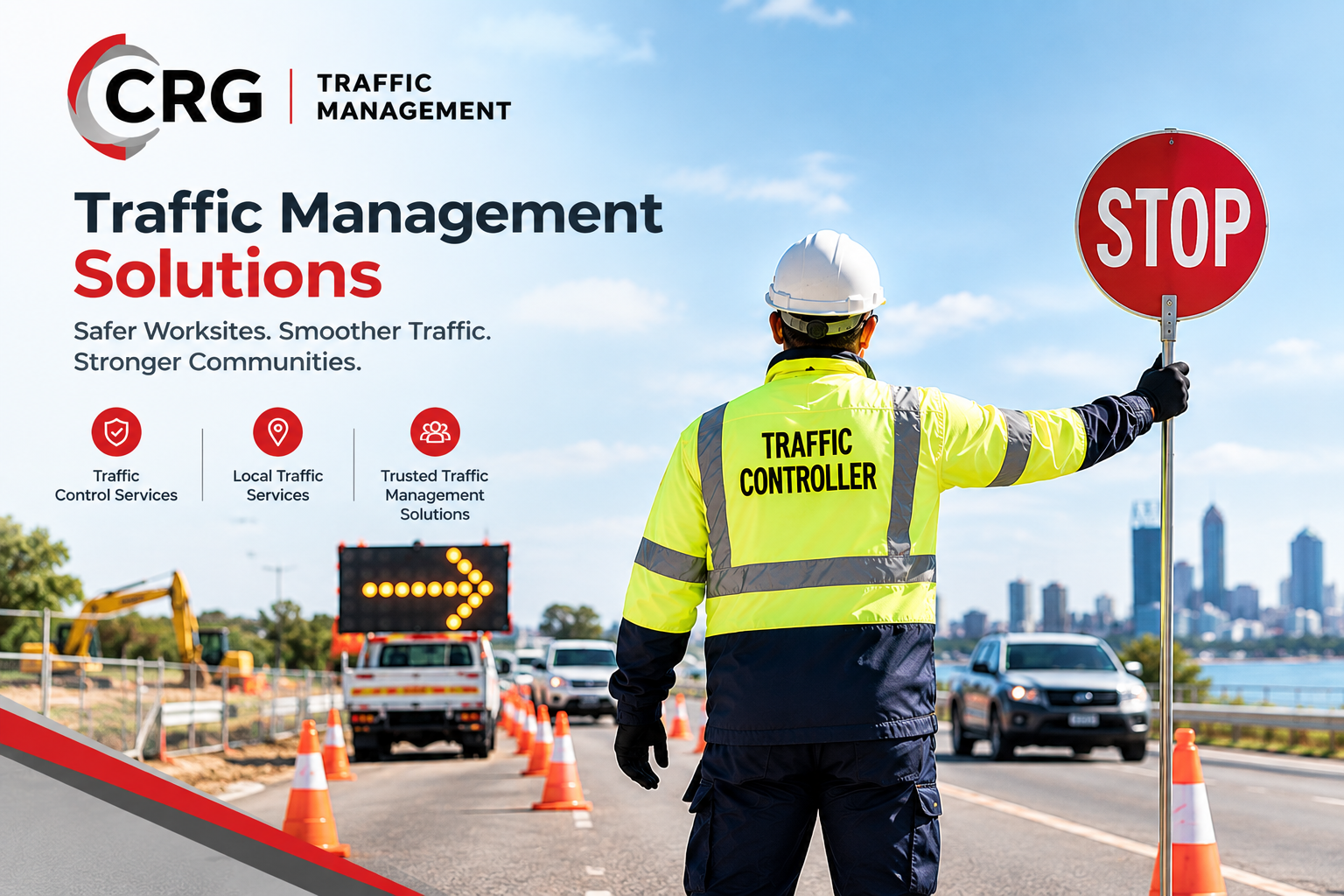
What Are Traffic Management Solutions?
Traffic management solutions are the practical systems and strategies used to manage traffic around construction sites, roadworks, infrastructure projects and events.
Depending on the project, this can include:
Traffic management planning
Temporary traffic control
Road and lane closures
Detours and traffic diversions
Signage and traffic devices
Pedestrian management
Vehicle and site access planning
Traffic controllers
Work zone monitoring
Coordination with relevant authorities
Every project has different requirements. A suburban road repair will not have the same traffic management needs as a major construction project beside a busy arterial road.
That is why the approach needs to be based on the location, traffic conditions, work activities, and expected impact on road users.
Planning Before Work Starts
Good traffic management begins before equipment arrives on site.
The planning process should consider how vehicles currently use the road, where pedestrians travel, how construction vehicles will enter and leave the site, and what changes will occur during each stage of the project.
Site conditions also need to be considered. Visibility, intersections, nearby driveways, public transport, parking, pedestrian crossings and surrounding businesses can all influence the way traffic should be managed.
A clear plan allows the project team to understand potential issues before work begins rather than trying to solve them after traffic has already been affected.
The Role of Local Traffic Services
Choosing local traffic services can be particularly valuable for projects where an understanding of the surrounding area is important.
Local knowledge can help traffic management teams recognise common traffic patterns, busy periods, nearby access points and conditions that may influence a work zone.
For example, a project close to a shopping area may experience different traffic behaviour during weekends compared with a construction site in an industrial area. Similarly, work near schools can require additional consideration during morning drop-off and afternoon pick-up periods.
Understanding the local environment allows the traffic management approach to be more practical and responsive.
Keeping Workers Safe Around Moving Traffic
Construction workers often operate only metres away from moving vehicles. Even when a work area appears straightforward, conditions can change quickly.
A vehicle may approach faster than expected, a driver may misunderstand a temporary traffic arrangement, or construction equipment may need to move across an active access point.
Traffic control helps establish a clear working environment by guiding vehicles around the site and managing interactions between road users and workers.
Appropriate signs, barriers, cones and other traffic control devices can help drivers understand what is changing ahead. Trained traffic controllers can also provide direct guidance when traffic needs to stop, slow down or move through a controlled section.
Managing Pedestrians and Cyclists
Vehicles are not the only road users affected by roadworks.
Footpaths, shared paths and pedestrian crossings can also be temporarily affected by construction activities. If people are directed into unfamiliar areas without clear guidance, they may enter unsafe spaces or come into conflict with vehicles.
Pedestrian management should therefore be considered as part of the overall traffic arrangement.
Alternative routes should be clear and easy to understand. Where pedestrian movements cross vehicle paths, appropriate controls can help reduce the risk of conflict.
Cyclists also need to be considered, particularly around major routes where temporary changes can significantly affect how they travel through the area.
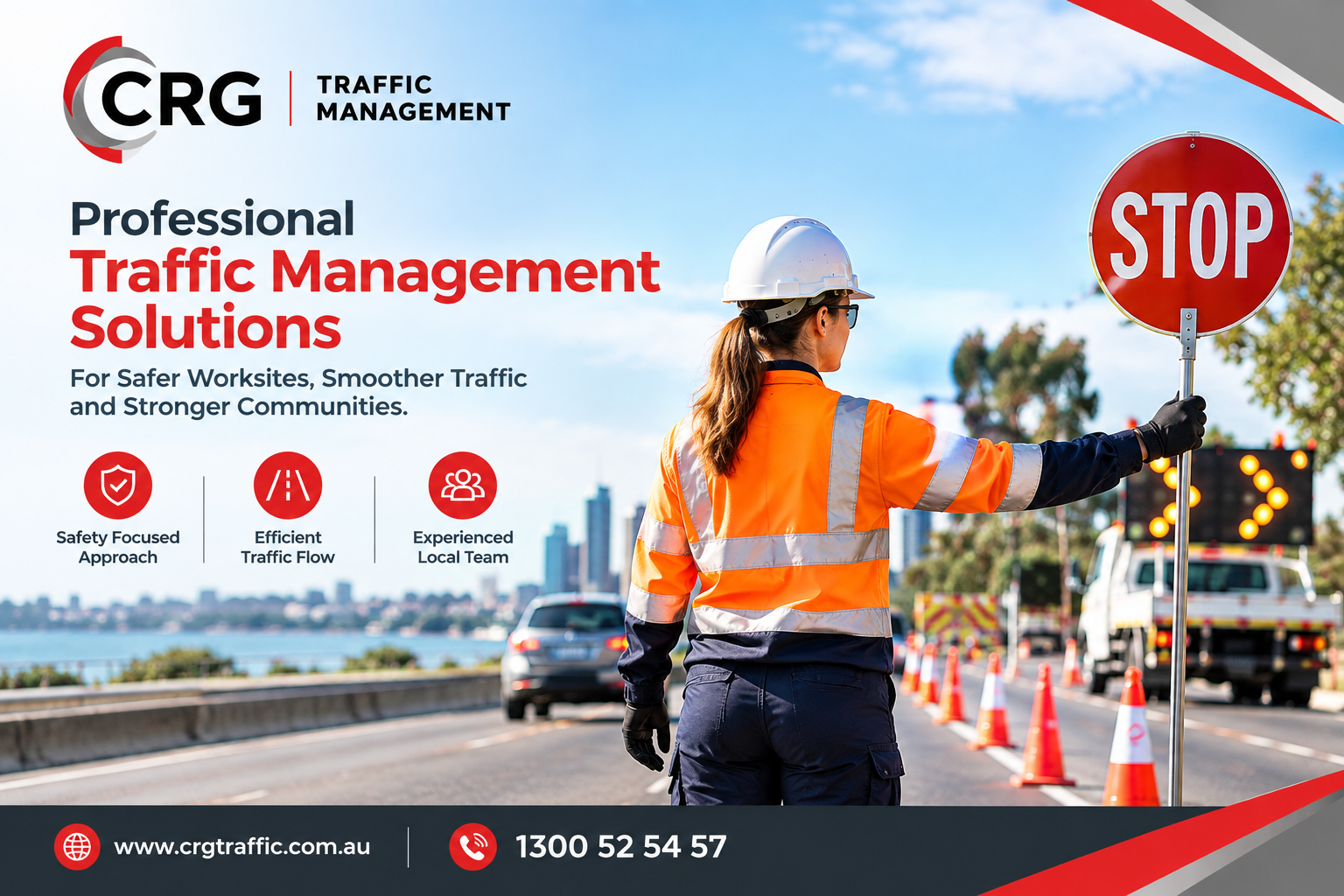
Traffic Control Services on Construction Sites
Professional traffic control services can support projects where traffic needs to be actively managed around work activities.
Traffic controllers may assist with:
Controlling vehicles around work zones
Managing temporary lane closures
Guiding vehicles entering or leaving worksites
Supporting pedestrian movements
Managing stop-and-slow operations
Responding to changing site conditions
Helping maintain a safe separation between traffic and workers
Their role becomes especially important when traffic conditions are changing throughout the day.
For larger projects, traffic control may also work alongside supervisors, construction crews, and project managers to coordinate site activities and maintain a consistent approach.
Adapting to Changing Conditions
One of the biggest mistakes in traffic management is treating a plan as something that never needs to change.
Road conditions can change throughout a project. Construction stages may move, traffic volumes can increase, weather can affect visibility, and unexpected events may influence normal traffic patterns.
A traffic arrangement that works well on one day may require adjustment later.
Regular monitoring allows potential problems to be identified earlier. If queues begin forming at a particular location or road users appear confused by a temporary arrangement, the site team can review the setup and determine whether changes are required.
This ongoing approach helps keep traffic management practical throughout the life of a project.
Minimising Disruption to the Community
Roadworks are often necessary to improve roads, utilities, buildings and public infrastructure, but disruption can still be frustrating for the community.
Good traffic management can help reduce that disruption by giving road users clear information and creating predictable movements around the work area.
Warning signs can give drivers more time to prepare. Clearly marked detours can help prevent unnecessary last-minute lane changes. Well-organised site access can also reduce conflicts between construction vehicles and public traffic.
For businesses located near construction sites, maintaining reasonable access can be particularly important. Customers, employees, suppliers and delivery vehicles still need to reach the property while work is underway.
Choosing the Right Traffic Management Approach
There is no single traffic management arrangement that suits every project.
Before choosing an approach, project teams should consider:
Project Location
A worksite beside a major road requires different planning from one on a quiet local street.
Traffic Volume
Higher traffic volumes may require more detailed planning and stronger controls to manage queues and changing traffic conditions.
Work Duration
Short-term works and long-term projects may require different approaches, particularly when traffic arrangements need to remain in place for extended periods.
Pedestrian Movement
Projects affecting footpaths, shared paths or pedestrian crossings need appropriate consideration for people travelling through the area.
Site Access
Construction vehicles need safe and practical access without creating unnecessary conflicts with public traffic.
Changing Work Stages
If the work area changes as construction progresses, the traffic management arrangement may need to change with it.
Considering these factors early can make the final arrangement more effective and easier to manage.
Why Professional Experience Makes a Difference
Traffic management involves more than knowing where to position signs and cones. It requires an understanding of how people behave around temporary road conditions and how different parts of a worksite interact.
Experienced traffic management teams can identify potential problems during the planning stage and help develop arrangements that are practical for the actual site.
For CRG Traffic Management, the focus is on providing practical support from planning through to implementation, with safety remaining central to the way traffic is managed.
Building Safer Work Zones
A successful worksite should allow construction activities to continue without creating unnecessary risks for workers or the public.
The combination of careful planning, suitable traffic control devices, trained personnel and ongoing monitoring can create a more organised environment for everyone using the area.
Whether the project involves roadworks, construction, infrastructure upgrades or an event, the right approach can make a significant difference.
Final Thoughts
Effective traffic management is about creating safer and more predictable movements around temporary work zones. From the initial site assessment to traffic control and ongoing monitoring, each part of the process contributes to a better-managed project.
For businesses and contractors working across Perth and WA, professional traffic management solutions can help manage changing road conditions, protect workers and pedestrians, and reduce unnecessary disruption to the community.
When a project requires practical planning and on-site support, experienced local traffic services and reliable traffic control services can provide the expertise needed to keep the worksite organised and traffic moving as safely as possible.