

Event Traffic Management: Planning Safer and Smoother Events
Planning a successful event involves much more than choosing a venue, arranging equipment, and welcoming guests. When hundreds or thousands of people are expected to arrive and leave at similar times, traffic and pedestrian movement can quickly become difficult to manage. This is where Event Traffic Management becomes an important part of event planning.
Whether it is a community festival, sporting event, concert, market, exhibition or large private gathering, organisers need to think about how vehicles, pedestrians, public transport and emergency access will be managed. A well-organised approach can help reduce confusion, improve safety and create a better experience for everyone attending.
For events across Perth and Western Australia, working with experienced traffic professionals can make it easier to manage these challenges before, during and after the event.
Why Traffic Management Matters at Events
Large events can change normal traffic conditions in a short period of time.
A road that normally carries regular traffic may suddenly have hundreds of vehicles looking for parking or trying to access the same venue. Pedestrians may cross roads in large groups, rideshare vehicles may stop near entrances, and event equipment may need to enter or leave the site.
Without proper planning, these movements can create congestion and safety concerns.
Event traffic management focuses on organising these different movements so that everyone knows where they should go. This can involve temporary signs, traffic controllers, barriers, parking arrangements, pedestrian routes and vehicle access controls.
The aim is to make the event easier to navigate while keeping road users, visitors, workers and event staff safer.
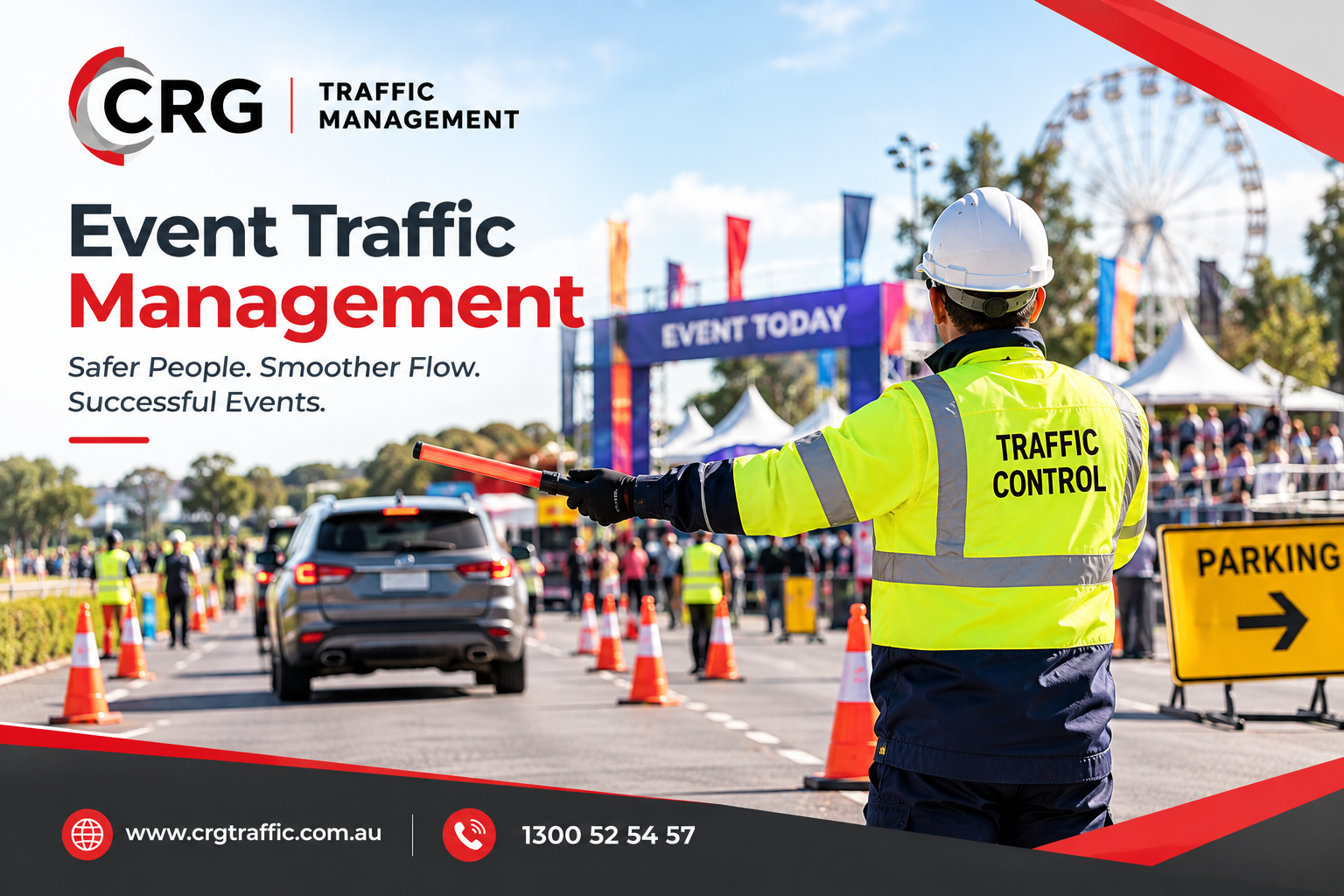
What Does Event Traffic Management Include?
The requirements will depend on the size and location of the event. A small local event may need relatively simple controls, while a major event can require detailed planning and coordination.
Common elements can include:
Temporary traffic signs
Traffic controllers
Road closures or partial closures
Vehicle entry and exit points
Pedestrian access routes
Parking and drop-off arrangements
Traffic diversions
Emergency vehicle access
Barriers and traffic control devices
Temporary changes to traffic flow
These elements should work together rather than being treated as separate tasks.
For example, creating a vehicle entrance without considering pedestrian movement can create unnecessary conflicts. Similarly, closing a road without providing clear information about alternative routes can lead to confusion for drivers.
Planning Starts Well Before the Event
Good traffic management should not be left until the day of the event.
One of the most important steps is understanding the location and identifying how people are likely to arrive. Organisers need to consider nearby roads, intersections, parking areas, public transport, pedestrian routes and surrounding businesses or residential areas.
Event times also matter.
If an event starts during an already busy traffic period, the surrounding road network may experience additional pressure. The same can happen when a large crowd leaves at the end of an event.
Planning for both arrival and departure periods helps create a more complete traffic strategy.
The Importance of an Event Traffic Management Plan
An event traffic management plan provides a structured approach to managing traffic and pedestrian movements associated with an event.
Rather than making decisions as problems occur, the plan allows organisers and traffic management teams to identify potential issues in advance.
Depending on the event, the plan may consider:
Vehicle Movements
How vehicles will enter and leave the venue, where deliveries will occur and how event staff and contractors will access the site.
Pedestrian Movements
Where people will walk, how they will cross roads and how pedestrian routes will remain separated from moving vehicles where necessary.
Parking
Where visitors, staff, contractors and event participants will park and how vehicles will enter and exit parking areas.
Road Changes
Whether temporary closures, lane restrictions, detours or other changes are required around the event.
Emergency Access
Emergency services need reliable access throughout the event. Traffic arrangements should account for this rather than allowing event activities to block important access routes.
Event Setup and Pack-Up
Traffic management should also consider the periods before and after the event when equipment, suppliers and contractors may be moving around the site.
Working With Event Traffic Management Companies
Choosing between different event traffic management companies is an important decision for event organisers.
Experience matters because every event has different requirements. A traffic management team needs to understand the venue, expected attendance, surrounding roads and likely traffic movements.
A professional provider can assist with planning and practical implementation, helping organisers identify potential problems before the event begins.
When considering a traffic management provider, it can be useful to look at their experience with similar events, their planning process, available personnel and their ability to respond to changing conditions.
Good communication is also important. Event organisers, venue managers, contractors, security teams and traffic controllers may all need to work together.
Managing Pedestrians Safely
Large crowds can be unpredictable.
People may arrive from different directions, stop to meet friends, look for entrances or cross roads without paying attention to normal traffic movements.
For this reason, pedestrian management should be part of the planning process from the beginning.
Clearly marked walking routes can make it easier for visitors to understand where they should go. Where pedestrians need to cross vehicle routes, appropriate controls can help reduce conflicts.
Traffic controllers can also provide direct guidance when large groups of people are moving through busy areas.
Managing Event Arrival and Departure
The beginning and end of an event can create very different traffic challenges.
During arrival, vehicles may be looking for parking while pedestrians are moving towards the venue. Rideshare and taxi vehicles may also be dropping passengers close to entrances.
At the end of the event, a large number of people may leave at approximately the same time.
A good traffic arrangement considers both situations.
Traffic controllers may help manage vehicle movements, direct drivers towards available routes, and assist pedestrians where traffic volumes increase.
Planning these periods can help reduce unnecessary congestion around the venue.
Why Local Experience Matters
Events are affected by their surroundings.
A venue near Perth's CBD will have different traffic conditions from a community event held in a suburban area. An event near a major sporting ground may also experience significant traffic changes when another event is taking place nearby.
This is why local knowledge can be valuable.
Traffic professionals familiar with Perth roads can consider the surrounding environment when developing practical arrangements for an event. They can also help organisers think about issues that may not be obvious during the early planning stages.
Adapting When Conditions Change
Even a well-prepared plan may need adjustments on the day.
Weather conditions, unexpected crowd numbers, road incidents, delays or changes to event activities can affect traffic movements.
Traffic controllers and event staff need to remain aware of these changes and communicate with the wider event team when adjustments are required.
The ability to respond to real-world conditions is an important part of successful event traffic management.
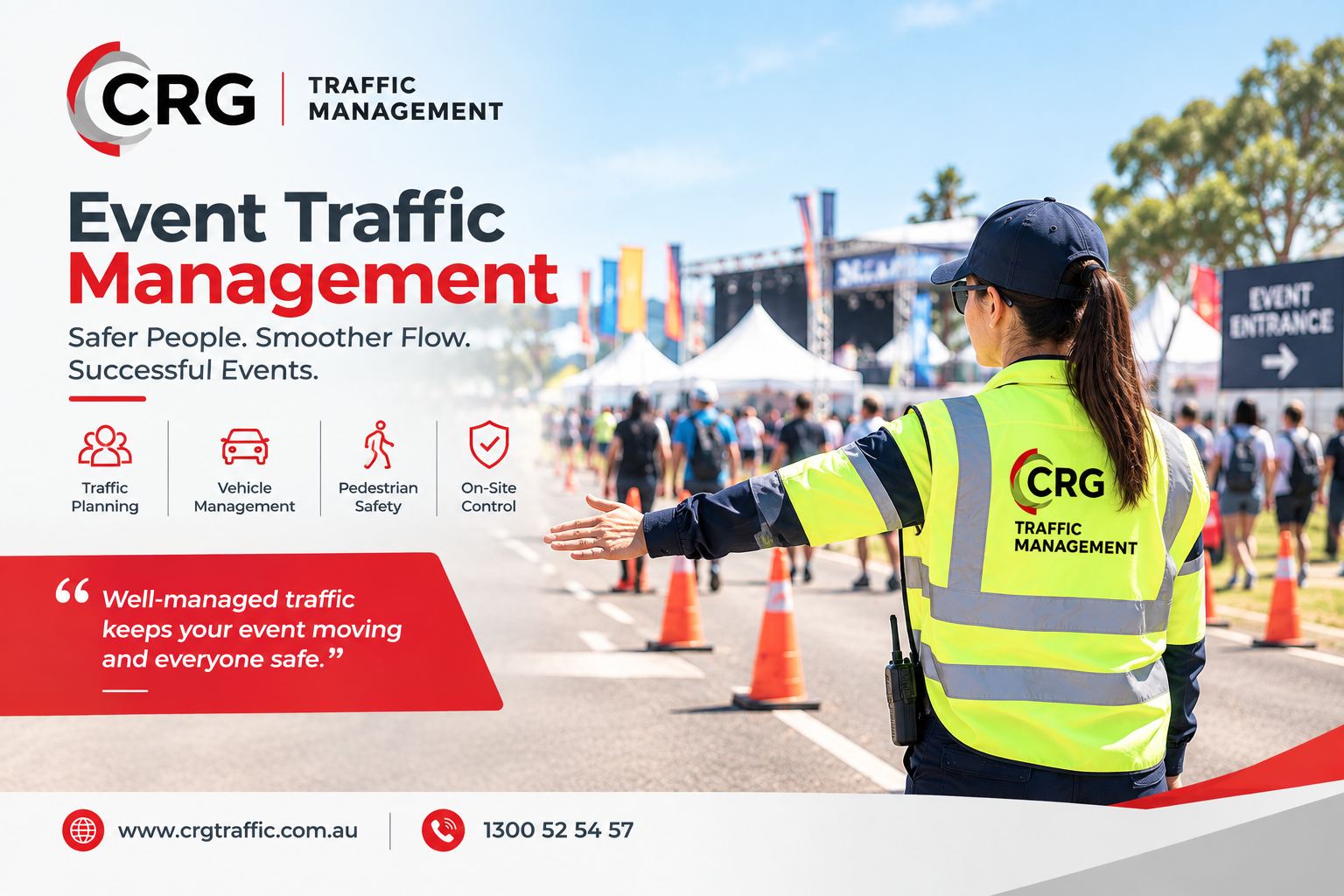
Choosing the Right Traffic Management Support
The right traffic management approach depends on the event.
Before making arrangements, organisers should consider:
Expected attendance
Venue location
Event operating hours
Nearby roads and intersections
Parking availability
Pedestrian movements
Public transport
Contractor and supplier access
Emergency access
Potential road closures or diversions
Having these details available early can make the planning process much smoother.
How CRG Traffic Management Can Support Events
CRG Traffic Management provides traffic management support designed around the requirements of individual projects and events. The focus is on creating organised traffic movements while considering the safety of workers, visitors, pedestrians and other road users.
From initial planning through to on-site traffic control, having an experienced team involved can give event organisers greater confidence that traffic movements have been properly considered.
A carefully prepared Event Traffic Management approach can also help reduce unnecessary disruption to surrounding roads and the wider community.
Final Thoughts
Traffic is an important part of any successful event, but it is often overlooked until problems appear. Planning vehicle and pedestrian movements early can make a significant difference to safety, accessibility and the overall visitor experience.
A practical event traffic management plan provides a clear framework for managing the different movements associated with an event. Working with experienced event traffic management companies can then help turn that plan into an organised on-site operation.
For Perth events of different sizes and types, thoughtful planning, clear communication and professional traffic control can help create safer and smoother conditions from the first vehicle arrival to the final departure.