

Fremantle Traffic Bridge Closure 2026: What Drivers, Businesses and Pedestrians Need to Know
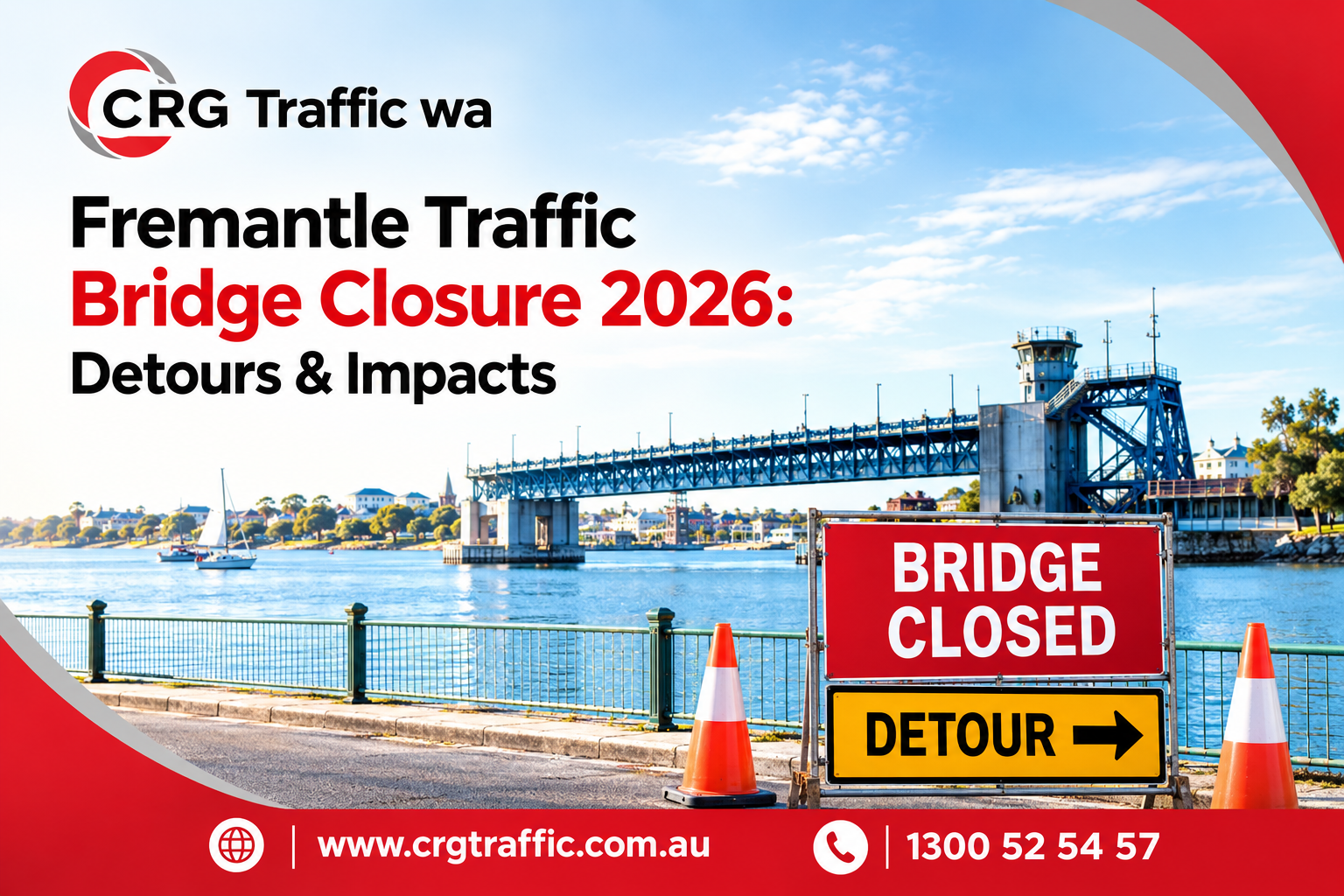
If you drive, walk or cycle through North Fremantle, you've already felt the impact of the Fremantle Traffic Bridge closure. Since 1 February 2026, the historic bridge has been shut to enable construction of a brand-new river crossing over the Derbarl Yerrigan (Swan River) — and it's set to stay closed for around 12 months while piling and major works continue.
For a city that relies on just a handful of river crossings to keep traffic flowing between Fremantle, North Fremantle and the wider metro area, a closure of this scale is a serious test of traffic management in Perth. Here's what's happening, how it's affecting the local area, and how experienced traffic management keeps a project like this from grinding the city to a halt.
Why the Bridge Is Closed
The current Fremantle Traffic Bridge is being replaced with a new river crossing as part of a broader upgrade to the precinct's transport infrastructure. Construction requires the existing bridge to close completely rather than remain open in a reduced capacity, since the new structure is being built in proximity to the old one. Piling works are already complete, and construction is progressing toward the next stages of the build.
This sits alongside a wave of other major infrastructure work happening across Perth right now, including the Reid Highway Interchanges project and ongoing Metronet works — all part of a broader effort to modernise WA's transport network while trying to minimise disruption to commuters.
Who's Affected
Commuters travelling between Fremantle and North Fremantle now need to use alternative crossings, adding time to daily trips and increasing pressure on nearby routes during peak hours.
Local businesses in North Fremantle and along the approach roads are navigating reduced passing traffic and need clear signage to maintain customer access throughout the closure.
Pedestrians and cyclists who previously used the bridge as a river crossing need safe, well-signed alternative paths — particularly important given Fremantle's high foot and bike traffic.
Freight and delivery vehicles need reliable detour routes that avoid unnecessary delays, especially for time-sensitive deliveries into the port and CBD areas.
Managing a Closure of This Scale
A 12-month full closure on a key river crossing isn't just a signage job — it's a coordinated traffic management exercise that has to balance safety, efficiency and public communication over a long period. This is where the fundamentals of professional traffic management make the difference:
1. A clear Traffic Guidance Scheme (TGS). Every detour, lane change and pedestrian diversion around a closure like this needs to be mapped out in a formal Traffic Guidance Scheme, built in line with AS 1742.3 and Main Roads WA's requirements. A well-designed TGS isn't just about compliance — it directly reduces confusion and near-misses at the point where drivers first meet the diversion.
2. Ongoing monitoring, not a set-and-forget plan. Traffic patterns around a 12-month closure shift over time — school terms start and end, events come and go, and drivers gradually find their own shortcuts. Effective traffic management means regularly reviewing how the detour is performing and adjusting signage, timing, or barrier placement as real-world conditions change.
3. Proactive communication with the community. Long closures succeed or fail on how well affected residents, businesses and commuters are kept informed. Clear advance signage, updated mapping, and coordination with local councils and Main Roads WA all reduce the frustration that comes with extended disruption.
4. Protecting vulnerable road users. With foot and cycle traffic rerouted, pedestrian and cyclist safety has to be built into the plan from day one — not bolted on afterwards. This includes clearly marked alternative paths, adequate lighting, and barriers that physically separate pedestrians from vehicle detour routes.
What This Means If You're Planning a Project Near the Closure
If your business, development or event sits anywhere near the affected North Fremantle and Fremantle corridors, it's worth reviewing your own site access and delivery logistics now rather than waiting for a scheduling clash. A properly planned construction traffic management plan can account for the extra congestion on alternative routes and help you avoid costly delays.
The Bigger Picture
The Fremantle Traffic Bridge closure is one of several major projects reshaping how Perth moves right now, alongside Metronet's ongoing rail extensions and freeway upgrades across the metro area. As WA's infrastructure pipeline continues to grow, closures and detours of this scale are likely to become more common rather than less — which makes experienced, proactive traffic management more important than ever for keeping the city moving safely.
Need Traffic Management for a Project Near the Closure?
Whether you're planning construction, an event, or need a compliant Traffic Guidance Scheme for a site near the affected area, our team can help you navigate the current disruption without unnecessary delays.