

Roadworks, construction projects, utility upgrades and infrastructure development all have one thing in common: they can change the way people move through a road environment. A closed lane, temporary access point, construction vehicle or redirected footpath can quickly affect drivers, pedestrians, cyclists and workers.
This is where effective traffic management becomes important. It is not simply about putting cones around a work area or having someone direct vehicles. It is about understanding the site, identifying potential risks and creating a temporary arrangement that allows work to continue while road users can navigate the area with clear instructions.
For contractors and project managers, the right traffic management solutions can help reduce confusion, support worksite safety and minimise unnecessary disruption. In Western Australia, Main Roads WA's March 2026 Code of Practice sets requirements for managing traffic at work sites on roads and states that traffic management must be based on the Austroads Guide to Temporary Traffic Management and AS 1742.3-2019 unless a WA-specific requirement takes precedence.
What Is Traffic Management?
Traffic management is the planning and control of vehicle, pedestrian and other road-user movements around temporary or changing road conditions.
A worksite can create many different challenges. Traffic lanes may need to be reduced, construction vehicles may need controlled access, pedestrians may need an alternative route, or temporary speed restrictions may be introduced.
The purpose of traffic management is to make these changes easier for road users to understand while providing workers with an organised environment.
Good traffic management begins before work starts. A site needs to be assessed, potential conflicts identified and suitable controls selected based on the actual conditions.
This approach is important because no two worksites are exactly alike. A small residential road, busy commercial street and major arterial route may require completely different arrangements.
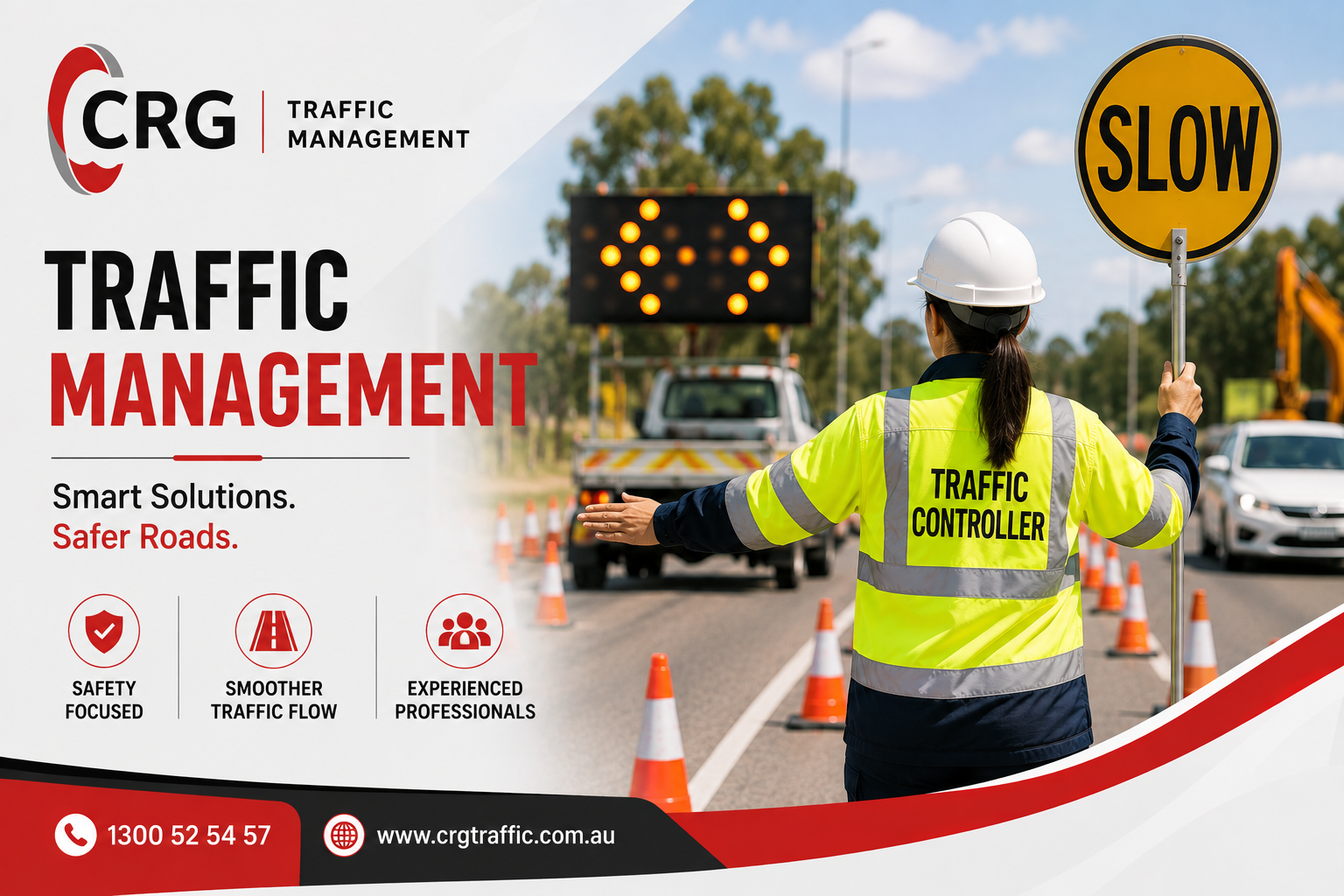
Why Effective Traffic Management Matters
Imagine approaching a roadwork site where signs are unclear, traffic lanes suddenly change and there is no obvious indication of where you should go. Even a confident driver may hesitate.
Now imagine the same site with clear warning, visible traffic control devices and an easy-to-follow temporary route.
The difference is planning.
Effective traffic management helps create predictability. Drivers know what to expect, pedestrians understand where they should travel, and workers have a clearer separation from moving traffic.
Main Roads WA describes temporary traffic management as a high-risk activity and highlights the importance of safety, quality and consistency when traffic management is implemented on State roads. It also notes that incorrect traffic management can increase congestion as well as create risks for road users and road workers.
Key Elements of Good Traffic Management
A successful traffic management arrangement is usually made up of several connected elements rather than one individual measure.
Site Assessment
The first step is understanding the location.
A professional assessment can consider road width, traffic volumes, speed environment, intersections, pedestrian movements, nearby businesses, property access and the position of the work area.
These details help determine what type of temporary arrangement is appropriate.
Traffic Management Planning
Planning turns site information into a practical system.
Main Roads WA provides Traffic Management Plan templates and examples for different types of work. Its current TMP template was reviewed on 20 April 2026.
A plan may address traffic movements, pedestrian access, lane closures, traffic control devices, worksite access, staging and other relevant conditions.
Traffic Control Personnel
People remain an important part of many traffic management arrangements.
Traffic controllers can communicate directly with road users, coordinate vehicle movements and help manage changing conditions around a worksite.
Their role becomes particularly useful when normal traffic movements have been temporarily changed.
Signs and Traffic Control Devices
Temporary signs, cones, barriers, delineation devices and portable traffic signals can help communicate the temporary road layout.
The equipment needs to be suitable, visible and positioned correctly.
Simply having signs available is not enough. Their location and relationship to the work area are equally important.
Choosing the Right Traffic Management Solutions
Not every project needs the same solution.
One of the biggest mistakes a project team can make is selecting a standard arrangement without considering the actual conditions at the site.
Effective traffic management solutions should reflect the project's size, duration, road environment and expected traffic movements.
For example, a short-term utility repair may require a relatively simple setup, while a major road upgrade could require staged traffic arrangements, multiple traffic controllers, temporary signals and detailed planning.
The right solution should also consider what happens beyond the immediate work area.
If a lane closure creates a queue, where will that queue extend? Could it affect an intersection? Will nearby businesses still have access? Can pedestrians safely reach the other side of the road?
These questions can help identify potential problems before work begins.
Traffic Management for Construction Projects
Construction sites frequently interact with public roads.
Heavy vehicles may need to enter and leave the site, materials may be delivered throughout the day and workers may operate close to moving traffic.
Without suitable controls, these movements can create unnecessary conflicts.
A properly planned arrangement can establish clear access points and define how construction vehicles interact with passing traffic.
Traffic management should also consider different stages of construction.
As excavation finishes and new work begins, the work zone may move. Traffic lanes may change. Access arrangements may need to be adjusted.
This means traffic management should be reviewed as the project develops rather than treated as something that is completed once and forgotten.
Managing Pedestrians and Cyclists
Vehicles are only one part of the road environment.
Construction can affect footpaths, shared paths and cycling routes. A temporary closure can force people to change their normal journey, so alternative arrangements need to be understandable.
This is especially important around shopping areas, schools, public transport facilities and busy pedestrian routes.
A good traffic management arrangement considers how people actually move through the area.
A sign alone may not be enough if the alternative route is difficult to understand or access.
Main Roads WA's traffic management framework applies not only to motorists but also to other road users and includes work affecting footpaths, shared paths and bicycle paths.
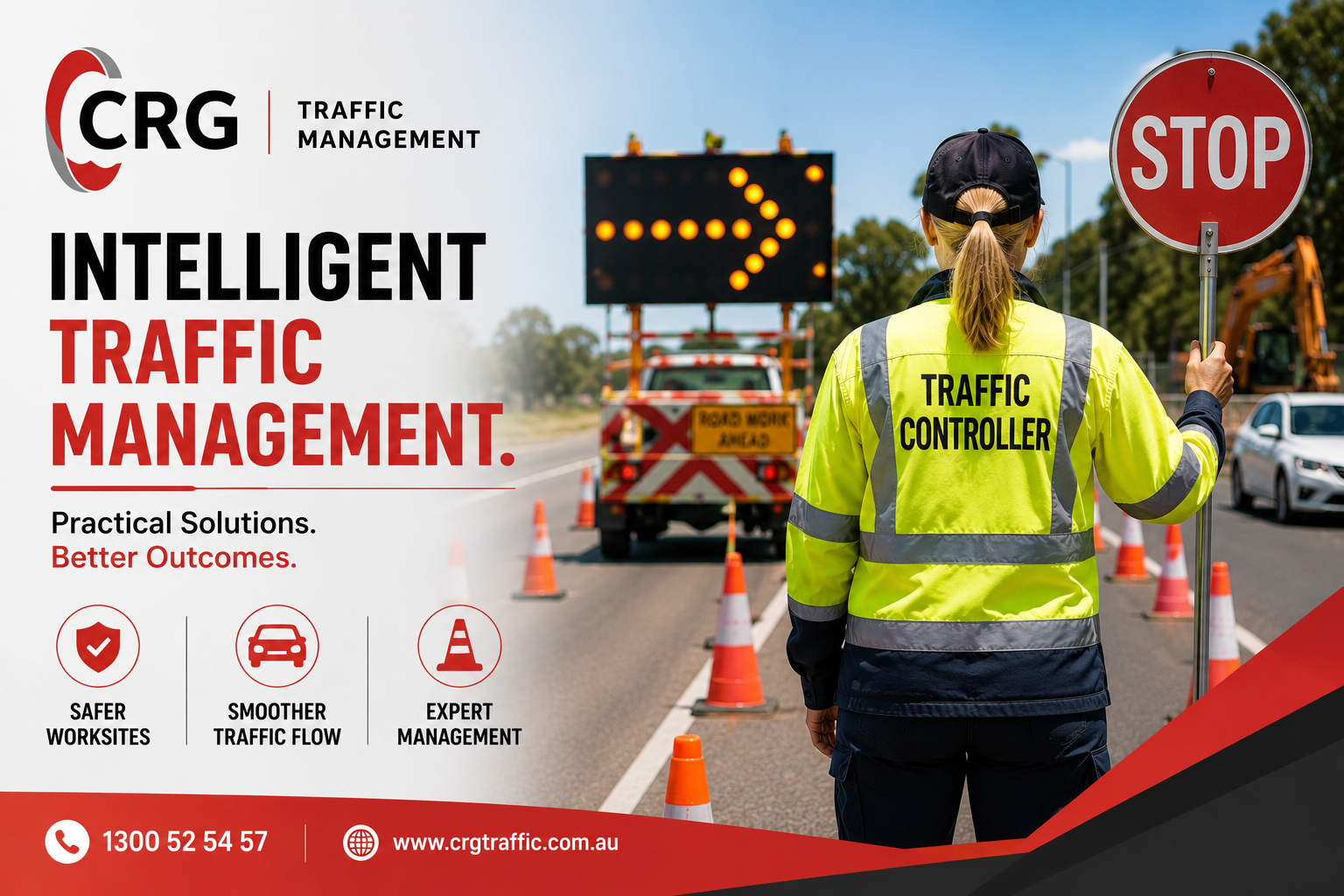
Traffic Management and Changing Road Conditions
Road conditions can change throughout the day.
Morning traffic may be light while afternoon traffic becomes much heavier. A construction vehicle may arrive unexpectedly, weather may affect visibility or a queue may develop faster than anticipated.
This is why monitoring is an important part of professional traffic management.
A setup that works well at one time may require attention when circumstances change.
Traffic management personnel should remain aware of the surrounding environment and communicate with the site team when conditions require an adjustment.
The aim is to keep the temporary arrangement working as intended rather than simply following a setup regardless of what is happening around it.
The Role of Technology in Traffic Management
Technology is becoming increasingly useful in temporary traffic management.
Portable traffic signals, electronic message boards and other systems can provide additional ways to manage traffic movements.
Main Roads WA currently lists approved innovative temporary traffic management products, including portable temporary traffic signal systems.
However, technology should support good planning rather than replace it.
A portable signal still needs to be appropriately positioned and integrated into the wider traffic arrangement.
The best results come from combining suitable technology with experienced people who understand the site.
Compliance and Current WA Requirements
Traffic management requirements can change, so relying on outdated information can create problems.
Main Roads WA's current framework includes the Traffic Management for Works on Roads Code of Practice, while Specification 202 Traffic Management was updated on 6 February 2026 and outlines minimum requirements for establishing, implementing and managing a Traffic Management Plan for applicable contracted work.
Main Roads WA also states that companies providing traffic management services on State roads may need to meet its Traffic Management Company Registration Scheme requirements. Registration applies to companies implementing temporary traffic management on State roads where the traffic management requires a closure or speed restriction.
For contractors, this makes it important to work with providers who understand the requirements relevant to their particular project.
How Professional Traffic Management Can Reduce Disruption
Roadworks will sometimes cause delays. That is unavoidable when part of a road is occupied by construction.
The objective is to manage those delays rather than pretend they do not exist.
Good planning can help identify periods when traffic is likely to be busiest and determine how work should be staged. Clear communication can help drivers understand temporary changes before reaching the work area.
Small improvements can have a noticeable impact.
A clearly marked route can reduce hesitation. Better site access can prevent construction vehicles from blocking through traffic. Appropriate pedestrian arrangements can reduce unsafe movements around the work area.
These are practical examples of how traffic management solutions can support both safety and efficiency.
Selecting a Traffic Management Provider
Choosing a provider should involve more than comparing prices.
Look at the company's experience with similar projects and its understanding of the local road environment. Ask how the team approaches site assessment, planning, implementation and communication.
It is also useful to consider whether the provider can supply the personnel and equipment required for the entire project.
A good provider should understand that traffic management is connected to the construction schedule.
When the work changes, the traffic arrangement may need to change too.
Choosing a team that can communicate effectively with contractors and respond to changing site conditions can make the overall project easier to manage.
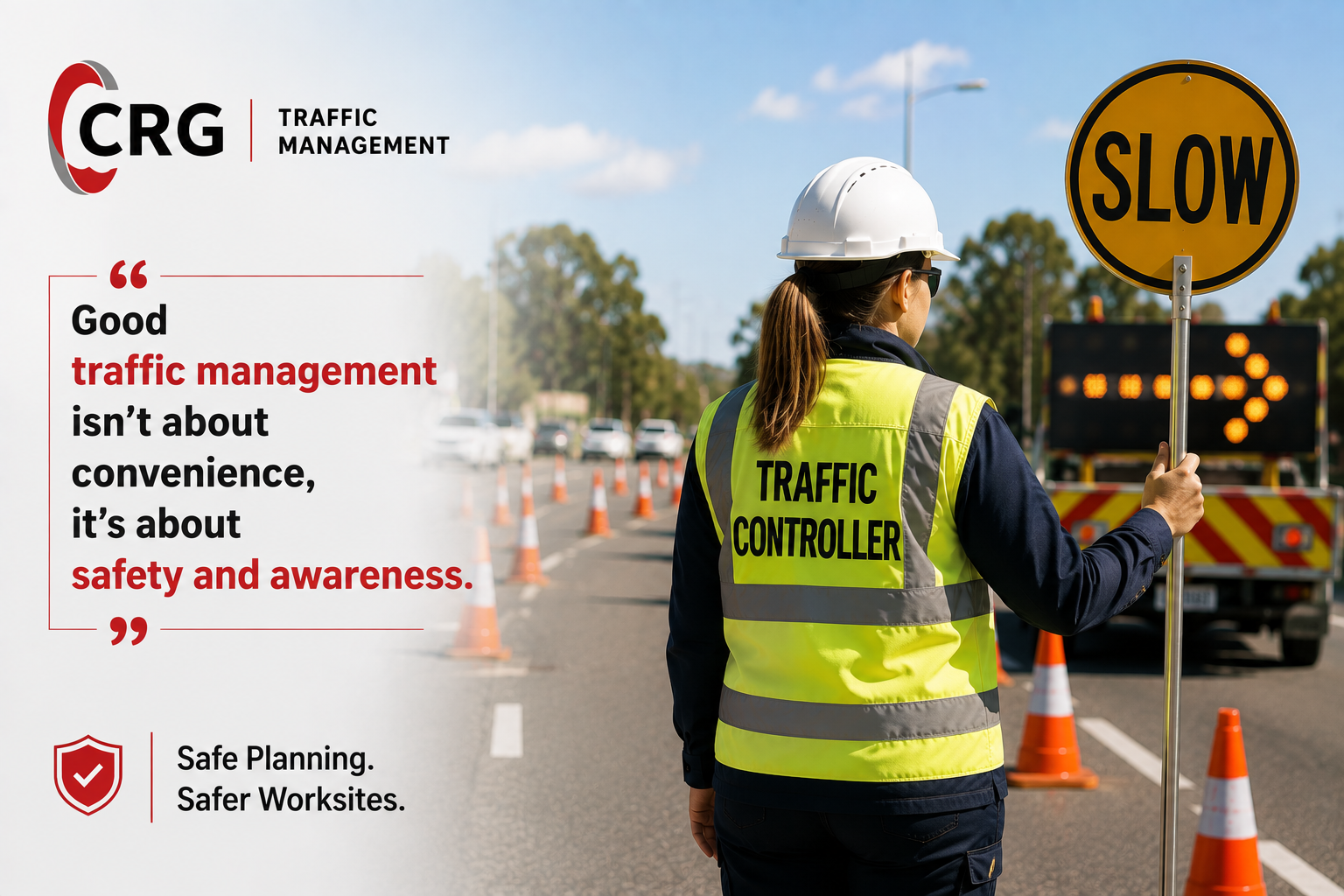
Why CRG Traffic Management?
For Perth businesses and contractors, CRG Traffic Management provides practical traffic management support designed around individual project requirements.
Every worksite has its own challenges, so the focus should be on developing an arrangement that fits the location rather than applying a one-size-fits-all approach.
From planning and traffic control personnel to temporary traffic arrangements, the right combination of services can help create a more organised work environment.
The goal is straightforward: help workers operate safely while giving road users clear and predictable directions around the work area.
Conclusion
Effective traffic management is an essential part of roadworks, construction and infrastructure projects. It brings together planning, people, equipment and communication to create a temporary road environment that is easier and safer to navigate.
The right traffic management solutions depend on the individual project. Site conditions, traffic volumes, pedestrians, construction activities and road authority requirements all need to be considered before work begins.
With current WA requirements continuing to evolve, contractors should also make sure their traffic management arrangements are based on the latest applicable guidance and approvals.
When the right plan is combined with experienced personnel and suitable equipment, traffic management becomes more than a collection of signs and cones. It becomes a practical system that helps projects move forward while keeping road users and workers at the centre of the planning.