

When people think about roadwork safety, they often picture traffic cones, warning signs and flashing lights. These are important, but they are only part of the picture. Behind every well-organised work zone, there are people watching traffic patterns, communicating with workers and responding to situations as they develop.
This is where Traffic Control Personnel make a real difference. Their role is not simply to stop vehicles or allow them through. They help create order in an environment where normal road behaviour has temporarily changed. When construction vehicles, workers, pedestrians and motorists all operate within the same area, having trained people managing those interactions can make the worksite considerably easier to navigate.
Why Human Judgement Still Matters
Modern traffic management has access to better signs, portable signals and other technology than ever before. Yet roads are unpredictable. A driver may hesitate at a temporary lane change, a delivery vehicle may arrive unexpectedly, or a queue may develop faster than anticipated.
Technology can provide instructions, but people can interpret what is happening.
A trained traffic controller can notice that a driver has not understood an instruction, recognise that vehicles are beginning to back up and communicate with workers when site conditions change. That human awareness is particularly valuable in busy or constantly changing work environments.
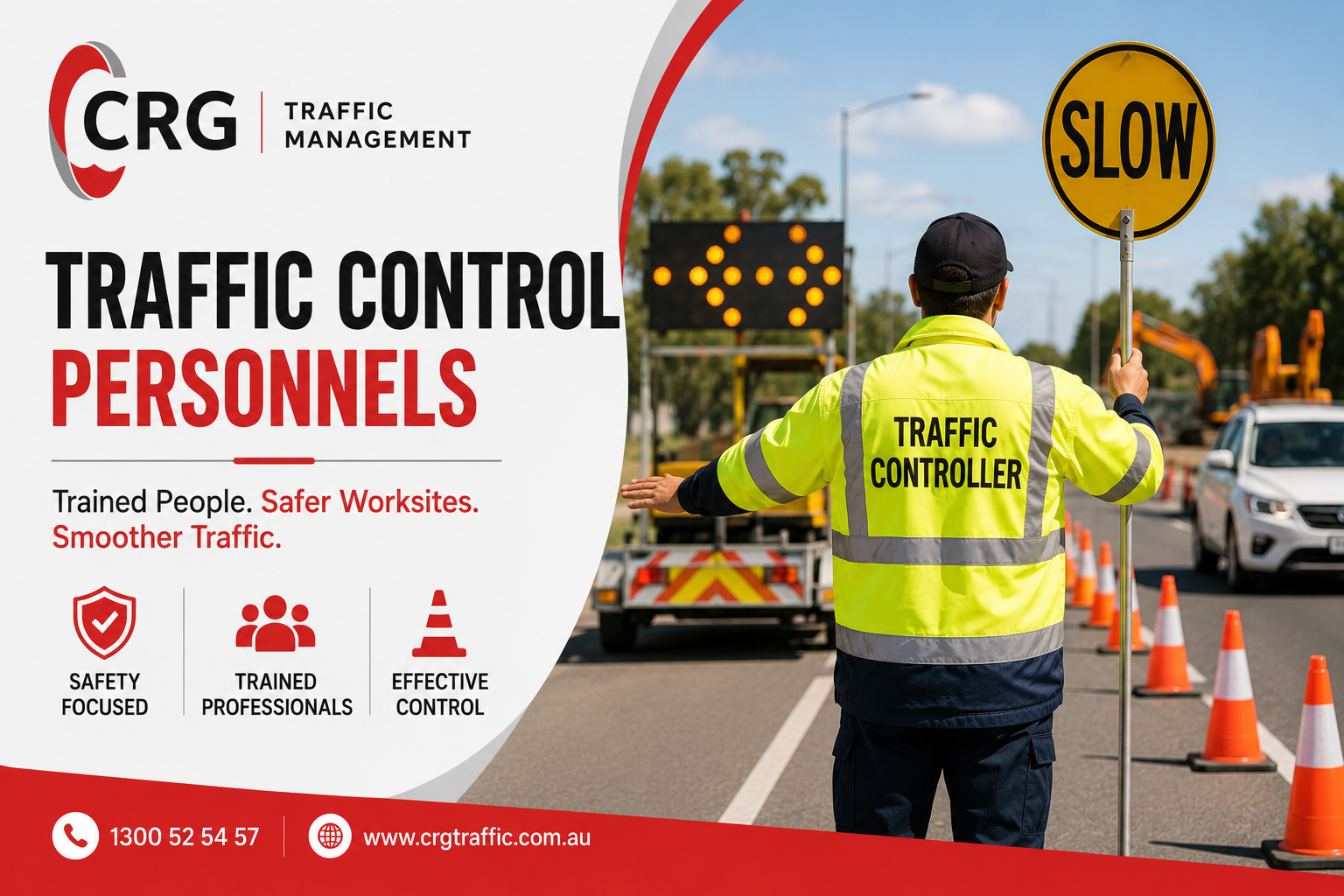
Traffic Controllers Are More Than Roadside Workers
The work can look simple from a distance, but a traffic controller needs to stay focused on several things at once.
They may need to monitor:
Approaching vehicles
Pedestrian movements
Construction vehicles
Worksite access
Changing traffic conditions
Temporary signs and devices
Communication with other workers
This requires concentration and awareness throughout the shift.
A good controller is effectively another set of eyes for the worksite. They help identify developing situations before those situations become bigger problems.
The Importance of Reading Driver Behaviour
Not every driver reacts to roadworks in the same way.
Some motorists slow down early. Others may not notice a temporary sign until they are close to the work zone. A driver unfamiliar with the area may hesitate when lanes suddenly change.
Qualified traffic controllers need to understand these behaviours and communicate accordingly.
Clear, confident instructions can remove uncertainty. When motorists know what is expected, they are more likely to respond smoothly.
This is especially important where temporary arrangements are unfamiliar or where traffic is moving through a narrow work area.
When Traffic Conditions Suddenly Change
One of the biggest differences between a quiet worksite and a busy one is how quickly conditions can change.
A road may be operating smoothly in the morning, then become significantly busier later in the day. A construction vehicle may need access at a particular time. A temporary lane may become congested.
This is where having experienced Traffic Control Personnel on site can be valuable.
They can remain alert to what is happening instead of relying entirely on what was expected during the original planning stage.
Good traffic management should always have a plan, but experienced personnel understand that real roads do not always behave exactly like a drawing.
Communication Between Workers and Traffic Controllers
Traffic control works best when the traffic management team and construction crew communicate properly.
Imagine a work area that needs to expand by several metres. If the construction team moves equipment without considering the existing traffic arrangement, the original setup may no longer provide the intended separation.
Communication helps prevent this type of problem.
Traffic controllers should know what is happening around them, while site supervisors and workers should understand the traffic controls that are in place.
This simple connection between teams can prevent confusion and help keep everyone working from the same plan.
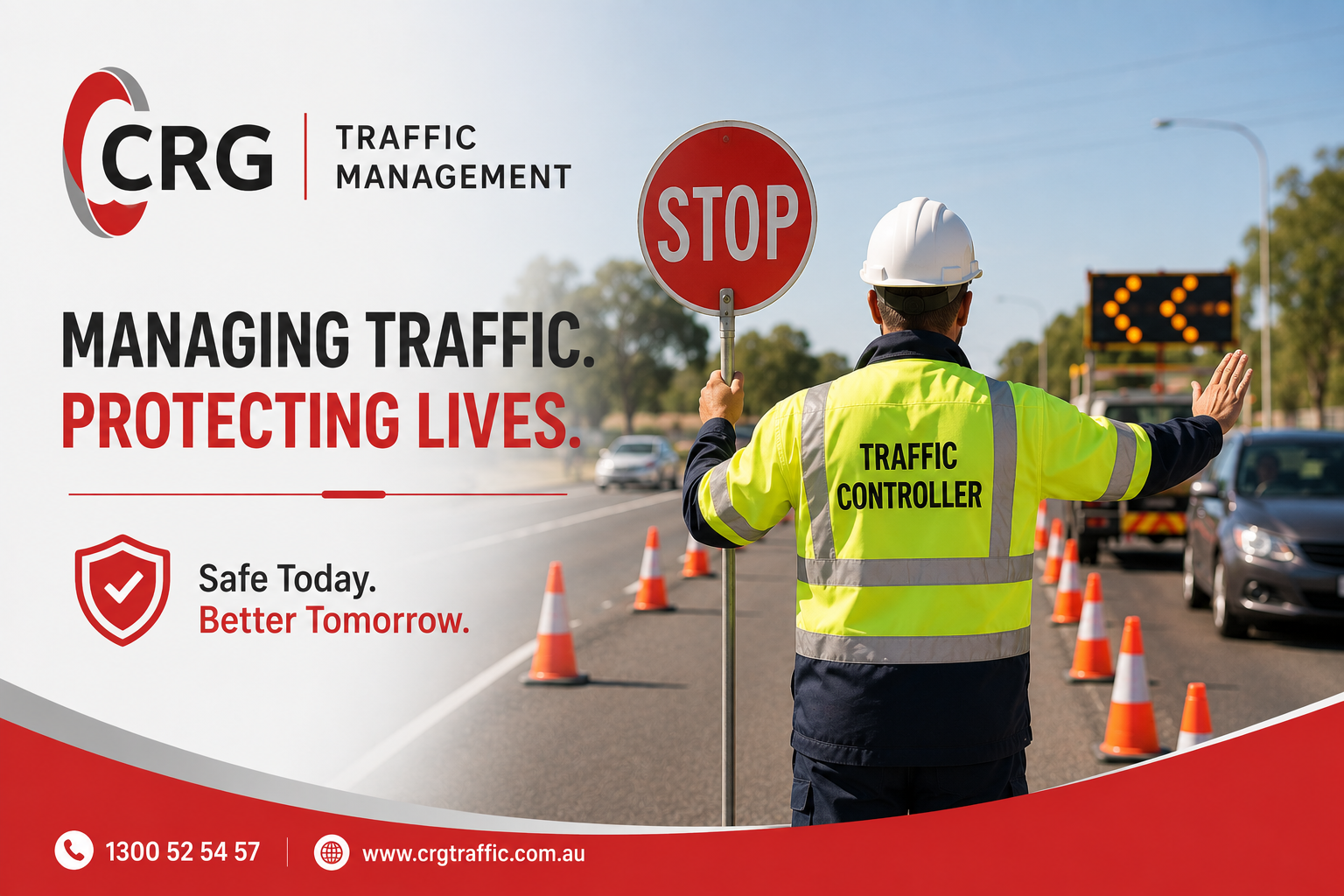
Supporting Pedestrians Around Worksites
Pedestrians can sometimes be overlooked during roadwork planning.
A construction project may block part of a footpath, change a crossing point or affect access to a business. People still need to reach shops, offices, homes and public transport facilities.
A traffic controller can help guide pedestrians through temporary arrangements and provide clearer communication when normal routes have changed.
This becomes particularly useful in busy commercial areas where pedestrian movement can be unpredictable throughout the day.
Why Experience Makes a Difference
Training provides the foundation, but experience helps people understand how different situations behave in practice.
An experienced traffic controller can recognise the difference between a normal momentary delay and a developing traffic problem. They can understand how vehicle positioning affects visibility and appreciate why a seemingly small change to the work area may require attention.
That experience becomes especially useful on projects where conditions change frequently.
For contractors, this is one reason it can be valuable to select a traffic management provider based on more than availability.
Choosing the Right Traffic Management Team
When selecting a traffic management provider, consider the people who will actually be working at the site.
Ask whether the team has experience with similar projects. Consider whether they understand the road environment and whether they can work effectively alongside construction crews.
It is also important to check that personnel have the appropriate training and accreditation for the work being undertaken.
A professional provider should be able to explain how its team approaches traffic control, site communication and changing work conditions.
Traffic Control Is Part of the Bigger Picture
A traffic controller does not work in isolation.
Their effectiveness depends on the wider traffic management arrangement. Signs need to be visible. Traffic paths need to be logical. Work areas need suitable separation. Pedestrian routes need to be understandable.
When these elements work together, the traffic controller becomes part of a complete system rather than a standalone service.
That is when traffic management starts to feel simple to the road user—which is often a sign that the planning behind it has been done properly.
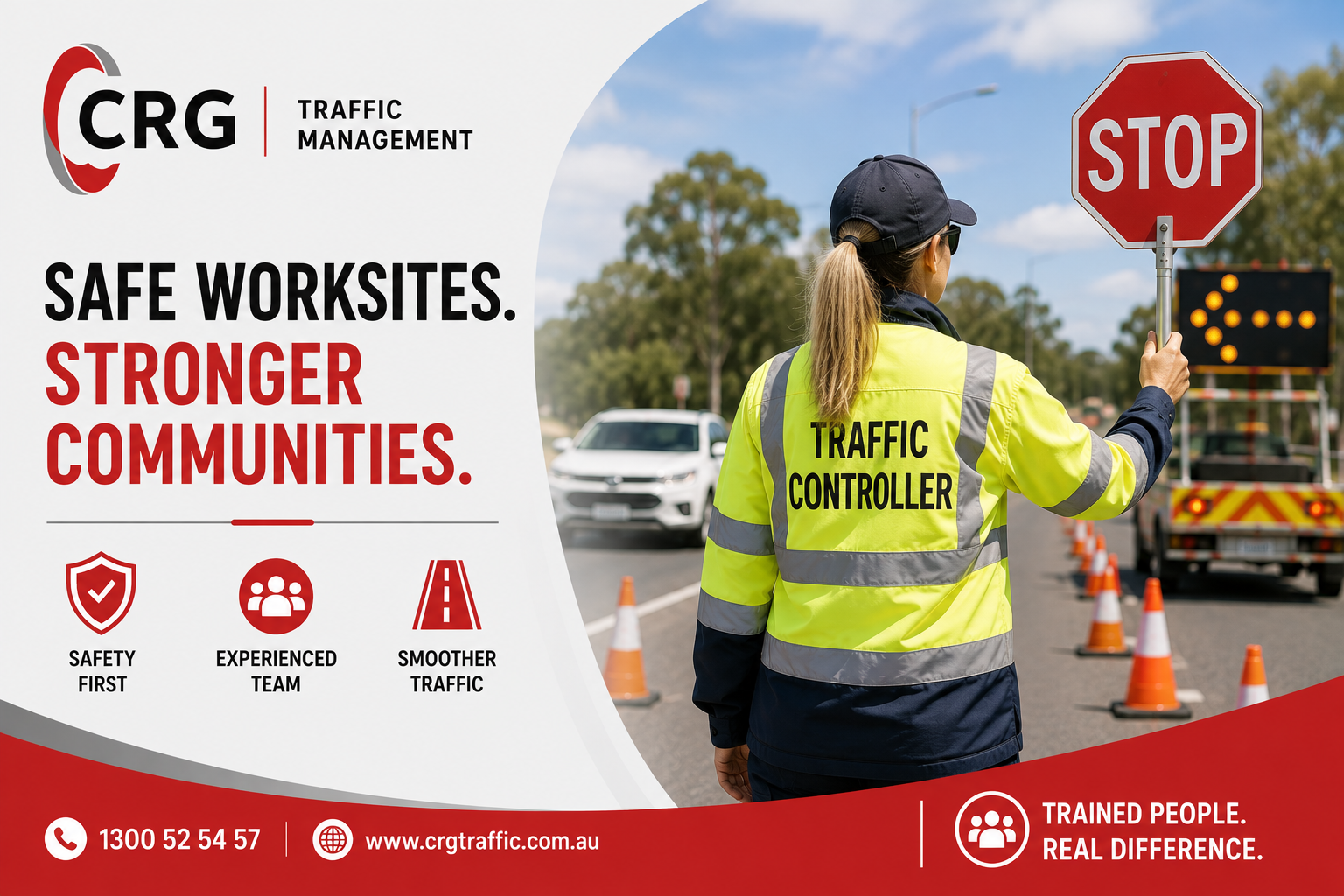
Creating Confidence Around Active Worksites
Drivers do not expect roadworks to disappear completely. They expect temporary changes to be clear.
A well-managed worksite gives motorists confidence about what they should do next. Slow down. Follow the temporary lane. Wait when instructed. Continue when it is safe.
For workers, that predictability is equally important.
The more clearly traffic movements are controlled, the easier it becomes for workers to understand where vehicles should and should not be.
Conclusion
Traffic Control Personnel are an essential human element in modern worksite safety. Their value comes from awareness, communication, and the ability to respond to conditions that cannot always be predicted in advance.
While signs, cones and technology provide important support, qualified traffic controllers bring judgement and real-time awareness to the road environment.
For construction companies, contractors and project managers, investing in capable traffic control personnel means investing in a more organised worksite. When the right people, planning and equipment come together, road users can move with greater confidence while workers have a better-controlled environment in which to complete their jobs.