

Road networks are the backbone of every growing city, supporting businesses, communities, emergency services, and public transport every day. As Western Australia continues to expand, construction projects, infrastructure upgrades, utility works, and public events have become increasingly common. While these developments are essential for economic growth, they also create temporary disruptions that must be managed carefully. This is where traffic management companies play a vital role. Their expertise ensures roads remain safe, organised, and accessible while work is carried out efficiently.
Professional traffic management is far more than placing traffic cones or redirecting vehicles. It involves detailed planning, risk assessments, qualified personnel, specialised equipment, and ongoing monitoring to minimise disruption and protect everyone using the road. Whether the project involves a residential subdivision, highway upgrade, commercial construction, or community event, an experienced traffic management provider helps maintain a safe environment while ensuring work continues without unnecessary delays.
Why Traffic Management Is More Important Than Ever
Western Australia's growing population has increased the demand for better roads, improved public infrastructure, and expanded residential developments. Every new project affects traffic in some way, creating temporary changes that drivers, pedestrians, and cyclists must navigate safely. Without proper planning, even a small road closure can result in congestion, confusion, and increased safety risks.
Professional traffic management services help reduce these risks by carefully controlling vehicle movements around work zones. Experienced planners assess the location before work begins, considering traffic volumes, nearby intersections, public transport routes, schools, and local businesses. Based on this assessment, they develop strategies that minimise disruption while maintaining the highest level of safety.
Good traffic management benefits everyone involved. Workers can complete their tasks in a protected environment, motorists experience fewer delays, pedestrians have clearly marked pathways, and project managers maintain productivity throughout the project. This balanced approach is why professional traffic management has become an essential component of modern infrastructure projects.
What Do Traffic Management Companies Do?
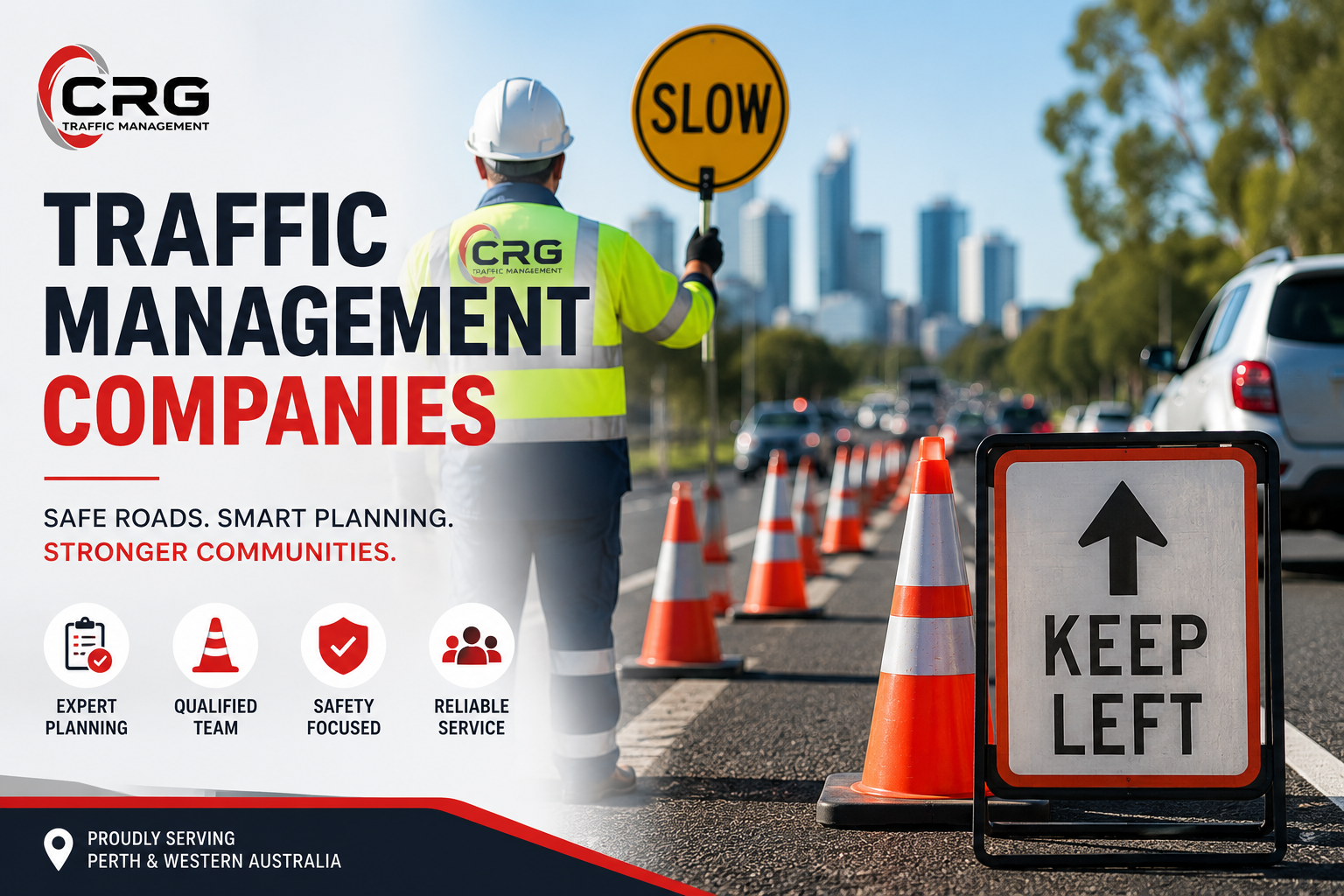
Many people assume traffic management simply involves directing vehicles around roadworks. In reality, the responsibilities are much broader and require careful coordination from planning through to project completion.
Professional traffic management providers begin by conducting detailed site inspections. They identify potential hazards, analyse traffic conditions, and determine the safest way to manage vehicles and pedestrians during every stage of the project. This planning phase forms the foundation of a successful traffic management strategy.
Once planning is complete, qualified personnel install temporary traffic control devices such as warning signs, barriers, cones, portable traffic signals, and electronic message boards. Traffic controllers supervise vehicle movement, monitor changing conditions, and communicate with project supervisors throughout the day. Every element works together to reduce risks while allowing construction or maintenance activities to continue efficiently.
By combining careful planning with experienced personnel, traffic management companies create safer roads while helping projects stay on schedule.
The Importance of Detailed Planning
Every successful traffic management project starts with a comprehensive plan. No two worksites are identical, so each location requires a customised approach based on its unique characteristics.
Planning begins with evaluating the surrounding road network, expected traffic volumes, pedestrian activity, and nearby businesses or residential areas. Engineers and planners then prepare a traffic control strategy that outlines lane closures, temporary speed limits, diversion routes, signage locations, and emergency access arrangements.
A well-designed traffic management system allows contractors to carry out work safely without creating unnecessary disruption for road users. It also provides flexibility, allowing traffic arrangements to be adjusted quickly if conditions change during the project.
Careful planning reduces confusion, improves communication between stakeholders, and ensures compliance with relevant road safety regulations throughout the project.
Qualified Traffic Controllers Make the Difference
Although technology continues to improve, experienced traffic controllers remain one of the most valuable resources on any worksite. Their ability to observe changing road conditions and respond immediately helps prevent incidents before they occur.
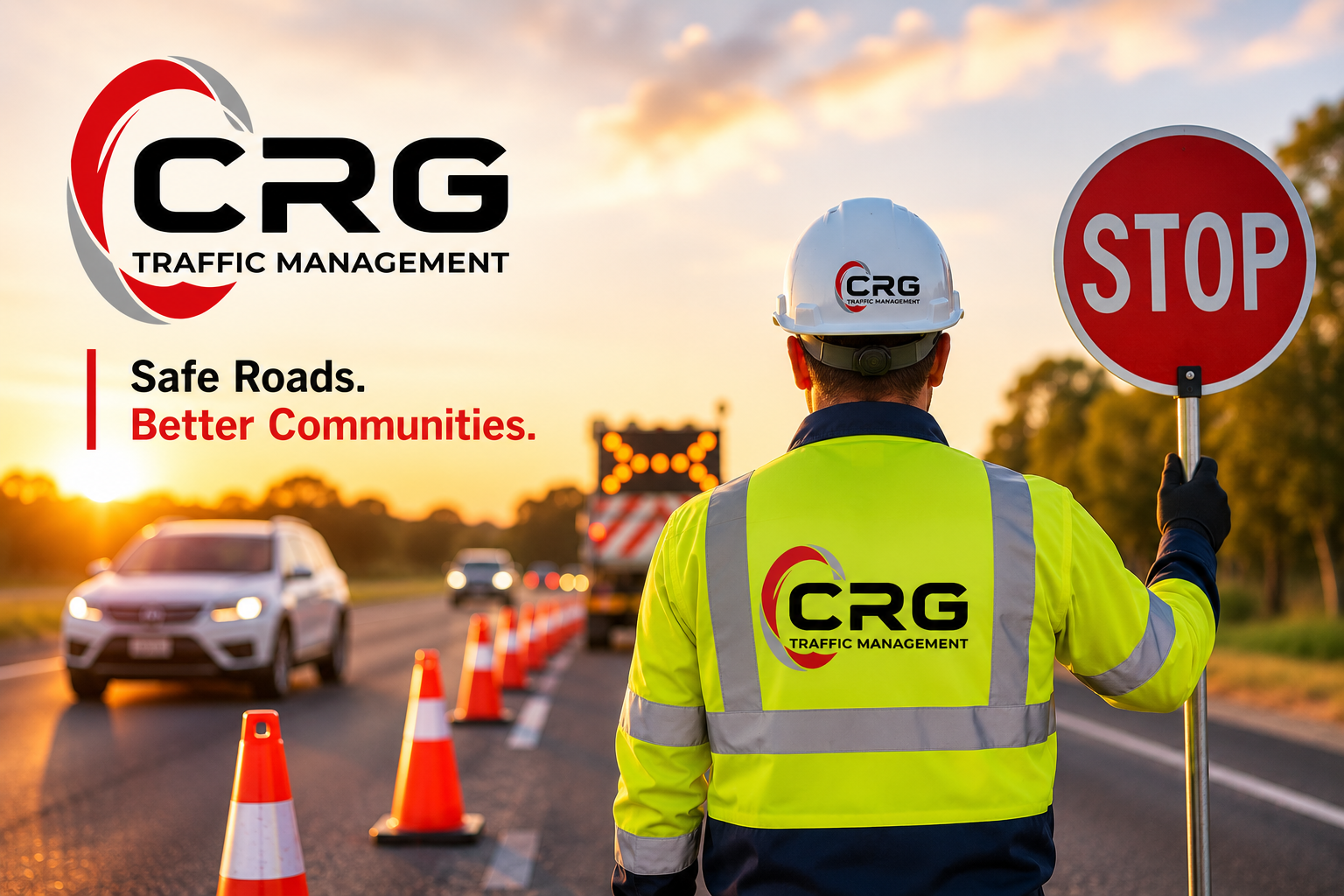
Traffic controllers communicate directly with motorists, pedestrians, construction crews, and supervisors throughout the day. They monitor vehicle flow, adjust traffic movements when necessary, and ensure temporary traffic control devices remain correctly positioned.
Professional traffic controllers undergo accredited training covering road safety procedures, hazard identification, communication skills, emergency response, and workplace safety. Their expertise enables them to make informed decisions under changing conditions while maintaining calm and organised traffic movement.
Their presence also reassures motorists that work zones are professionally managed and that safety remains the highest priority.
Industries That Depend on Traffic Management
Traffic management supports far more than road construction. Many industries rely on experienced professionals to ensure work can continue safely without disrupting the wider community.
Construction companies regularly require traffic management during residential developments, commercial projects, bridge construction, and infrastructure upgrades. Utility providers depend on traffic management when repairing water, gas, electricity, and telecommunications services near public roads.
Local councils also engage traffic management providers for road maintenance, drainage improvements, line marking, and vegetation control. Public event organisers require temporary road closures and pedestrian management for festivals, sporting events, concerts, and community celebrations.
The versatility of professional traffic management services allows organisations across multiple industries to complete projects safely while protecting workers and the travelling public.
Modern Equipment Improves Safety and Efficiency
The equipment used by professional traffic management providers has advanced significantly over recent years. Modern technology improves communication, enhances visibility, and supports safer traffic movement around work zones.
Electronic message boards provide drivers with advance notice of changing road conditions before they reach the worksite. Portable traffic signals regulate alternating traffic flow where temporary lane closures are required. High-visibility barriers and reflective signage improve driver awareness during both daytime and night-time operations.
Digital communication systems also allow traffic controllers and supervisors to coordinate more effectively across larger worksites. Faster communication enables teams to respond quickly if traffic conditions change unexpectedly.
Technology has undoubtedly strengthened the industry, but it remains most effective when combined with experienced professionals who understand how to manage real-world traffic situations.
Supporting Safer Communities
Professional traffic management benefits entire communities, not just construction projects. Safe work zones reduce accident risks, minimise travel delays, and improve public confidence during infrastructure works.
When traffic is managed effectively, businesses remain accessible, emergency services maintain clear routes, and local residents experience less disruption to their daily routines. Clear signage and organised traffic flow also reduce driver frustration, creating a more positive experience for everyone using the road.
By prioritising safety, communication, and careful planning, experienced traffic management providers help communities continue functioning smoothly while important infrastructure improvements take place.
Choosing the Right Traffic Management Company
Selecting the right traffic management provider is one of the most important decisions for any organisation planning work on or near public roads. A reliable company does much more than supply traffic controllers or install temporary signs. It becomes a trusted partner that understands the project's objectives, identifies potential risks before work begins, and develops practical solutions that keep everyone safe. Whether the project lasts a single day or several months, the quality of traffic management can have a direct impact on safety, productivity, and public satisfaction.
When comparing providers, experience should be one of the first considerations. Companies with a proven track record have managed a wide variety of projects and understand how to respond to changing site conditions. They know how to coordinate with contractors, local councils, emergency services, and utility providers while ensuring that every stage of the project complies with Western Australian regulations.
A professional company will also invest in ongoing staff training, modern equipment, and continuous improvement. Their traffic controllers should be fully qualified, knowledgeable, and capable of handling complex traffic environments with confidence. Open communication is equally important, as project managers need regular updates throughout the project to ensure everything is progressing safely and efficiently.
The Role of Innovation in Modern Traffic Management
The traffic management industry has embraced technology to improve safety, efficiency, and communication. While experienced personnel remain essential, modern tools allow projects to be managed more effectively than ever before.
Many providers now use digital planning software to prepare detailed traffic control plans and monitor projects from beginning to end. GPS tracking allows supervisors to monitor equipment and personnel across multiple worksites, ensuring resources are deployed efficiently. Portable electronic message boards provide motorists with real-time updates, helping them prepare for changing road conditions before they reach the work zone.
A well-designed traffic management system also supports faster decision-making. By collecting information about traffic volumes, weather conditions, and site activities, project managers can quickly adjust traffic arrangements when necessary. This flexibility helps minimise delays while maintaining a safe working environment for everyone involved.
Although technology continues to evolve, it works best when combined with experienced professionals who understand local road conditions and can respond effectively to unexpected situations.
Compliance and Safety Standards
Safety is the foundation of every successful traffic management project. Professional providers operate under strict regulations designed to protect workers, motorists, cyclists, and pedestrians. Compliance is not simply about meeting legal obligations; it reflects a company's commitment to delivering high-quality services that place safety above all else.
Every project begins with a comprehensive risk assessment that identifies potential hazards and determines the most appropriate traffic control measures. Throughout the project, regular inspections ensure signs, barriers, cones, and other equipment remain correctly positioned and fully operational. Traffic controllers continuously monitor vehicle movements and respond immediately if conditions change.
By maintaining high safety standards, professional providers reduce the likelihood of accidents, minimise project delays, and help clients avoid unnecessary compliance issues. Their proactive approach creates confidence for contractors, government agencies, and the communities affected by roadworks.
Supporting Perth's Growing Infrastructure
Western Australia continues to experience significant investment in transport, utilities, and commercial development. Every new road, bridge, residential estate, and public facility requires careful planning to minimise disruption during construction. This increasing demand has strengthened the role of traffic control companies Perth, which provide specialised expertise for projects of every size.
Major infrastructure projects often involve multiple contractors working simultaneously across different locations. Traffic management teams coordinate closely with engineers, project managers, and local authorities to ensure temporary traffic arrangements remain consistent and effective throughout every stage of construction.
Their work extends beyond directing vehicles. They help maintain access for local businesses, protect pedestrians, support emergency services, and ensure construction crews can work safely within clearly defined areas. As Perth continues to expand, the contribution of professional traffic management services will become even more important.
Benefits of Hiring Experienced Professionals
Investing in experienced traffic management professionals offers long-term benefits for contractors, developers, government agencies, and the wider community. One of the most significant advantages is improved safety. Well-planned work zones reduce the risk of accidents by providing clear guidance for motorists and protecting workers operating close to live traffic.
Effective traffic management also improves project efficiency. When vehicles move smoothly around construction sites, work can continue without unnecessary interruptions. This helps projects stay on schedule and reduces costs associated with delays or unexpected incidents.
Professional providers also strengthen communication between everyone involved in the project. Regular updates, detailed planning, and rapid responses to changing conditions allow project managers to make informed decisions throughout the construction process. These benefits contribute to stronger client relationships and better project outcomes.
Another important advantage is protecting a company's reputation. Road users quickly recognise when work zones are organised, clearly marked, and professionally managed. A positive public experience reflects well on contractors and demonstrates a genuine commitment to safety and community wellbeing.
The Future of Traffic Management
As cities continue to grow, traffic management will become increasingly sophisticated. Intelligent transport systems, connected infrastructure, and data-driven planning are already changing how projects are managed across Australia. These innovations allow providers to predict congestion, improve traffic flow, and enhance communication between road authorities and contractors.
Environmental sustainability is also becoming an important focus. Better traffic planning reduces unnecessary idling, helping lower fuel consumption and vehicle emissions. More efficient traffic movement benefits both the environment and the community while supporting broader sustainability goals.
Despite advances in technology, skilled professionals will remain central to the industry. Human judgement, experience, and communication cannot be replaced by technology alone. The most successful traffic management companies will continue combining innovation with practical expertise to deliver safer and more efficient solutions for increasingly complex road networks.
Why Choose CRG Traffic Management
When selecting a trusted provider, experience, reliability, and a commitment to safety should always come first. CRG Traffic Management delivers professional traffic management solutions across Perth and Western Australia, supporting construction projects, road maintenance, utility works, infrastructure developments, and public events. With qualified traffic controllers, detailed planning, modern equipment, and a strong focus on compliance, the team works closely with clients to minimise disruptions while maintaining the highest safety standards. Every project is approached with careful planning and clear communication, ensuring efficient traffic flow and safe working environments from start to finish.
Conclusion
Professional traffic management companies play an essential role in supporting safe, efficient, and well-organised road networks across Western Australia. Their expertise extends far beyond directing vehicles, encompassing detailed planning, qualified personnel, specialised equipment, risk management, and ongoing site supervision. By maintaining high safety standards and minimising disruption, they help infrastructure projects progress smoothly while protecting workers and the travelling public.
Whether managing large construction projects, utility works, road maintenance, or public events, experienced providers deliver solutions tailored to each project's unique requirements. Strong planning, effective communication, and a reliable traffic management system enable teams to respond confidently to changing conditions while maintaining compliance with industry regulations.
As infrastructure investment continues to grow, the demand for experienced traffic control companies Perth will remain strong. Organisations that choose professional traffic management services benefit from safer worksites, improved efficiency, and greater confidence that every project will be completed responsibly. Investing in experienced professionals is not simply about managing traffic—it is about protecting people, supporting communities, and ensuring every journey remains as safe as possible.