

Roads are the backbone of every growing city, and Perth is no exception. With ongoing infrastructure upgrades, residential developments, commercial construction, and utility projects taking place across Western Australia, managing traffic safely has become more important than ever. Traffic Control Perth services help ensure that motorists, pedestrians, cyclists, and construction workers can share the road safely while essential work continues without unnecessary disruption. Whether it is a small maintenance project or a major road upgrade, effective traffic management reduces risks, improves efficiency, and keeps communities connected.
Traffic management is much more than setting up cones and warning signs. Every project requires detailed planning, experienced traffic controllers, the right equipment, and ongoing monitoring to ensure work zones remain safe throughout the day. Professional traffic management companies assess the site, understand local traffic conditions, and develop tailored solutions that comply with Western Australian regulations. By creating clear and organised traffic movements, they minimise delays while protecting everyone using or working near the road.
Why Traffic Control Matters in Perth
Perth has experienced steady population growth over the past decade, leading to increased demand for housing, commercial developments, and public infrastructure. As construction activity continues to expand, more temporary road closures, lane restrictions, and work zones become necessary. Without proper planning, these changes can create congestion, confusion, and increased risk of accidents.
Professional traffic management helps maintain order during these projects by directing vehicles safely through changing road conditions. Traffic controllers work closely with project managers and construction crews to ensure work progresses without compromising public safety. Clear signage, temporary speed reductions, and carefully planned diversions all contribute to a smoother driving experience.
Every road user benefits from effective traffic control. Motorists receive clear instructions, pedestrians are guided through safe pathways, cyclists have designated routes, and workers are protected from live traffic. These measures create an environment where projects can be completed efficiently while reducing inconvenience to the community.
The Growing Need for Professional Traffic Management
Western Australia continues to invest heavily in infrastructure, including highways, residential developments, schools, hospitals, and public transport networks. Each project introduces temporary changes to normal traffic conditions that require careful coordination.
Professional traffic management begins long before any work starts on-site. Traffic specialists conduct site inspections, analyse vehicle movements, identify potential hazards, and determine the safest way to manage traffic throughout the project. Every location presents different challenges depending on traffic volume, nearby intersections, pedestrian activity, and surrounding businesses.
Well-planned traffic management reduces unnecessary delays while maintaining productivity on-site. Instead of reacting to problems after they occur, experienced planners identify potential issues in advance and develop practical solutions that minimise disruptions.
Planning Is the Foundation of Safe Traffic Management
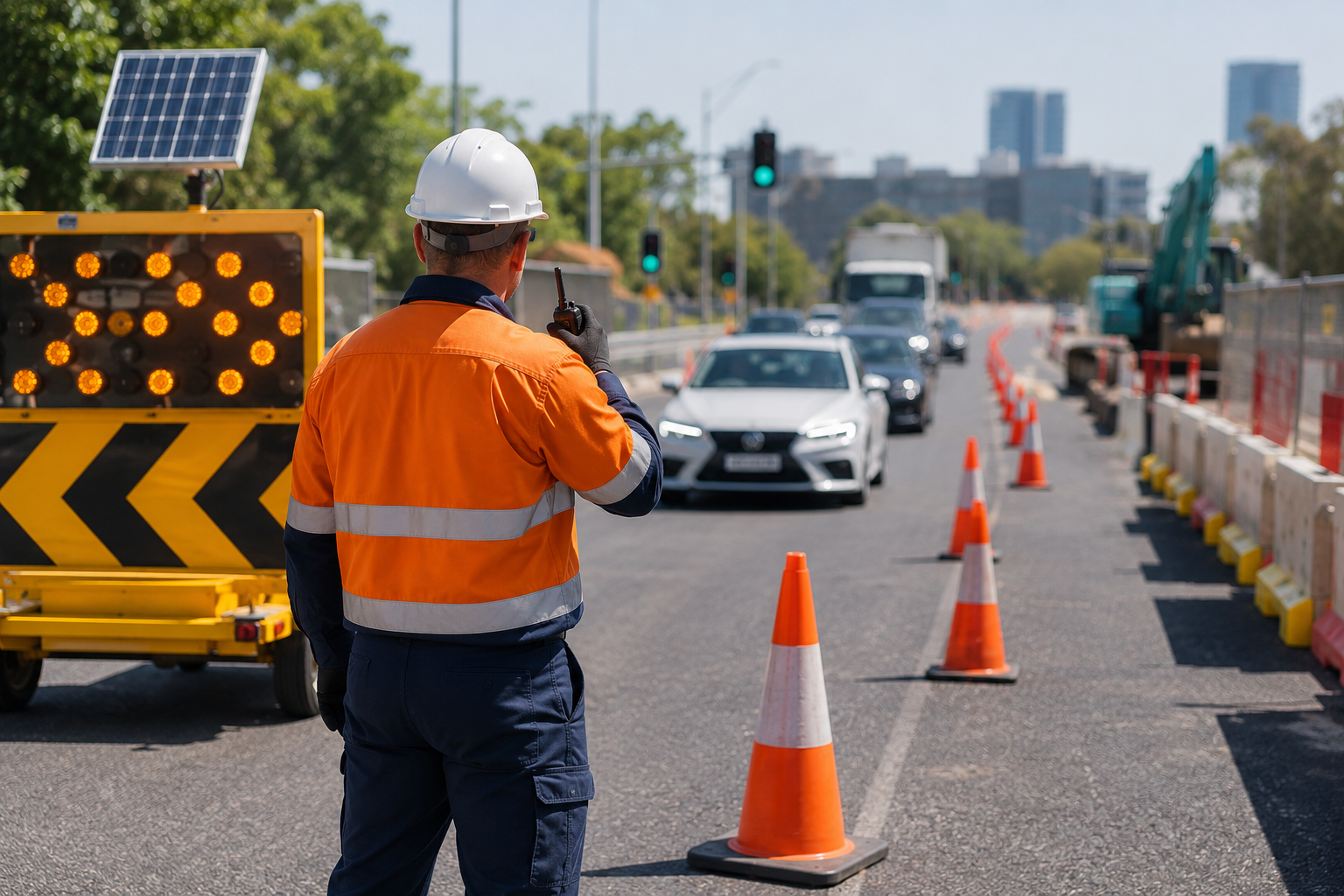
Every successful project starts with a detailed Traffic Management Plan. This document outlines how vehicles, pedestrians, and workers will move safely around the work area. It includes temporary speed limits, signage locations, lane closures, pedestrian access, emergency vehicle routes, and equipment placement.
No two projects are identical. A residential street requires a different approach from a busy arterial road or freeway. Traffic planners consider peak travel times, nearby schools, shopping centres, bus routes, and emergency access before finalising the plan.
Effective planning also allows contractors to complete work more efficiently. When traffic flows smoothly around the worksite, crews can focus on their tasks instead of responding to unexpected traffic issues.
The Role of Traffic Controllers
Technology has improved traffic management significantly, but qualified traffic controllers remain one of the industry's most valuable assets. Their ability to assess changing conditions and communicate clearly with drivers cannot be replaced by equipment alone.
Traffic controllers monitor vehicle movements throughout the day and adjust traffic flow whenever necessary. They coordinate with construction supervisors, communicate with other controllers, and respond immediately if unexpected situations arise.
Their responsibilities extend beyond directing traffic. They ensure work zones remain compliant with safety standards, inspect traffic control devices, report hazards, and assist emergency services when required. Their presence provides reassurance to both workers and road users that safety remains the highest priority.
Supporting Major Construction Projects
Construction activity is one of the biggest users of traffic management services across Perth. Residential estates, shopping centres, office developments, bridges, and road upgrades all require carefully planned traffic control to keep projects moving safely.
Construction vehicles frequently enter and exit worksites, heavy machinery operates near active roads, and temporary lane closures may be necessary throughout different stages of the project. Without proper management, these activities can create serious risks for passing motorists.
Professional traffic management teams coordinate closely with builders and engineers to ensure work progresses safely while maintaining public access wherever possible. Their planning helps minimise delays and keeps projects running on schedule.
Managing Busy Roads and Highways
Managing Perth freeway traffic requires specialised planning due to the high number of vehicles travelling through these corridors every day. Even a short-term lane closure can affect thousands of commuters if not carefully managed.
Traffic management teams carefully schedule works to reduce disruption during peak travel periods whenever possible. Electronic message boards, warning signs, temporary speed reductions, and staged lane closures all help drivers prepare for changing conditions before reaching the work area.
Continuous monitoring allows adjustments to be made if traffic conditions change unexpectedly. This proactive approach helps maintain vehicle flow while protecting workers operating close to live traffic.
Safety Is Always the Highest Priority
Safety remains the primary objective of every traffic management project. Every sign, barrier, cone, and traffic controller has a specific purpose designed to reduce risks for everyone on the road.
Professional traffic management companies invest heavily in staff training, modern equipment, and regular safety inspections. Traffic controllers receive ongoing education to stay updated with industry standards and changing regulations.
By combining experienced personnel with effective planning, organisations create safer environments where projects can be completed efficiently without compromising public safety.
Modern Technology Is Changing Traffic Management
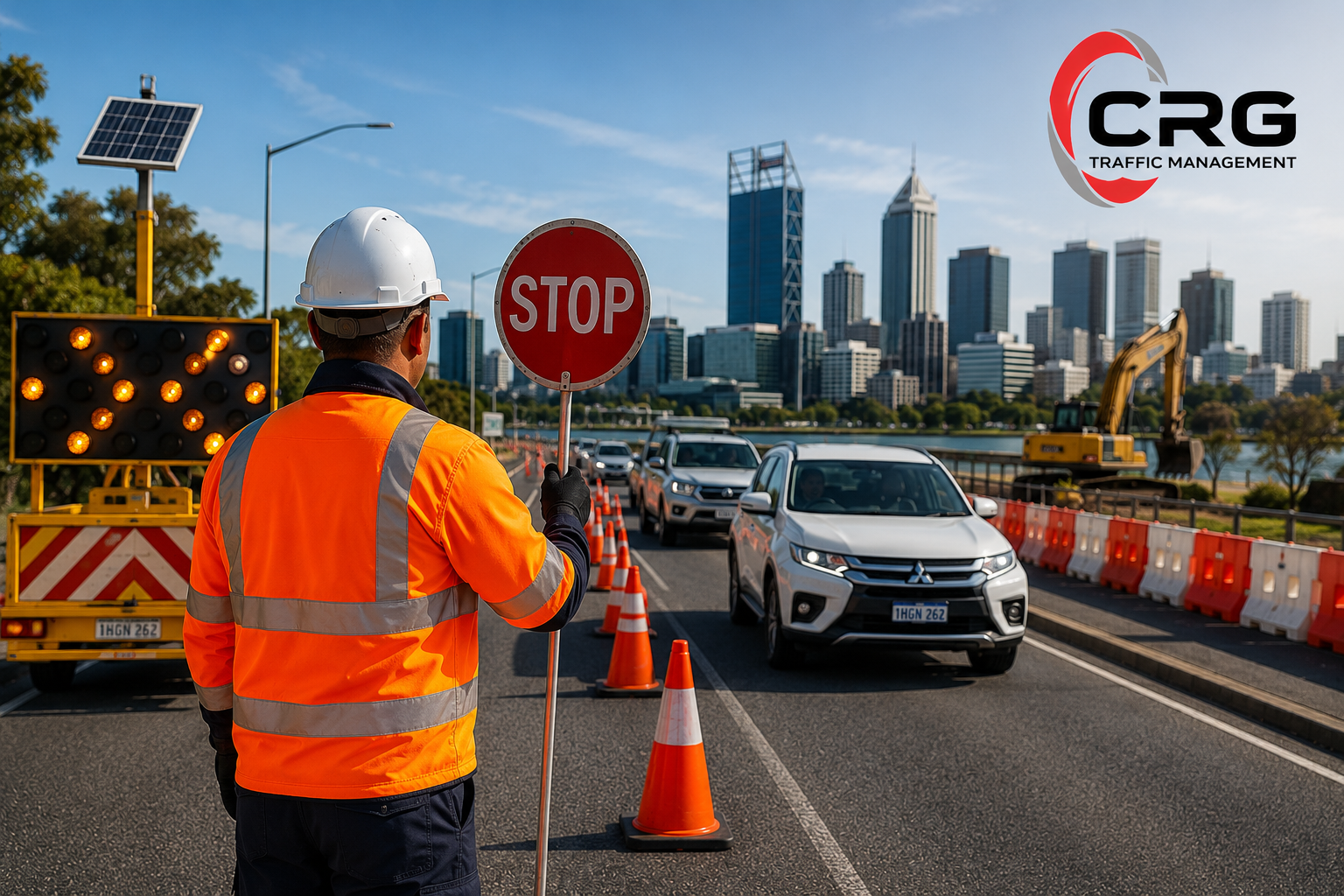
Traffic management has evolved significantly over the past decade. While qualified traffic controllers remain at the heart of every successful project, technology has made planning and monitoring far more efficient. Digital mapping, GPS tracking, portable traffic signals, and real-time communication systems enable traffic management teams to respond quickly to changing road conditions.
Project managers can now monitor multiple worksites simultaneously, ensuring every traffic control setup continues to meet safety requirements throughout the day. If traffic volumes increase unexpectedly or weather conditions change, adjustments can be made immediately to reduce risks and maintain smooth traffic flow.
Electronic message boards have also become an important communication tool. Instead of relying only on static road signs, drivers receive advance notice of lane closures, reduced speed zones, or detours before reaching the work area. This gives motorists more time to react safely and reduces sudden braking or lane changes.
Technology also improves communication between traffic controllers, supervisors, and construction teams. Faster communication means potential hazards can be identified and addressed before they become larger problems. Although modern equipment has enhanced efficiency, human judgement remains essential because every worksite presents unique situations that require experience and quick decision-making.
Supporting Public Events Across Perth
Traffic management is not limited to construction and road maintenance. Public events also depend on professional planning to ensure visitors can arrive and leave safely without creating unnecessary congestion.
Sporting events, concerts, festivals, community celebrations, and charity walks often attract thousands of people within a short period. These events temporarily change normal traffic patterns, requiring road closures, parking management, pedestrian crossings, and designated emergency access routes.
Professional traffic management teams work closely with event organisers, local authorities, emergency services, and security personnel to develop comprehensive traffic management plans. Every detail is considered, from vehicle entry points and public transport access to pedestrian safety and emergency evacuation procedures.
Good planning improves the overall experience for visitors while reducing disruption for nearby residents and businesses. When traffic is managed efficiently, people spend less time waiting in queues and more time enjoying the event.
Traffic Management for Utility and Emergency Works
Not every traffic management project is planned months in advance. Utility providers frequently respond to unexpected situations such as water main breaks, gas leaks, electrical faults, telecommunications failures, or storm damage. These incidents often require immediate road access to restore essential services.
Professional traffic management teams can mobilise quickly to establish safe work zones while allowing traffic to continue moving wherever possible. Temporary lane closures, reduced speed limits, warning signs, and qualified traffic controllers help protect emergency crews working close to live traffic.
Rapid deployment is critical because delays can increase risks for both workers and the public. Experienced traffic controllers understand how to establish compliant traffic control arrangements within a short timeframe without compromising safety.
By responding quickly and efficiently, traffic management providers help essential services return to normal while minimising inconvenience for motorists.
Environmental and Community Benefits
Effective traffic management delivers benefits that extend beyond road safety. Well-planned traffic control helps reduce unnecessary congestion, allowing vehicles to move more smoothly through temporary work zones. Less stop-start traffic means lower fuel consumption and reduced vehicle emissions, supporting broader environmental goals.
Communities also benefit when projects are carefully managed. Businesses remain accessible, pedestrians have clearly defined walkways, and residents experience fewer delays during daily travel. Clear communication through advance warning signs and traffic updates helps drivers plan alternative routes if required.
Maintaining positive relationships with local communities is an important part of successful traffic management. People are generally more accepting of temporary disruptions when they understand the purpose of the work and can see that every effort has been made to minimise inconvenience.
As Perth continues to grow, balancing infrastructure development with community expectations will remain an important responsibility for traffic management professionals.
Choosing the Right Traffic Management Provider
Selecting the right provider is one of the most important decisions for any construction, maintenance, or infrastructure project. Experience, professionalism, and a strong commitment to safety all contribute to successful traffic management outcomes.
A reliable provider should have qualified traffic controllers, experienced planners, modern equipment, and a proven ability to manage projects of varying sizes. Every project should begin with a thorough site assessment and a customised traffic management plan that considers the unique conditions of the location.
Communication is equally important. Contractors, local authorities, emergency services, and project managers all rely on accurate information throughout the project. A professional traffic management company maintains clear communication, responds quickly to changing conditions, and ensures every member of the team understands their responsibilities.
Compliance with Western Australian regulations should never be overlooked. Working with an experienced provider helps ensure projects meet all relevant safety requirements while avoiding unnecessary delays or compliance issues.
The Future of Traffic Management in Western Australia
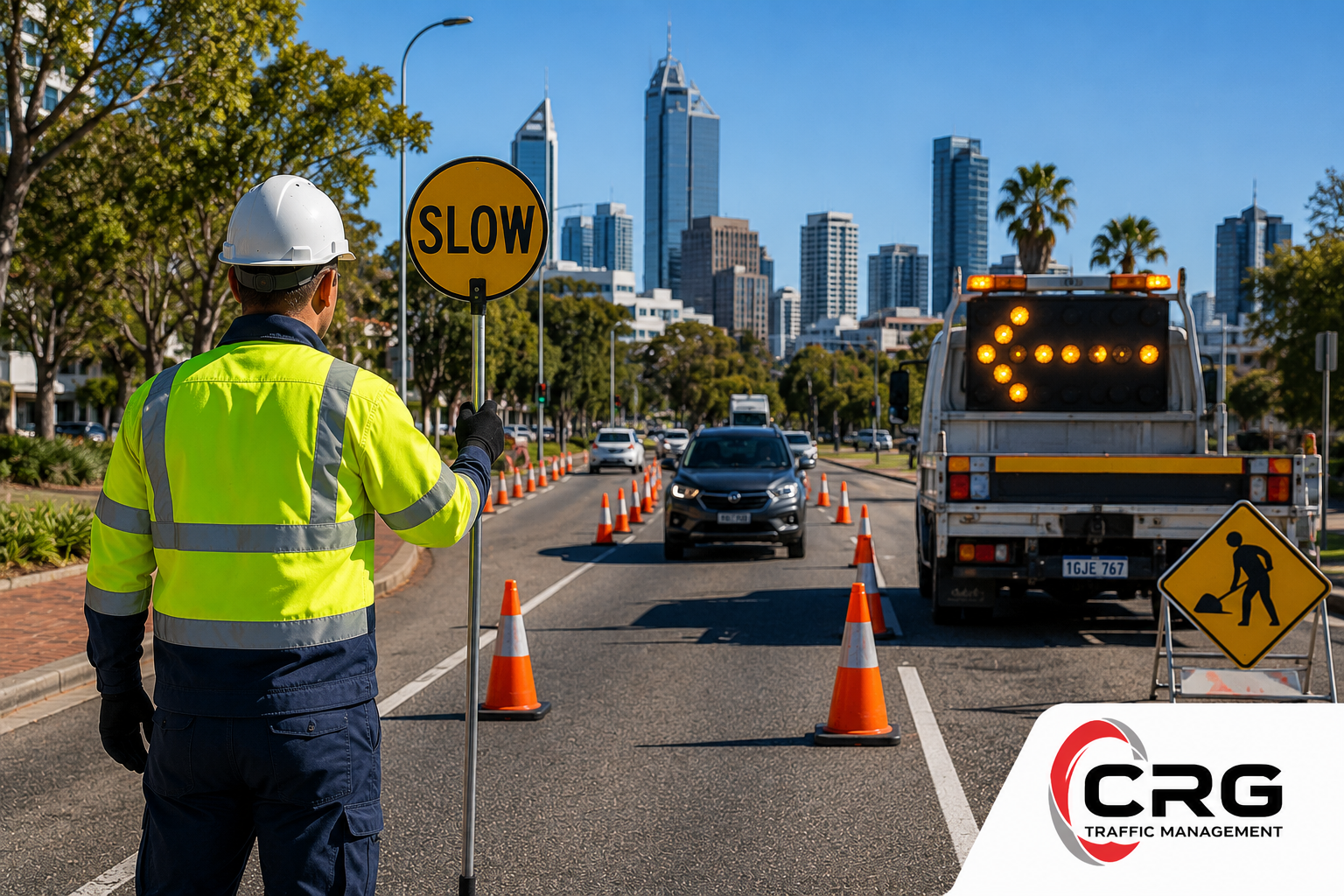
As cities continue to expand, traffic management will play an even greater role in supporting safe and efficient transport networks. Emerging technologies such as artificial intelligence, smart traffic signals, connected infrastructure, and automated monitoring systems are already improving the way traffic is managed around work zones.
These innovations provide valuable data that helps project managers make better decisions, predict traffic congestion, and optimise traffic flow. However, technology will always work best when combined with experienced professionals who understand how to respond to real-world situations.
Future traffic management solutions are expected to become even more integrated with intelligent transport systems, allowing road authorities and contractors to coordinate projects more effectively. This will improve safety, reduce travel delays, and support sustainable infrastructure development across Western Australia.
The increasing focus on road safety, environmental responsibility, and efficient project delivery means traffic management will remain an essential part of every major infrastructure project for years to come.
Conclusion
Safe and efficient traffic management is essential for supporting Perth's continued growth. From residential developments and commercial construction to utility works and major infrastructure upgrades, professional planning helps protect workers while keeping the community moving.
Whether managing local streets or coordinating Perth freeway traffic, experienced traffic management teams provide the expertise needed to reduce risks and maintain smooth vehicle movement. Effective Perth traffic control depends on detailed planning, skilled personnel, reliable equipment, and a commitment to safety at every stage of a project.
Businesses and government organisations that invest in professional traffic control Perth WA services benefit from improved efficiency, stronger regulatory compliance, and safer working environments. As the demand for infrastructure continues to grow, choosing experienced professionals for Traffic Control Perth projects remains one of the most effective ways to ensure every road user can travel safely while important work continues with minimal disruption.