

Roadworks are an important part of keeping Perth's roads, infrastructure and communities moving forward. However, once construction begins, normal traffic conditions can change quickly. Lane closures, resurfacing, utility works, construction vehicles and temporary access points can all affect the way drivers and pedestrians move through an area.
This is where a reliable traffic controller Perth service can make a real difference. Traffic controllers help organise movements around active worksites, provide clear instructions to road users and support workers who are operating close to live traffic.
For contractors, traffic control is not simply about placing signs and cones around a worksite. It involves understanding the site, anticipating how road users may respond to temporary changes and ensuring that traffic movements are properly coordinated.
With the right planning and experienced personnel, work zones can be easier for motorists and pedestrians to understand while construction activities continue efficiently.
What Does a Traffic Controller Do?
A traffic controller plays an important role in managing vehicle and pedestrian movements around temporary work zones.
Depending on the type of project, a traffic controller may direct vehicles, control access to construction areas, assist pedestrians, manage temporary lane changes and communicate with workers and supervisors on site.
Their role becomes especially important when the normal road layout has been changed.
For example, a driver travelling along a familiar road may suddenly encounter a closed lane, temporary traffic lights or construction vehicles entering the road. Without clear guidance, drivers may hesitate or make sudden decisions.
A trained traffic controller provides a clear and visible point of communication.
By giving appropriate instructions and monitoring traffic movements, controllers can help create a more organised environment around the worksite.
Why Traffic Controllers Matter on Perth Roads
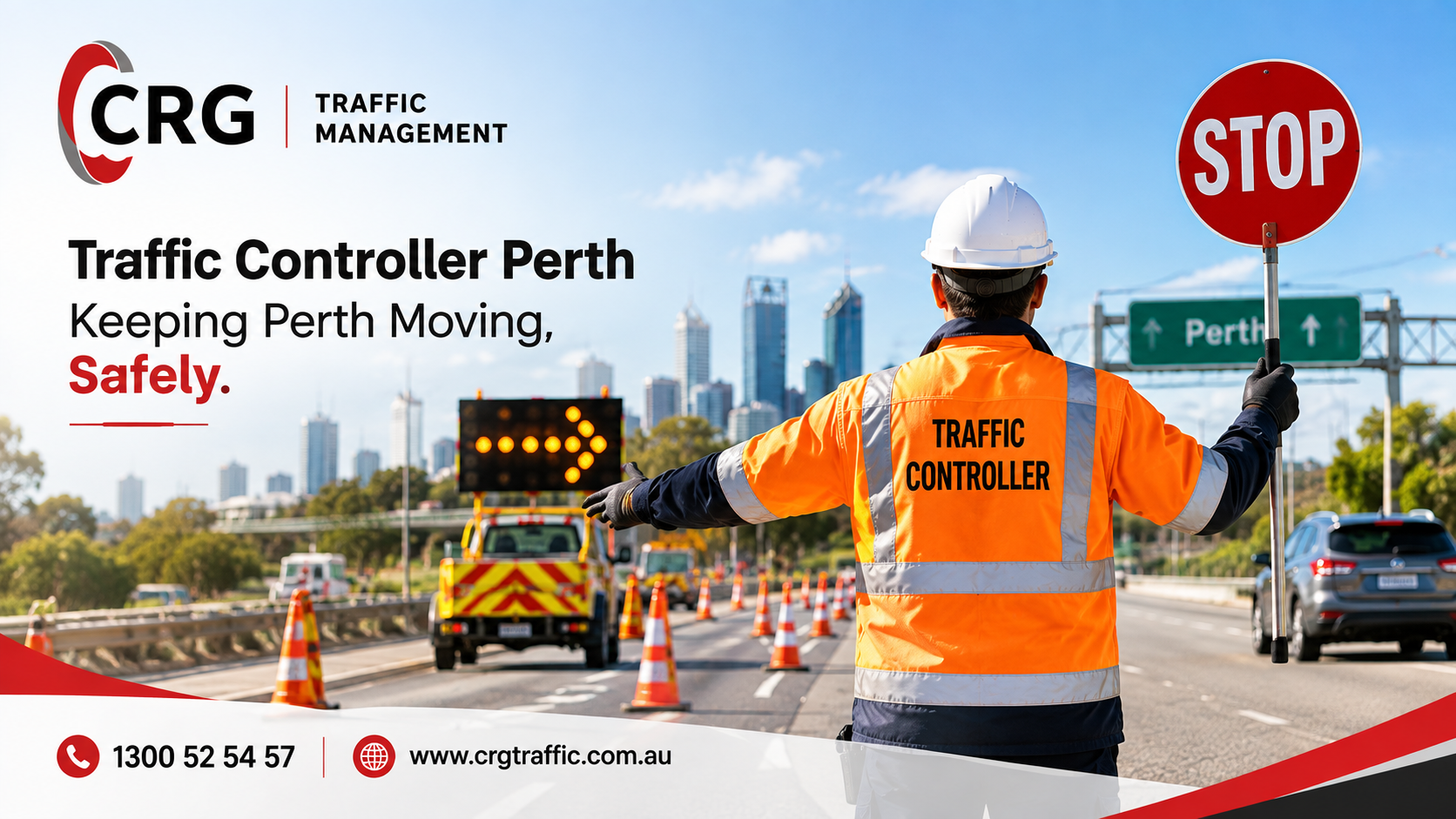
Perth has a diverse road network that includes residential streets, commercial areas, major arterial roads and freeways. Each location can create different traffic management challenges.
A small suburban project may need to consider property access, pedestrians and local traffic. A busy arterial road can involve higher traffic volumes, while freeway work requires careful planning because vehicles are travelling at higher speeds and drivers have fewer opportunities to react to unexpected changes.
For this reason, traffic management should be based on the actual conditions of each project.
A professional traffic controller Perth service can work as part of a broader traffic management arrangement designed around the road layout, traffic conditions, construction activity and pedestrian movements.
This site-specific approach helps contractors avoid relying on a one-size-fits-all solution.
Managing Perth Freeway Traffic Around Worksites
Work near major freeways requires particular attention.
Perth freeway traffic can be heavy during peak travel periods, and even a relatively small work activity can affect traffic when road space is reduced.
When lanes are closed or traffic is shifted, drivers need enough advance warning to understand what is happening ahead. Signs, barriers, cones, lane guidance and other traffic control measures need to work together so that road users can move through the affected area with clear expectations.
Where direct traffic management is required, traffic controllers can provide additional support.
Their purpose is not simply to keep vehicles moving. The wider objective is to create a predictable traffic environment while maintaining separation between road users and workers.
This is particularly important around high-speed roads, where sudden lane changes or unexpected movements can create additional risks.
Traffic Control for Construction Projects
Construction projects often involve constant interaction between public traffic and work vehicles.
Trucks may need to enter and leave the site. Excavators and other machinery may operate close to traffic. Materials may be delivered throughout the day, while workers may need to cross access points or work near moving vehicles.
Without an appropriate traffic arrangement, these activities can create unnecessary conflicts.
Professional traffic control Perth services can help manage access points and coordinate vehicle movements around active worksites.
For example, when a large construction vehicle needs to enter a site from an active road, a traffic controller can assist with the movement while monitoring approaching traffic and communicating with the site team.
The appropriate setup will depend on the road environment, project requirements and approved traffic management arrangements.
Traffic Control Perth WA and Site Planning
Effective traffic control starts before work begins.
A site should be assessed to understand how the proposed construction activities will affect existing traffic and pedestrian movements. This can help identify potential issues before they become problems during construction.
In Western Australia, traffic management for applicable works within road reserves is governed by relevant Main Roads WA requirements and guidance. The source material for this article notes that the March 2026 Traffic Management for Works on Roads Code of Practice refers to the Austroads Guide to Temporary Traffic Management and AS 1742.3-2019, unless a specific Western Australian requirement takes precedence.
Main Roads WA also provides traffic management plan templates and examples to assist with planning.
For contractors, this reinforces an important point: traffic control should be considered during project planning rather than treated as something to organise after construction has already started.
What Makes Good Traffic Control?
Good traffic control should be easy for road users to understand.
A driver approaching a worksite should be able to identify what has changed and what action is required. Pedestrians should also be able to understand where they can safely travel around the work area.
A well-organised traffic arrangement may include:
Clear temporary signs
Appropriate traffic control devices
Trained traffic controllers
Clearly defined work areas
Safe pedestrian routes
Suitable construction vehicle access
Effective communication between site personnel
However, these elements need to work together.
Signs and cones alone cannot manage every situation. At the same time, a skilled traffic controller cannot compensate for an unclear or unsuitable overall traffic arrangement.
Effective traffic control comes from combining planning, equipment, communication and competent personnel.
The Importance of Trained Personnel
Traffic control requires concentration, awareness and the ability to respond to changing conditions.
Controllers need to monitor approaching vehicles, understand site instructions, communicate with workers and remain aware of activity around them.
According to the Main Roads WA information referenced in the source material, people conducting works or events that may affect traffic or pedestrian access within a road reserve must hold the appropriate current traffic management accreditation.
This is why contractors should engage appropriately trained traffic management personnel instead of simply assigning general workers to control traffic.
Experience can also make a difference. Traffic environments can change quickly, and personnel who understand different worksite conditions may be better prepared to identify developing issues and communicate effectively with the wider site team.
Managing Pedestrians Near Construction Areas
Traffic control is not limited to vehicles.
Construction projects can also affect footpaths, shared paths, crossings and pedestrian access points. A blocked footpath or unclear diversion can cause people to enter areas that are not intended for public access.
Pedestrian movements should therefore form part of the overall traffic management approach.
Alternative routes should be clearly identified, particularly around locations with higher pedestrian activity.
Shopping areas, schools, public transport facilities and commercial precincts may require additional consideration because of the number of people moving through the area.
Good traffic control Perth WA planning considers everyone affected by the project, including motorists, pedestrians, cyclists, workers and construction vehicle operators.
Responding to Changing Traffic Conditions
One of the challenges of managing traffic around construction is that conditions can change throughout the day.
Morning traffic may look very different from afternoon traffic. A delivery truck may arrive at an unexpected time, construction activities may take longer than planned, or traffic queues may increase during peak periods.
Traffic controllers need to remain alert to these changes.
Their role involves more than simply following a predetermined instruction. Communication with supervisors and other site personnel is important when conditions change or additional attention is required.
For longer projects, having experienced traffic control personnel available can help contractors respond more effectively to the day-to-day realities of an active worksite.
Traffic Management on Major Perth Roads
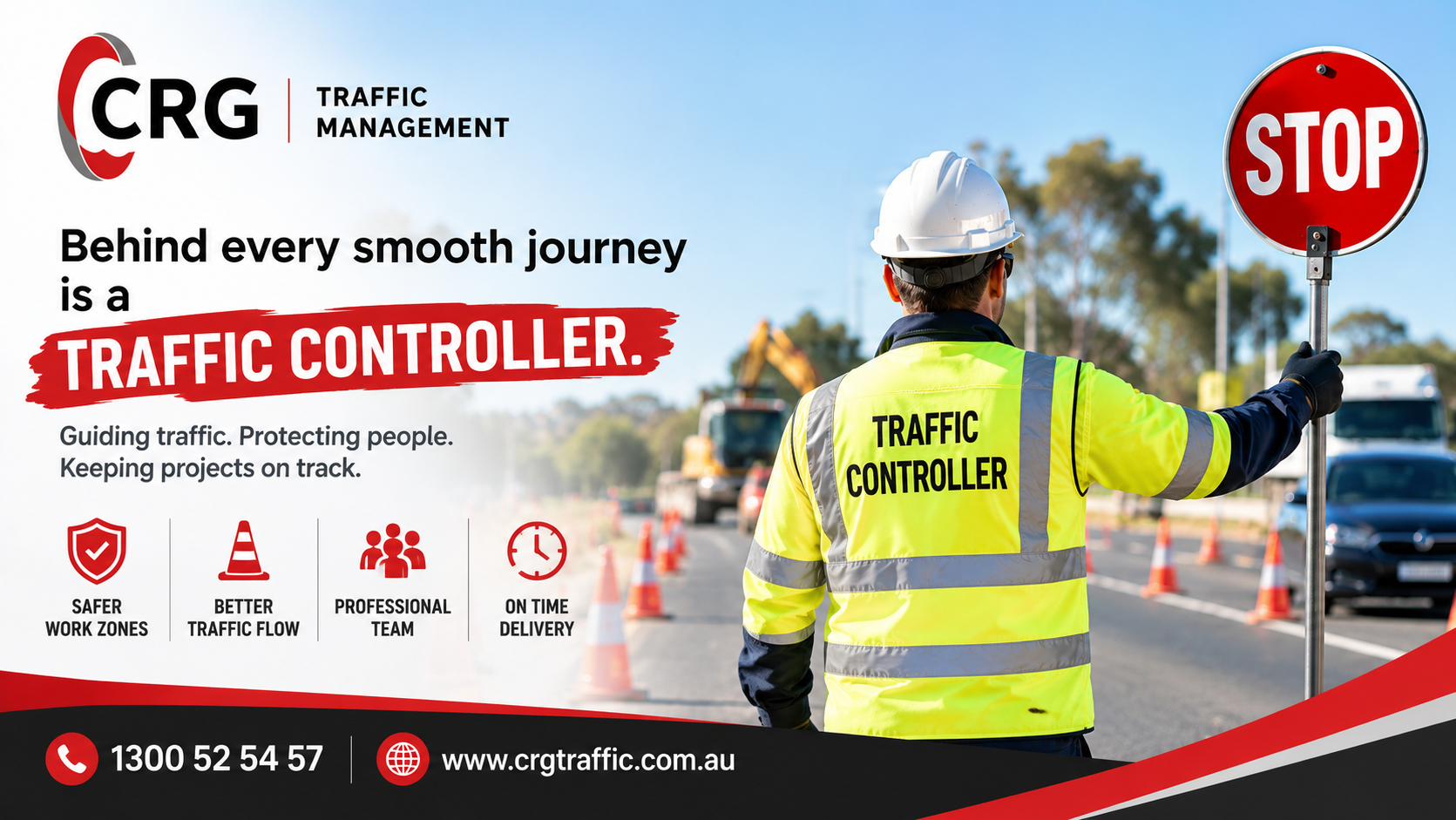
Projects located near major roads can affect significant numbers of road users.
A temporary lane closure, traffic shift or worksite access point may influence traffic well beyond the immediate construction area.
The source material highlights that traffic management on State roads is considered a high-risk activity and that incorrect traffic management can contribute to congestion as well as risks to road users and road workers.
Certain complex traffic management arrangements may also require review and endorsement by an appropriately accredited Roadworks Traffic Manager.
This is why larger projects benefit from involving qualified traffic management professionals early in the planning process.
Good preparation can help identify potential traffic conflicts, access issues and pedestrian concerns before they affect construction activities.
Choosing the Right Traffic Control Provider
Choosing a traffic control provider should involve more than comparing prices.
Contractors should consider whether the provider understands the type of work being undertaken and whether its personnel have experience working in similar environments.
Some useful questions to ask include:
Are the traffic controllers appropriately trained and accredited?
Can the provider support the project's traffic management requirements?
Does the team understand Perth's different road environments?
Can suitable traffic control equipment be supplied?
Can the personnel communicate effectively with supervisors and workers?
Can the team respond appropriately when site conditions change?
At CRG Traffic Management, the focus is on providing practical traffic management support that works around the requirements of each project.
The goal is to help contractors create organised work zones where road users receive clear guidance and workers can carry out their responsibilities within a properly managed environment.
Why Local Experience Can Help
Perth is made up of many different traffic environments.
A construction project in the CBD can involve pedestrian activity, public transport and busy intersections. A suburban project may focus more on property access and local traffic. Work near a freeway presents another set of challenges altogether.
Understanding these differences can help traffic management personnel plan and implement more suitable arrangements.
Local experience can also make communication easier between contractors, site supervisors and traffic management teams.
Instead of assuming that every location will respond in the same way, the traffic arrangement can be considered according to the actual road environment and project requirements.
Creating Safer Work Zones Through Better Planning
The most effective traffic control arrangements are often the ones that appear simple to the people using the road.
A driver sees a warning, understands the instruction and follows the temporary route. A pedestrian can identify where to walk. A construction vehicle has a defined access point. Workers understand where traffic should and should not travel.
That simplicity does not happen by accident.
It comes from planning, communication and proper implementation.
A professional traffic controller Perth service is one part of this wider system. Traffic controllers work alongside traffic management plans, signs, barriers, cones and other controls to create a coordinated worksite.
When these elements are properly organised, road users have a clearer understanding of what is happening around them and construction teams can manage their work with greater confidence.
Conclusion
Effective traffic control Perth services are an important part of managing construction and roadwork environments across Western Australia.
Whether a project is located on a suburban street, a busy arterial road or near Perth freeway traffic, the traffic arrangement should reflect the specific conditions of the site.
A professional traffic controller Perth team can assist with vehicle and pedestrian movements, communicate temporary changes and support contractors around active worksites.
For businesses looking for traffic control Perth WA, the right provider should offer appropriately trained personnel, suitable equipment and an understanding of the importance of proper planning.
Traffic control is about much more than stopping and releasing vehicles. It is about creating a clear connection between the worksite, road users and the traffic management plan.
With careful preparation and experienced personnel, that connection can help make work zones more organised and easier for everyone to navigate.
Frequently Asked Questions
1. What does a traffic controller do in Perth?
A traffic controller can help direct vehicle movements, manage temporary traffic conditions, assist pedestrians and coordinate traffic around construction and roadwork sites.
2. Is traffic control required for roadworks in Perth?
Requirements depend on the type, location and impact of the work. Applicable roadworks must follow relevant traffic management requirements, including Main Roads WA requirements where applicable.
3. Can traffic controllers work near Perth freeways?
Yes. Traffic controllers may be involved in freeway-related projects where the approved traffic management arrangement requires their involvement. Freeway work requires careful consideration of traffic speed, traffic volume and available road space.
4. What is the difference between traffic management and traffic control?
Traffic management is the broader process of planning and managing road-user movements around a worksite. Traffic control is one part of that process and can involve personnel, signs and devices used to guide or control traffic.
5. Why should contractors use professional traffic control services?
Professional traffic control providers can supply appropriately trained personnel, suitable equipment and practical experience. This can help contractors manage vehicle and pedestrian movements while supporting a more organised worksite.
6. How can CRG Traffic Management help with roadworks?
CRG Traffic Management can support traffic management requirements for construction and roadwork projects by providing traffic control personnel and practical on-site traffic management assistance tailored to project conditions.