

Why Qualified Traffic Controllers Are Essential for Safe and Efficient Work Zones
Managing traffic safely is a critical part of every construction project, road maintenance operation, public event, and emergency response. Without experienced Traffic Control Personnel, worksites become vulnerable to accidents, delays, and legal compliance issues. Professional traffic management is far more than directing vehicles—it involves detailed planning, risk assessment, communication, and strict adherence to Australian road safety standards.
Our team understands that every project presents unique challenges. Whether it is a small road repair, a large infrastructure project, or a community event, we deliver traffic management solutions that prioritize public safety while maintaining smooth traffic flow. With the support of qualified traffic controllers, businesses can complete projects efficiently without compromising safety or regulatory compliance.
What Are Traffic Control Personnels?
Traffic Control Personnels are trained professionals responsible for controlling the movement of vehicles, cyclists, and pedestrians through temporary traffic management zones. Their primary objective is to ensure the safety of workers, road users, and the surrounding community while minimizing disruptions.
Traffic control personnel work across numerous industries, including:
Road construction
Civil infrastructure projects
Utility maintenance
Telecommunications
Rail projects
Mining operations
Local government works
Sporting events
Festivals and public gatherings
Emergency road closures
Their expertise extends well beyond holding stop/slow bats. They actively monitor changing traffic conditions, coordinate with project supervisors, and respond quickly to unexpected situations.
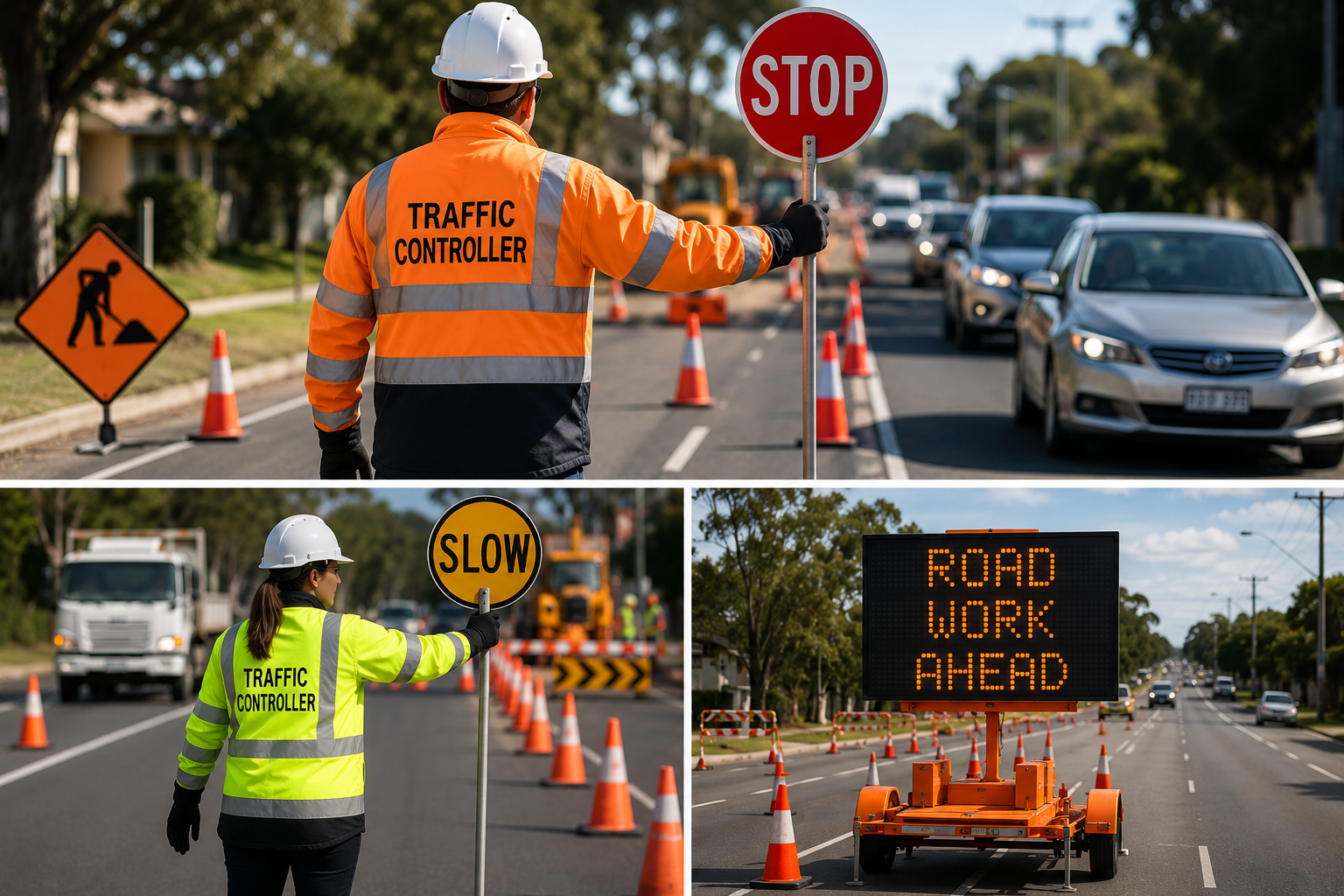
The Importance of Qualified Traffic Controllers
Hiring qualified traffic controllers is one of the most effective ways to reduce workplace risks. Properly trained professionals understand traffic regulations, hazard identification, and emergency procedures that protect everyone within and around a work zone.
Qualified traffic controllers help:
Reduce the likelihood of vehicle collisions
Protect construction crews and equipment
Maintain efficient traffic movement
Improve pedestrian safety
Support emergency vehicle access
Minimize project delays
Ensure compliance with Australian safety regulations
Every traffic management plan relies on competent personnel who can make quick, informed decisions while maintaining clear communication with motorists and workers.
Core Responsibilities of Traffic Control Personnels
Professional Traffic Control Personnels perform a wide range of responsibilities before, during, and after every project.
Traffic Direction
Controllers safely guide vehicles through temporary traffic arrangements using approved traffic control devices and communication techniques.
Pedestrian Management
They ensure that pedestrians are safely redirected around work areas without entering hazardous zones.
Site Monitoring
Traffic conditions constantly change. Controllers continuously assess traffic flow and adjust their approach whenever necessary.
Hazard Identification
Potential risks such as poor visibility, heavy vehicle movements, adverse weather, or unexpected road user behaviour are quickly identified and managed.
Communication
Traffic personnel maintain continuous communication with supervisors, equipment operators, and fellow controllers to coordinate site activities safely.
Emergency Response
When incidents occur, experienced personnel implement emergency traffic procedures immediately to minimize danger and restore safe traffic flow.
Why Professional Traffic Management Matters
Effective traffic management provides benefits that extend well beyond compliance.
Improved Public Safety
The primary objective is protecting everyone who interacts with the work zone. Proper traffic control significantly reduces accidents involving motorists, cyclists, pedestrians, and workers.
Efficient Traffic Flow
Delays frustrate road users and increase project costs. Professional traffic control minimizes congestion by maintaining organized vehicle movement.
Reduced Project Downtime
Well-managed traffic allows construction teams to work safely without unnecessary interruptions caused by uncontrolled vehicle movements.
Legal Compliance
Australian traffic management regulations require strict adherence to approved procedures. Professional traffic personnel help ensure every worksite meets relevant standards.
Positive Public Perception
Well-organized traffic management demonstrates professionalism and commitment to community safety, enhancing the reputation of contractors and project owners.
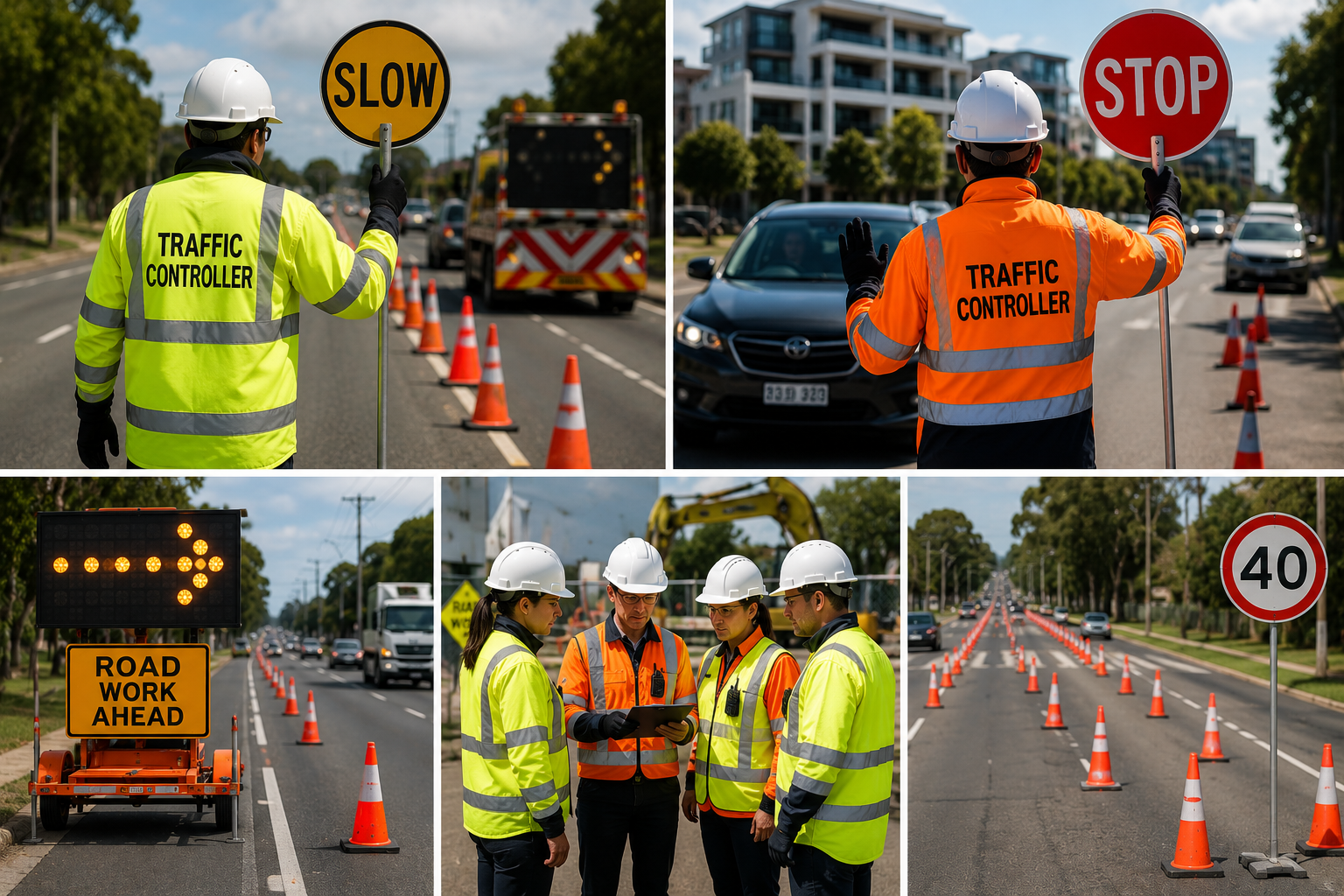
Industries That Depend on Traffic Control Personnels
Many industries rely on experienced Traffic Control Personnels every day.
Road Construction
Road upgrades, resurfacing, and maintenance require safe lane closures and temporary traffic diversions.
Civil Construction
Major infrastructure developments depend on coordinated traffic management throughout project stages.
Utilities
Electricity, gas, water, sewer, and telecommunications providers require traffic control during maintenance and emergency repairs.
Local Government
Councils regularly require traffic management for road works, community events, and public infrastructure projects.
Mining
Mining operations involve heavy machinery and transport vehicles that require controlled access to maintain safety.
Special Events
Concerts, sporting events, parades, and festivals rely on traffic personnel to manage increased vehicle and pedestrian movement safely.
Skills Every Qualified Traffic Controller Should Possess
The effectiveness of traffic management depends on the knowledge and professionalism of individual controllers.
Essential skills include:
Strong communication abilities
Situational awareness
Quick decision-making
Problem-solving skills
Attention to detail
Physical endurance
Knowledge of Australian traffic regulations
Risk assessment capabilities
Teamwork
Professional customer service
These skills enable controllers to respond confidently under pressure while maintaining a safe environment for everyone.
Traffic Management Equipment Used by Traffic Control Personnels
Professional traffic management involves far more than handheld signs.
Common equipment includes:
Stop/Slow bats
Traffic cones
Delineator posts
Temporary road signs
Water-filled barriers
Portable traffic signals
Arrow boards
Variable Message Signs (VMS)
Flashing warning lights
Safety barriers
High-visibility PPE
Two-way communication radios
Proper use of this equipment ensures drivers receive clear guidance well before entering work zones.
Benefits of Hiring Experienced Traffic Control Personnels
Choosing experienced Traffic Control Personnels provides long-term value for every project.
Enhanced Workplace Safety
Experienced personnel recognize hazards before they become serious incidents.
Greater Productivity
Construction crews can work more efficiently when traffic is safely managed.
Lower Risk of Accidents
Professional traffic management helps prevent costly vehicle collisions and workplace injuries.
Regulatory Compliance
Projects remain compliant with Australian standards and workplace safety requirements.
Reduced Insurance Risks
Proper traffic management can help reduce liability exposure associated with workplace incidents.
Professional Project Delivery
Well-organized traffic management contributes to smoother project execution from start to finish.
How Traffic Control Personnels Support Large Infrastructure Projects
Major infrastructure developments involve multiple contractors, heavy equipment, changing traffic conditions, and large numbers of workers.
Professional traffic personnel assist by:
Managing lane closures
Coordinating vehicle access
Directing heavy machinery movements
Protecting pedestrian pathways
Maintaining emergency access routes
Supporting staged construction activities
Monitoring traffic throughout changing project phases
Their expertise helps large projects progress safely while minimizing disruption to surrounding communities.
Why Training and Certification Matter
Every traffic controller should possess the appropriate training required for Australian work environments.
Continuous professional development ensures personnel remain current with:
Updated safety legislation
Traffic management standards
New traffic control technologies
Emergency response procedures
Workplace safety practices
Employing trained professionals gives clients confidence that every traffic management operation meets industry expectations.
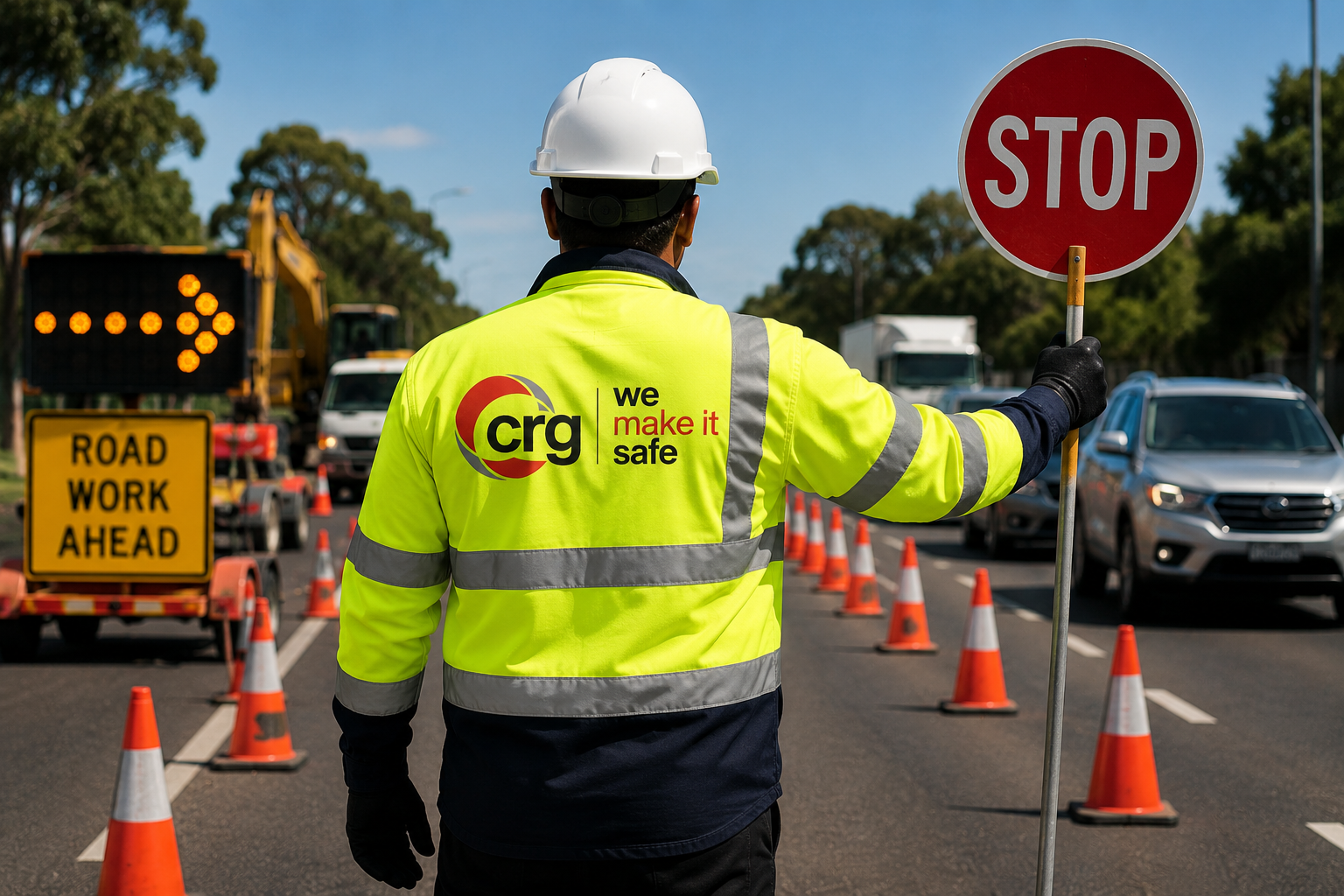
Choosing the Right Traffic Management Partner
Selecting a reliable traffic management provider is essential for project success.
When evaluating providers, consider:
Industry experience
Qualified workforce
Strong safety record
Comprehensive traffic management planning
Modern equipment
Regulatory knowledge
Responsive customer service
Ability to manage projects of all sizes
An experienced provider delivers customized traffic management solutions that align with project requirements while maintaining the highest safety standards.
The Future of Traffic Control Personnels
As infrastructure projects continue to expand across Australia, demand for skilled traffic management professionals will continue to grow.
Emerging technologies such as intelligent traffic monitoring, digital communication systems, portable smart traffic signals, and real-time traffic analysis are enhancing traditional traffic management practices. However, technology cannot replace the experience, judgment, and adaptability that trained professionals bring to complex worksites.
Experienced traffic personnel remain the foundation of safe traffic management, ensuring projects are completed efficiently while protecting workers and the public.
Conclusion
Professional Traffic Control Personnels play a vital role in maintaining safety, efficiency, and compliance across construction sites, infrastructure developments, utility works, mining operations, and public events. Their expertise reduces risks, improves traffic flow, protects workers, and helps projects stay on schedule.
By employing qualified traffic controllers, organizations demonstrate a commitment to safety, operational excellence, and regulatory compliance. From planning and implementation to on-site traffic coordination, experienced traffic professionals provide the knowledge and practical skills needed to manage even the most challenging traffic environments with confidence.