

Qualified Traffic Controllers and Effective Traffic Management Plans
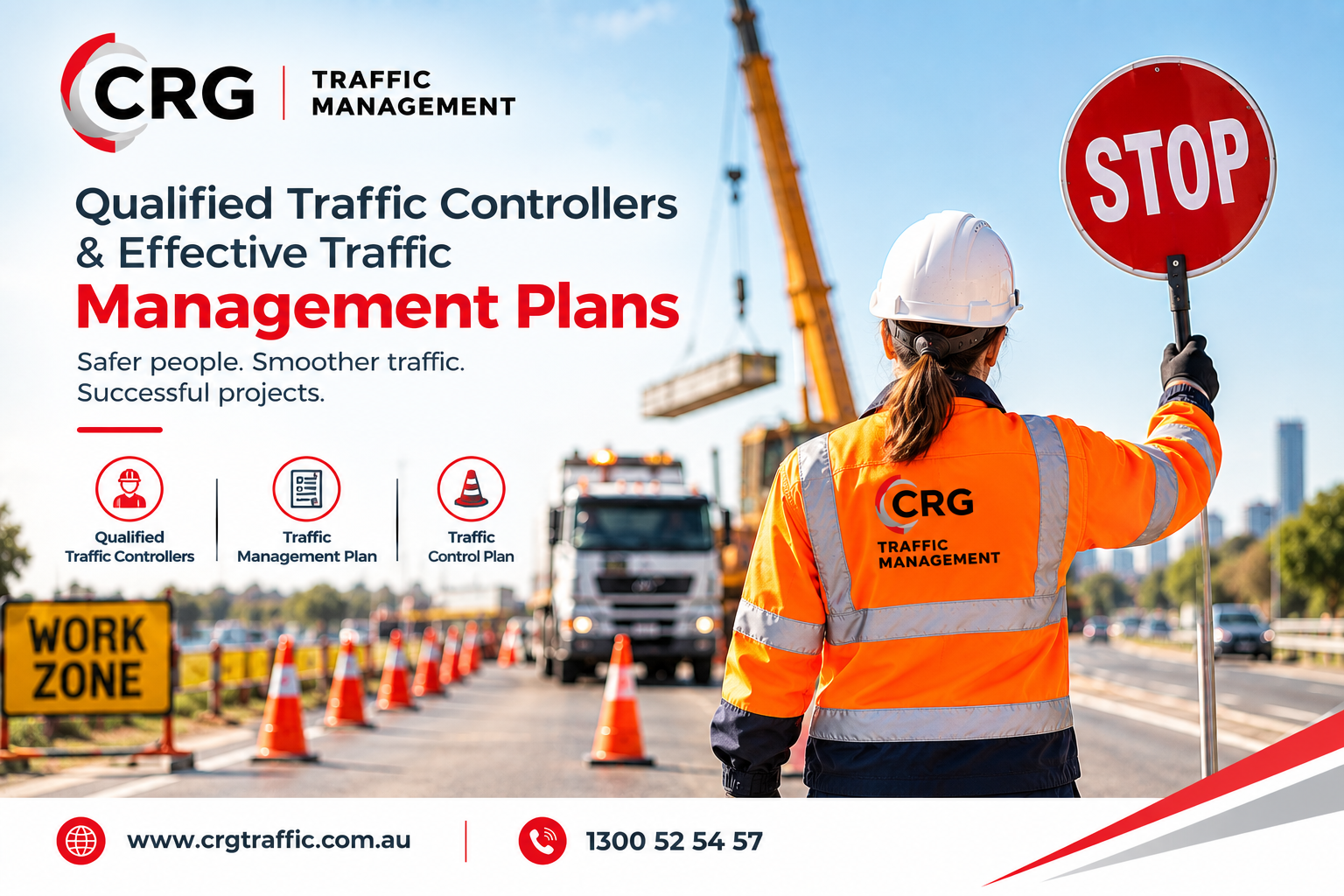
Roadworks and construction projects can quickly affect the way vehicles and pedestrians move around a worksite. Whether a project involves a road closure, lane reduction, construction access, or temporary footpath changes, careful planning is needed to keep the area organised. Qualified traffic controllers and a well-prepared traffic management plan can make a real difference.
Traffic management is not simply about placing cones and signs around a work area. It involves understanding the site, identifying potential risks, planning how traffic will move and making sure the controls are implemented properly. For contractors and businesses working across Perth and Western Australia, professional traffic management can help create safer and more organised work zones.
Why Qualified Traffic Controllers Matter
Traffic controllers work in environments where conditions can change throughout the day. They may be required to manage vehicles near construction sites, assist with temporary lane restrictions, control access points or help pedestrians move safely around a work area.
Qualified traffic controllers have the appropriate training and knowledge to perform their responsibilities in accordance with the requirements applicable to their work.
Their role can include:
Directing traffic around temporary work zones
Managing vehicle entry and exit points
Supporting temporary lane closures
Assisting pedestrians around affected areas
Communicating with site supervisors
Monitoring changing traffic conditions
Helping maintain separation between traffic and workers
Having trained personnel on site can make traffic movements more predictable and easier for road users to understand.
What Is a Traffic Management Plan?
A traffic management plan is a structured document that explains how traffic and other road users will be managed around a worksite or activity.
The details depend on the project. A small job on a local road may have different requirements from a major construction project affecting several lanes or an important intersection.
A traffic management plan may consider:
Vehicle Movements
The plan can identify how vehicles will approach, pass and leave the work area. Construction vehicles may also require dedicated entry and exit arrangements.
Pedestrian Access
If construction affects a footpath, crossing or shared path, the plan should consider how pedestrians can move through or around the affected area.
Traffic Flow
Temporary changes to lanes, road access or traffic direction need to be considered so drivers receive clear and consistent information.
Worksite Access
Construction crews, suppliers and other authorised vehicles need practical access without creating unnecessary conflicts with public traffic.
Safety Controls
Signs, barriers, cones, traffic controllers and other controls can be considered according to the requirements of the particular site.
Why Planning Before Work Begins Is Important
One of the biggest advantages of preparing a traffic management plan early is that potential problems can be identified before construction begins.
A site assessment can reveal issues that may not be obvious from a basic project layout. Nearby driveways, intersections, schools, businesses, public transport stops and pedestrian routes can all influence how traffic should be managed.
Planning also allows contractors to coordinate traffic requirements with the construction schedule.
For example, a project may start with one lane affected but later require a larger work area. Planning for different stages can make these transitions easier to manage.
Understanding the Traffic Control Plan
A traffic control plan focuses on the practical traffic controls required at a particular work area or stage of a project.
It can show how traffic will be guided through or around the work zone and where relevant signs, barriers, cones and other traffic control devices will be positioned.
The traffic control arrangement should make sense to the people using the road.
Drivers should receive information early enough to understand what is changing. Pedestrians should have clear directions when their usual route is affected. Workers should also understand the boundaries of the controlled area.
A well-considered traffic control plan supports the wider traffic management strategy rather than being treated as an isolated part of the project.
Traffic Controllers and Site Communication
Traffic controllers are most effective when they are properly connected with the wider project team.
Construction supervisors, traffic controllers, crane operators, delivery drivers and other workers may all need to coordinate their activities.
For example, if a large vehicle needs to enter the site while traffic is moving nearby, the traffic controller and site team need to understand the timing and access requirements.
Similarly, if the work area changes during the day, the traffic controls may need to be reviewed.
Good communication helps ensure that what is happening on site matches the planned traffic arrangement.
Managing Pedestrians Around Construction Sites
Pedestrian safety deserves particular attention because people do not always behave like vehicles.
A driver generally follows the roadway, while pedestrians may change direction, stop unexpectedly or take a shortcut if a route is unclear.
When construction affects a footpath or pedestrian crossing, alternative routes should be easy to identify.
Barriers and signs can help guide pedestrians away from construction activities. Where pedestrians and vehicles need to interact, appropriate controls can help manage the movement.
This becomes especially important near shopping areas, schools, public transport facilities and busy commercial locations.
Adapting to Changing Traffic Conditions
Traffic conditions are rarely identical throughout an entire project.
Morning and afternoon peak periods can produce different traffic volumes. Weather can affect visibility, while unexpected incidents can change traffic patterns.
Construction activities can also change as the project progresses.
For this reason, traffic management should be monitored throughout the work rather than treated as a one-time task.
If conditions change significantly, the traffic arrangement may need to be reviewed to make sure it remains appropriate for the site.
Traffic Management for Different Types of Projects
Professional traffic management can be useful across many different types of work.
Roadworks
Road maintenance and upgrades often require temporary lane restrictions, traffic control and pedestrian management.
Construction Projects
Building projects may involve regular deliveries, heavy vehicles and temporary changes to surrounding access.
Infrastructure Projects
Large infrastructure works can affect multiple roads, intersections and transport routes, requiring more detailed coordination.
Utility Works
Drainage, electrical, telecommunications and other utility projects may require temporary access restrictions while crews work within or beside the road reserve.
Events
Events can create temporary increases in vehicle and pedestrian movements and may require dedicated traffic arrangements.
Each project needs to be assessed according to its location, activities and impact on surrounding road users.
Choosing a Traffic Management Provider
When selecting a traffic management company, contractors should look beyond the number of traffic controllers available.
Experience, planning capability, communication and understanding of worksite conditions are all important.
A good provider should be able to understand the project requirements and work with the wider construction team. It should also be able to respond when site conditions change.
For a project in Perth, working with a company familiar with local roads and construction environments can provide useful practical knowledge during the planning process.
How CRG Traffic Management Can Help
CRG Traffic Management provides traffic management services for construction projects, roadworks, infrastructure works and other activities that affect traffic and pedestrian movements.
The team can assist with traffic management planning and on-site traffic control, with an emphasis on creating practical arrangements suited to individual project conditions.
From the initial planning stage through to implementation, having experienced traffic professionals involved can help contractors better manage vehicle movements, pedestrian access and worksite safety.
The objective is to support the project while helping reduce unnecessary disruption to surrounding road users.
Final Thoughts
Successful traffic management begins with good planning and continues with effective implementation on site. Qualified traffic controllers provide an important link between the traffic plan and real-world conditions, helping manage vehicle and pedestrian movements as work progresses.
A carefully prepared traffic management plan can establish the overall approach, while a practical traffic control plan can provide the specific controls needed around the work area.
For contractors and businesses planning work in Perth and across Western Australia, involving an experienced traffic management provider early can help identify potential challenges, improve coordination and create a more organised environment for workers and the public.