

A Traffic Management Plan (TMP) is one of the most important elements of any project involving roadworks, construction, maintenance, infrastructure upgrades, utility installations, or public events. A well-prepared plan helps maintain the safe movement of vehicles, pedestrians, cyclists, and workers while reducing disruptions and ensuring compliance with Australian traffic management standards.
Whether managing a small roadside maintenance project or a large-scale infrastructure development, careful planning can significantly reduce risks, improve operational efficiency, and keep projects running on schedule. Every site presents unique challenges, making it essential to develop a traffic management plan tailored to the specific conditions and requirements.
This guide outlines practical tips for creating an effective traffic management plan that prioritises safety, efficiency, and compliance.
What Is a Traffic Management Plan?
A Traffic Management Plan is a documented strategy that explains how traffic will be safely controlled around a worksite or event. It identifies potential hazards, outlines traffic control measures, and provides clear instructions for managing vehicle and pedestrian movements throughout the project.
An effective TMP includes:
Site-specific traffic control measures
Road user safety procedures
Pedestrian management strategies
Emergency access arrangements
Signage and traffic control device placement
Roles and responsibilities of traffic controllers
Risk management procedures
A comprehensive plan ensures that everyone involved understands how traffic will be managed before work begins.
Start with a Detailed Site Assessment
Every successful traffic management plan begins with a thorough site assessment.
Before developing the plan, evaluate:
Road type and speed limits
Traffic volumes during different times of the day
Nearby intersections
Public transport routes
School zones
Pedestrian activity
Cyclist access
Visibility issues
Existing road signs
Environmental conditions
Collecting accurate site information allows planners to identify potential risks before they become problems.
A detailed assessment also helps determine the most suitable traffic control measures for the location.
Identify Every Potential Hazard
Hazard identification is essential for preventing incidents.
Common hazards include:
High-speed traffic
Blind corners
Heavy vehicles
Limited shoulder space
Poor lighting
Wet weather
Narrow roads
Busy pedestrian crossings
Temporary lane closures
Construction machinery
Each identified hazard should include practical control measures designed to minimise risks for workers and road users.
Understand Traffic Flow Patterns
Understanding how vehicles move through the area helps create realistic traffic control arrangements.
Analyse:
Peak traffic periods
Weekend traffic
Commercial vehicle movements
Public transport schedules
School traffic
Event traffic
Emergency vehicle routes
Planning around existing traffic patterns reduces unnecessary congestion and improves road safety.
Design Clear Traffic Control Measures
Traffic control measures should be easy for drivers to understand.
A well-designed plan includes:
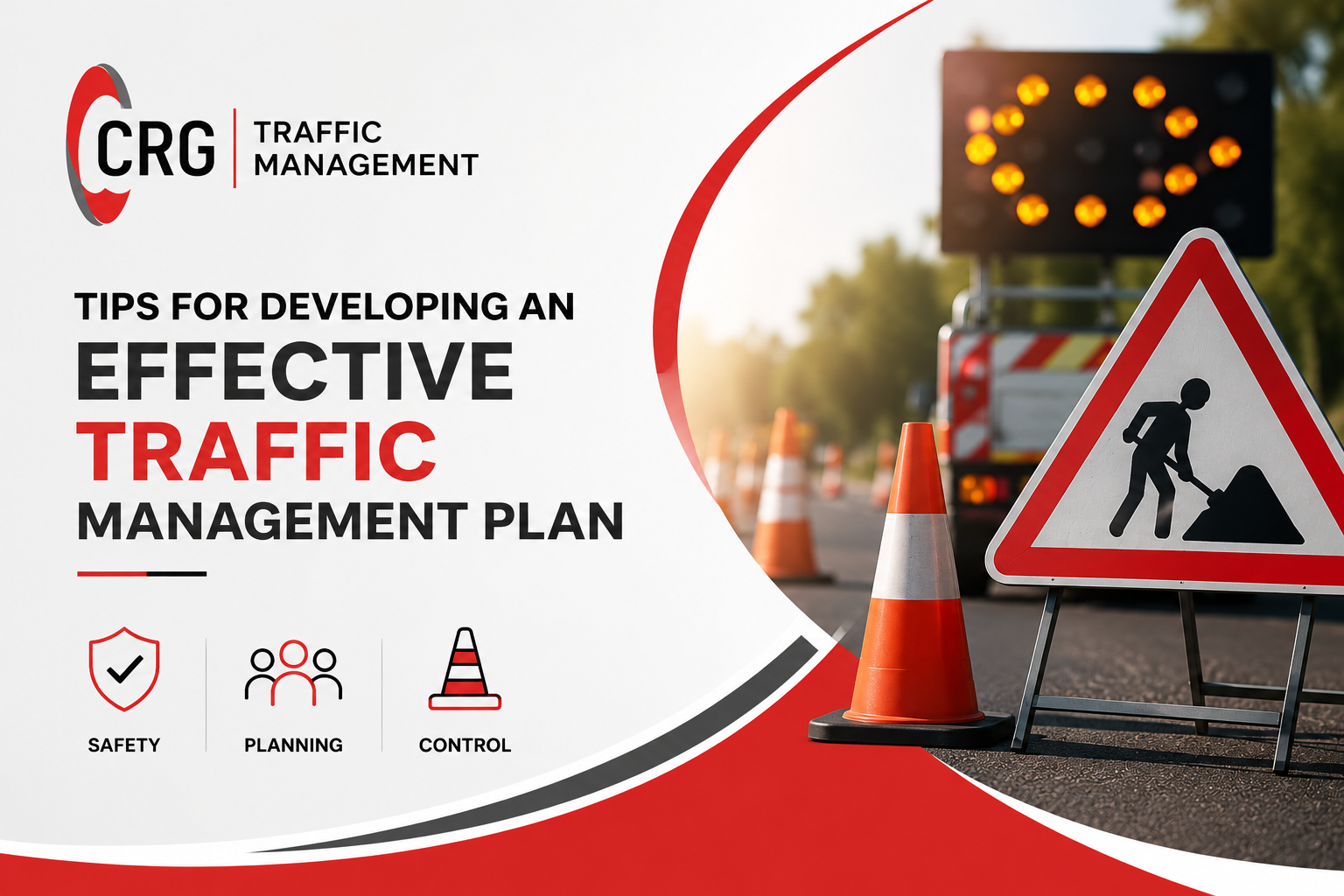
Advance warning signs
Speed reduction zones
Lane closure layouts
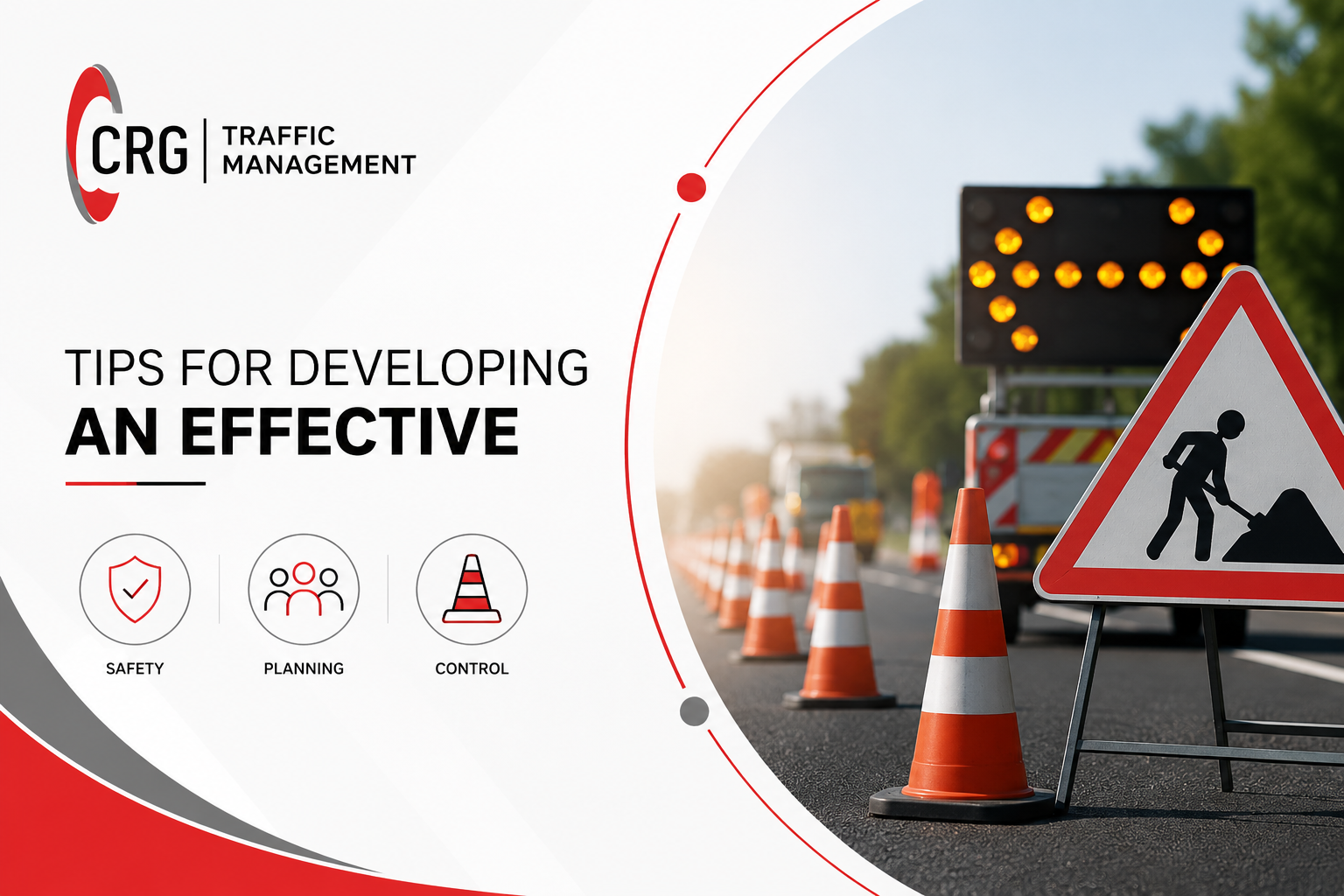
Traffic cones
Barriers
Delineators
Arrow boards
Portable traffic signals
Qualified traffic controllers
Each device should be positioned correctly to provide drivers with enough time to react safely.
Consistency is critical because confusing layouts increase accident risks.
Prioritise Pedestrian Safety
Pedestrian management is often overlooked, yet it is one of the most important aspects of a traffic management plan.
Safe pedestrian access should include:
Clearly marked walkways
Temporary footpaths
Protective barriers
Accessible routes
Crossing points
Appropriate signage
Lighting where required
Special attention should be given to children, elderly pedestrians, and individuals with disabilities.
Maintaining safe pedestrian movement helps reduce accidents and improves public confidence around work zones.
Plan for Emergency Access
Emergency vehicles must always have access to the site.
The traffic management plan should identify:
Emergency access routes
Contact personnel
Evacuation procedures
Assembly areas
Alternative traffic routes
Incident response processes
Planning for emergencies ensures quick responses without creating additional hazards.
Use Qualified Traffic Controllers
Even the best traffic management plan depends on proper implementation.
Qualified traffic controllers play a critical role by:
Directing traffic safely
Monitoring traffic conditions
Responding to changing site conditions
Communicating with construction teams
Assisting emergency services
Maintaining safe vehicle flow
Their experience allows them to identify risks quickly and adapt traffic control measures when necessary.
Choose Appropriate Signage
Traffic signs should provide clear instructions well before drivers reach the work area.
Typical signage includes:
Road work ahead
Lane closed
Prepare to stop
Speed reductions
Detour directions
Pedestrian information
Traffic controller ahead
Signs should be:
Highly visible
Correctly spaced
Clean
Easy to read
Installed according to Australian standards
Proper signage significantly improves driver awareness.
Minimise Traffic Disruptions
Reducing delays benefits both the public and project teams.
Strategies include:
Scheduling works during off-peak hours
Using temporary lane closures only when necessary
Coordinating with local authorities
Providing clear detour routes
Maintaining communication with nearby businesses
Careful scheduling helps reduce congestion while improving overall project efficiency.
Prepare for Changing Conditions
Traffic conditions can change quickly due to:
Weather
Accidents
Equipment breakdowns
Increased traffic volumes
Emergency situations
An effective traffic management plan should remain flexible.
Regular site monitoring allows adjustments to be made whenever conditions change.
Maintain Effective Communication
Successful traffic management relies on clear communication between all stakeholders.
Communication should include:
Project managers
Traffic controllers
Site supervisors
Local authorities
Emergency services
Utility providers
Nearby businesses
Residents
Regular updates help prevent misunderstandings and ensure everyone remains informed throughout the project.
Conduct Regular Site Inspections
Traffic management should never remain static.
Routine inspections help verify that:
Signs remain visible
Barriers are correctly positioned
Traffic controllers are operating safely
Temporary devices remain effective
New hazards are identified
Frequent inspections improve safety while maintaining compliance with project requirements.
Review and Update the Plan
A traffic management plan should evolve throughout the project.
Updates may be required when:
Project stages change
Road layouts change
New equipment arrives
Traffic volumes increase
Weather conditions change
Additional risks are identified
Regular reviews help maintain effective traffic control from project commencement through completion.
Ensure Compliance with Australian Standards
Compliance remains a critical component of every traffic management plan.
Projects should follow relevant Australian standards, local government requirements, and workplace safety regulations. Compliance protects workers, road users, contractors, and project owners while reducing legal and operational risks.
Proper documentation also demonstrates that traffic management has been planned and implemented responsibly.
Leverage Technology for Better Traffic Management
Modern technology has transformed traffic management practices.
Useful technologies include:
Portable traffic signal systems
Digital message boards
GPS fleet monitoring
Real-time traffic monitoring
Drone site inspections
Smart work zone technology
These tools improve decision-making while allowing quicker responses to changing site conditions.
Work with Experienced Traffic Management Professionals
Traffic management requires specialised knowledge, practical experience, and careful planning.
Working with experienced professionals helps ensure:
Accurate site assessments
Compliant traffic management plans
Effective risk management
Safe work environments
Efficient project delivery
Reduced disruption to the public
Professional expertise contributes significantly to smoother project operations and improved road safety.
Conclusion
Developing an effective Traffic Management Plan requires careful planning, thorough site assessments, hazard identification, clear traffic control measures, and ongoing monitoring. Every project presents different challenges, making a site-specific approach essential for maintaining safe and efficient traffic movement.
By prioritising worker safety, protecting road users, maintaining clear communication, and adapting to changing conditions, organisations can minimise risks while keeping projects on schedule. Investing time in creating a comprehensive traffic management plan leads to safer roads, improved operational efficiency, and better outcomes for everyone involved.
At CRG Traffic Management, we understand the importance of delivering reliable, compliant, and practical traffic management solutions across Perth and Western Australia. Our experienced team develops site-specific traffic management plans that prioritise safety, minimise disruption, and support the successful completion of construction projects, roadworks, utilities, and special events. Whether your project is large or small, we are committed to helping you manage traffic safely and efficiently.