

The Role of Truck-Mounted Attenuators in Traffic Management: Enhancing Road Safety
Roadwork zones are essential for maintaining and improving Australia's transport network. However, they also present significant risks for workers and motorists. Construction crews, maintenance teams, and utility workers often perform their duties only metres away from moving traffic. Although warning signs, cones, and barriers help guide vehicles safely, they cannot completely eliminate the risk of collisions.
Driver distraction, speeding, fatigue, and poor weather conditions can quickly turn a routine maintenance project into a serious incident. Therefore, additional safety measures are necessary to protect both road workers and the travelling public. One of the most effective solutions used today is Truck-Mounted Attenuators.
Truck-Mounted Attenuators are specially designed impact-absorbing devices fitted to the rear of heavy vehicles. Their purpose is to reduce the force of a rear-end collision before it reaches workers, equipment, or the support vehicle. As a result, they have become an essential component of modern traffic management strategies throughout Australia.
Whether crews are repairing roads, managing lane closures, or responding to emergencies, Truck-Mounted Attenuators provide a reliable safety barrier that helps minimise injuries and property damage. As Australia's road infrastructure continues to expand, these protective systems are becoming increasingly important for creating safer and more efficient work zones.
What Are Truck-Mounted Attenuators?
Truck-Mounted Attenuators are energy-absorbing crash cushions installed on the rear of heavy-duty support vehicles. They are specifically engineered to reduce the impact of vehicles that accidentally enter a work zone and collide with maintenance trucks.
Unlike a standard work vehicle, a truck fitted with an attenuator acts as a protective shield for workers operating ahead of it. The device absorbs crash energy through controlled deformation, allowing the striking vehicle to slow down more gradually. Consequently, the force transferred to workers and equipment is significantly reduced.
Modern Truck-Mounted Attenuators are built using advanced engineering principles and high-strength materials. They undergo rigorous testing to ensure they perform effectively during real-world collision scenarios. Their reliability has made them a trusted safety solution for road authorities and traffic management companies across Australia.
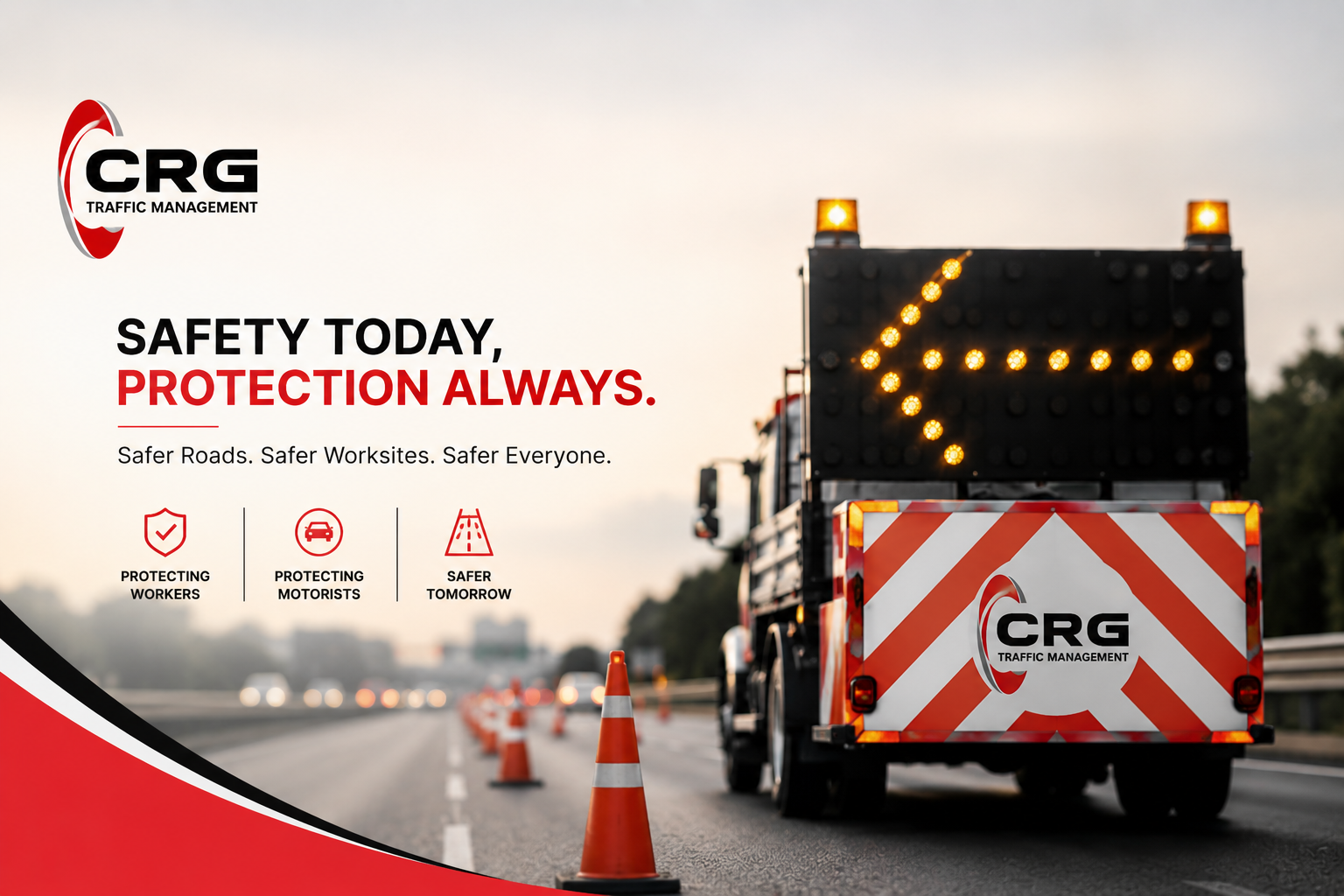
Why Truck-Mounted Attenuators Are Essential in Traffic Management
Every temporary work zone introduces new challenges for drivers. Reduced speed limits, lane closures, temporary signs, and changing traffic patterns require motorists to stay alert. Unfortunately, not every driver responds appropriately. Some become distracted, while others fail to notice warning signs until it is too late.
This is where Truck-Mounted Attenuators play a vital role in traffic management.
Rather than relying solely on signs and barriers, these safety devices provide physical protection against vehicle impacts. They create a buffer zone between live traffic and road workers, reducing the likelihood of severe injuries if a collision occurs.
Their role extends beyond worker protection. They also improve overall traffic safety by reducing the severity of crashes involving maintenance vehicles. Consequently, both motorists and road crews benefit from safer working conditions.
In addition, many road authorities recommend or require the use of Truck-Mounted Attenuators during high-risk roadwork activities. Their inclusion demonstrates a strong commitment to workplace safety and responsible traffic management practices.
How Truck-Mounted Attenuators Work
Although they appear simple from the outside, Truck-Mounted Attenuators are carefully engineered safety devices.
When a vehicle strikes the rear of the attenuator, the structure compresses in a controlled sequence. Instead of allowing the full collision force to transfer directly to the support truck, the device absorbs much of the impact energy.
This controlled energy absorption slows the striking vehicle more gradually than a direct impact would. As a result, occupants often experience fewer injuries, while the support vehicle remains more stable.
At the same time, the workers positioned ahead of the truck receive greater protection because the maintenance vehicle absorbs far less force.
This technology has saved countless lives in temporary traffic control operations. Therefore, Truck-Mounted Attenuators continue to play a crucial role in improving road safety throughout Australia.
Key Benefits of Truck-Mounted Attenuators
Enhanced Protection for Road Workers
Road workers perform essential tasks under demanding conditions every day. They often operate close to live traffic while carrying out repairs, inspections, or maintenance activities.
Truck-Mounted Attenuators create a strong protective barrier between workers and approaching vehicles. Consequently, they significantly reduce the risk of serious injury caused by rear-end collisions.
This added level of protection allows maintenance crews to work more confidently and efficiently.
Improved Safety for Motorists
Truck-Mounted Attenuators protect more than just workers.
Drivers who accidentally enter a work zone also benefit from the device's impact-absorbing design. Instead of colliding directly with a rigid maintenance truck, the attenuator reduces the collision forces.
As a result, the chances of severe injuries are greatly reduced.
This dual protection makes Truck-Mounted Attenuators one of the most valuable safety investments in temporary traffic control.
Reduced Damage to Equipment
Road maintenance vehicles carry specialised machinery, tools, and expensive equipment. A rear-end collision can cause major damage, resulting in costly repairs and project delays.
Truck-Mounted Attenuators absorb much of the crash energy before it reaches the maintenance vehicle. Therefore, repair costs are often lower, and operations can resume more quickly after an incident.
Supports Australian Safety Standards
Australian road authorities place a strong emphasis on workplace safety and effective traffic control.
Truck-Mounted Attenuators help contractors meet industry requirements while demonstrating compliance with recognised traffic management standards.
Their use also shows clients and stakeholders that worker safety remains a top priority throughout every project.
Where Truck-Mounted Attenuators Are Commonly Used
Truck-Mounted Attenuators are suitable for a wide range of roadwork and infrastructure projects.
They are commonly used for:
Highway maintenance
Freeway resurfacing projects
Road rehabilitation works
Utility maintenance
Bridge repairs
Road line marking
Asphalt paving operations
Emergency incident response
Temporary lane closures
Shoulder maintenance
Vegetation control near roads
Traffic control operations
Each work environment presents unique risks. However, Truck-Mounted Attenuators consistently provide an extra layer of protection that improves overall work zone safety.
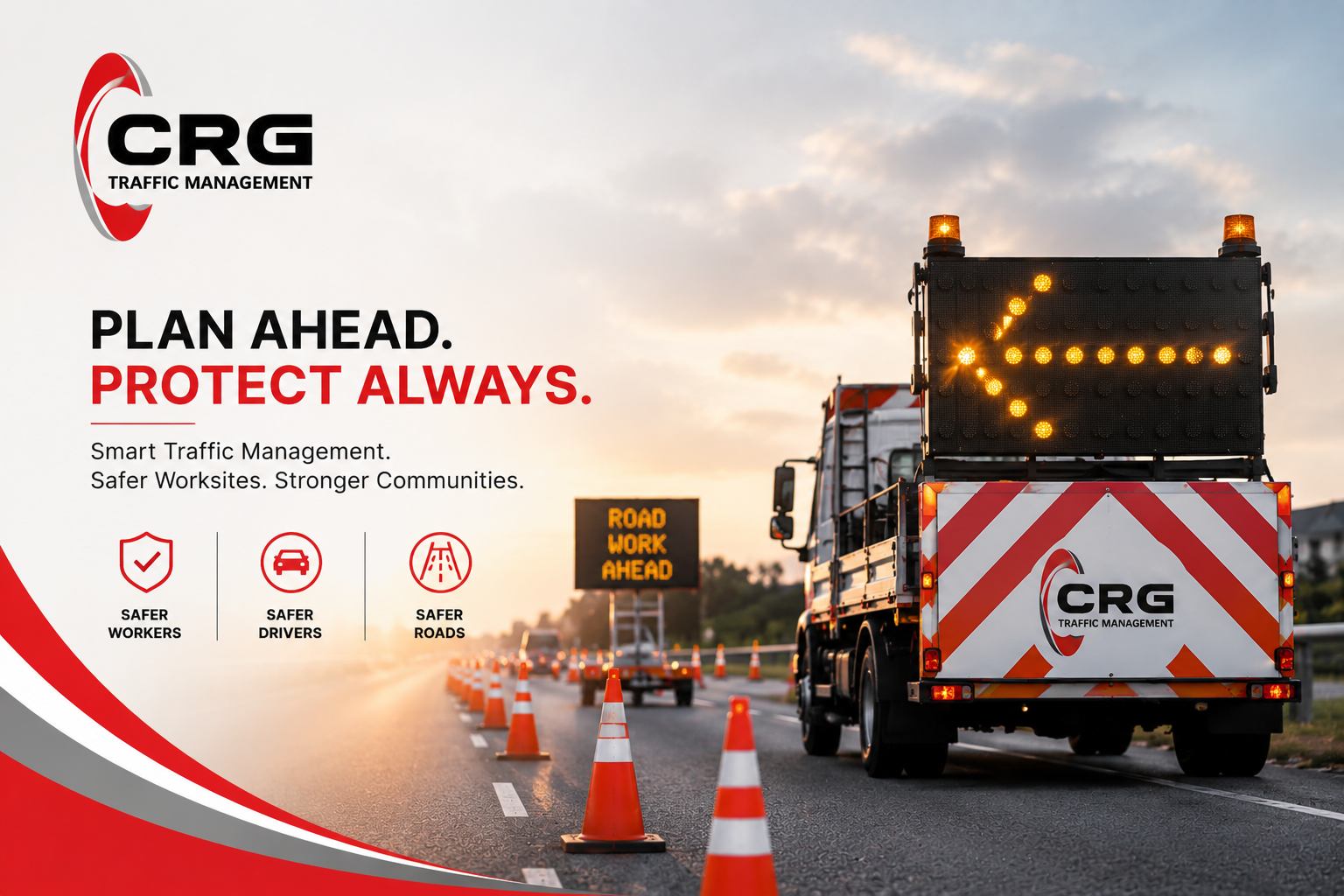
The Relationship Between Truck-Mounted Attenuators and Traffic Management
Successful traffic management involves much more than directing vehicles around a work zone. It requires careful planning, risk assessment, qualified personnel, and proven safety equipment.
Truck-Mounted Attenuators form an important part of this broader safety strategy.
When combined with warning signs, traffic cones, portable message boards, speed reductions, and qualified traffic controllers, they help create a safer environment for everyone on the road.
Rather than reacting after an accident occurs, effective traffic management focuses on preventing serious incidents before they happen. Truck-Mounted Attenuators support this objective by providing physical protection against unexpected vehicle impacts.
For this reason, they have become an essential safety solution for modern road maintenance and traffic management operations across Australia.
Choosing the Right Truck-Mounted Attenuator
Selecting the right Truck-Mounted Attenuator is essential for maintaining a safe work zone. Every road project has different requirements. Therefore, the chosen attenuator should match the site's traffic conditions, vehicle speeds, and operational risks.
Several factors influence the selection process, including:
Speed limit of the road
Traffic volume
Type of roadwork
Duration of the project
Vehicle weight and size
Road geometry
Local safety regulations
For example, a high-speed motorway requires a different level of protection than a suburban street. Likewise, long-term construction projects may need more robust safety measures than short-duration maintenance tasks.
Experienced traffic professionals carefully assess these factors before deploying Truck-Mounted Attenuators. This approach ensures the highest level of protection while supporting efficient traffic management throughout the project.
Best Practices for Using Truck-Mounted Attenuators
Even the best safety equipment must be used correctly to deliver maximum protection. Proper planning and regular inspections are essential for ensuring Truck-Mounted Attenuators perform as intended.
Some important best practices include:
Position the attenuator vehicle at the correct distance from the work area.
Inspect the equipment before every shift.
Replace damaged attenuators after any significant impact.
Ensure operators receive appropriate training.
Follow the approved traffic management plan.
Use additional warning signs and lighting where required.
Monitor changing road conditions throughout the project.
These practices reduce unnecessary risks while improving overall work zone safety.
The Importance of Truck-Mounted Attenuators During High-Speed Roadworks
High-speed roads present greater dangers than urban streets. Vehicles travelling at motorway speeds have much less time to react to changing traffic conditions. Consequently, even minor driver errors can lead to severe collisions.
Truck-Mounted Attenuators provide a critical safety buffer during these operations. They help absorb crash energy before it reaches maintenance vehicles or road workers.
This protection is particularly valuable during:
Freeway maintenance
Motorway resurfacing
Night roadworks
Emergency repairs
Lane closure operations
Bridge maintenance
Without adequate protection, high-speed impacts can cause devastating consequences. Therefore, Truck-Mounted Attenuators remain an essential safety measure for these environments.
Supporting Safer Traffic Management Across Australia
Road authorities across Australia continue to strengthen safety requirements for temporary work zones. As a result, contractors are expected to use reliable equipment that reduces risks for both workers and motorists.
Truck-Mounted Attenuators have become one of the most trusted solutions because they support safer traffic management while improving operational efficiency.
Their benefits extend beyond accident prevention. They also help maintain smoother traffic flow by reducing the severity of incidents that might otherwise cause lengthy road closures.
When combined with qualified traffic controllers, effective planning, and clear communication, Truck-Mounted Attenuators contribute to safer roads for everyone.
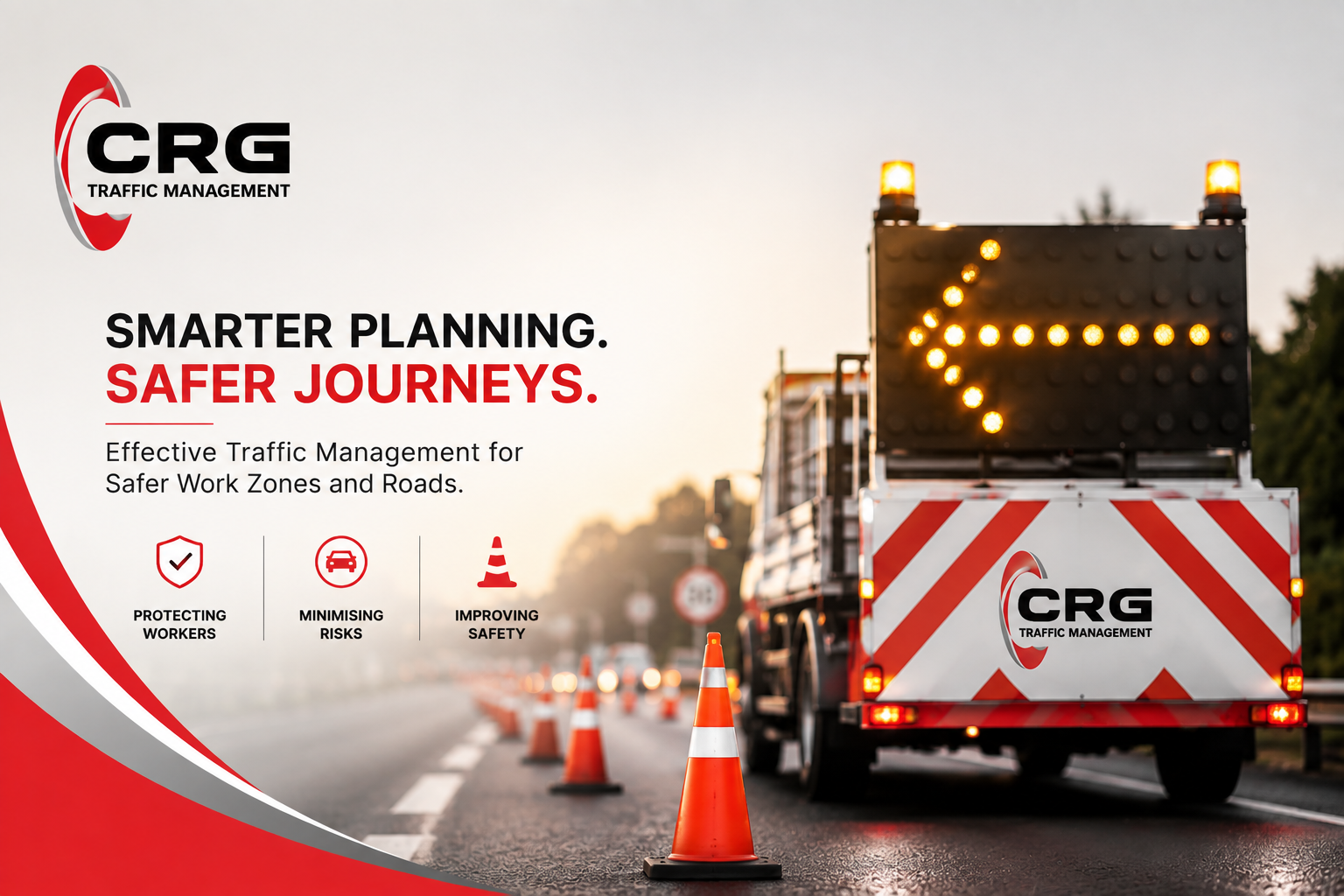
Technological Advancements in Truck-Mounted Attenuators
Safety technology continues to evolve, and Truck-Mounted Attenuators are becoming more advanced every year.
Modern systems now include improved impact-absorbing materials that provide greater crash performance while reducing maintenance requirements.
Many support vehicles also feature:
High-visibility reflective markings
LED arrow boards
Variable message signs
Advanced warning lights
GPS fleet tracking
Remote monitoring systems
These technologies improve driver awareness well before they reach the work zone. Consequently, they reduce the likelihood of collisions and support more effective traffic management.
Future innovations are expected to include smarter monitoring systems and enhanced safety features that further improve work zone protection.
Common Mistakes to Avoid
Although Truck-Mounted Attenuators provide excellent protection, improper use can reduce their effectiveness.
Common mistakes include:
Positioning the support vehicle too close to workers.
Failing to inspect the attenuator before deployment.
Continuing to use damaged equipment after a collision.
Ignoring recommended safety distances.
Using the wrong attenuator for the road speed.
Neglecting worker training.
Poor work zone planning.
Avoiding these mistakes helps maximise safety while ensuring compliance with Australian traffic management requirements.
Why Professional Traffic Management Matters
Truck-Mounted Attenuators work best as part of a comprehensive traffic management strategy.
Professional planning considers every aspect of work zone safety, including:
Traffic flow analysis
Risk assessments
Vehicle movement planning
Lane closure design
Emergency response procedures
Worker safety measures
Public safety considerations
By combining experienced personnel with high-quality safety equipment, organisations can significantly reduce workplace hazards while improving project efficiency.
This integrated approach creates safer roads, protects workers, and minimises disruption for motorists.
Conclusion
Road maintenance and construction activities will always involve some level of risk. However, the right safety equipment can make a significant difference. Truck-Mounted Attenuators have become an essential part of modern road safety because they reduce the impact of collisions, protect road workers, and improve driver safety.
When integrated into a well-planned traffic management strategy, these devices create safer work zones while supporting efficient traffic flow. They also help contractors meet Australian safety standards and minimise costly project delays caused by accidents.
As Australia's road network continues to grow, the importance of Truck-Mounted Attenuators will only increase. Investing in proven safety solutions, combined with professional traffic management planning, ensures that every road project is completed with the highest possible level of protection for workers, motorists, and the wider community.