

The Importance of Effective Traffic Management in Perth's Growing Cityscape
Perth is growing rapidly, with new residential developments, road upgrades, construction projects, and public events taking place across the city. While these developments improve transport connections and create new opportunities, they also bring challenges for road users, pedestrians, construction workers, and local communities. Effective traffic management plays an important role in keeping people safe while allowing essential work to continue with minimal disruption.
For businesses, construction teams, and event organisers, planning traffic movements before work begins can make a significant difference. With the right approach, projects can run more smoothly, reduce unnecessary delays, and maintain safer conditions for everyone using the road.
Why Traffic Management Matters in a Growing City
As Perth continues to expand, more vehicles share the roads with cyclists, pedestrians, public transport, and heavy construction equipment. Roadworks and infrastructure upgrades can make busy routes even more difficult to navigate.
Without proper planning, temporary changes to traffic conditions may lead to confusion, congestion, and increased safety risks. A well-prepared traffic management approach helps road users understand where to travel, when to slow down, and how to move safely through or around a worksite.
Professional traffic management Perth services help address these challenges by organising vehicle movements, providing clear signage, managing pedestrian access, and supporting safe working conditions.
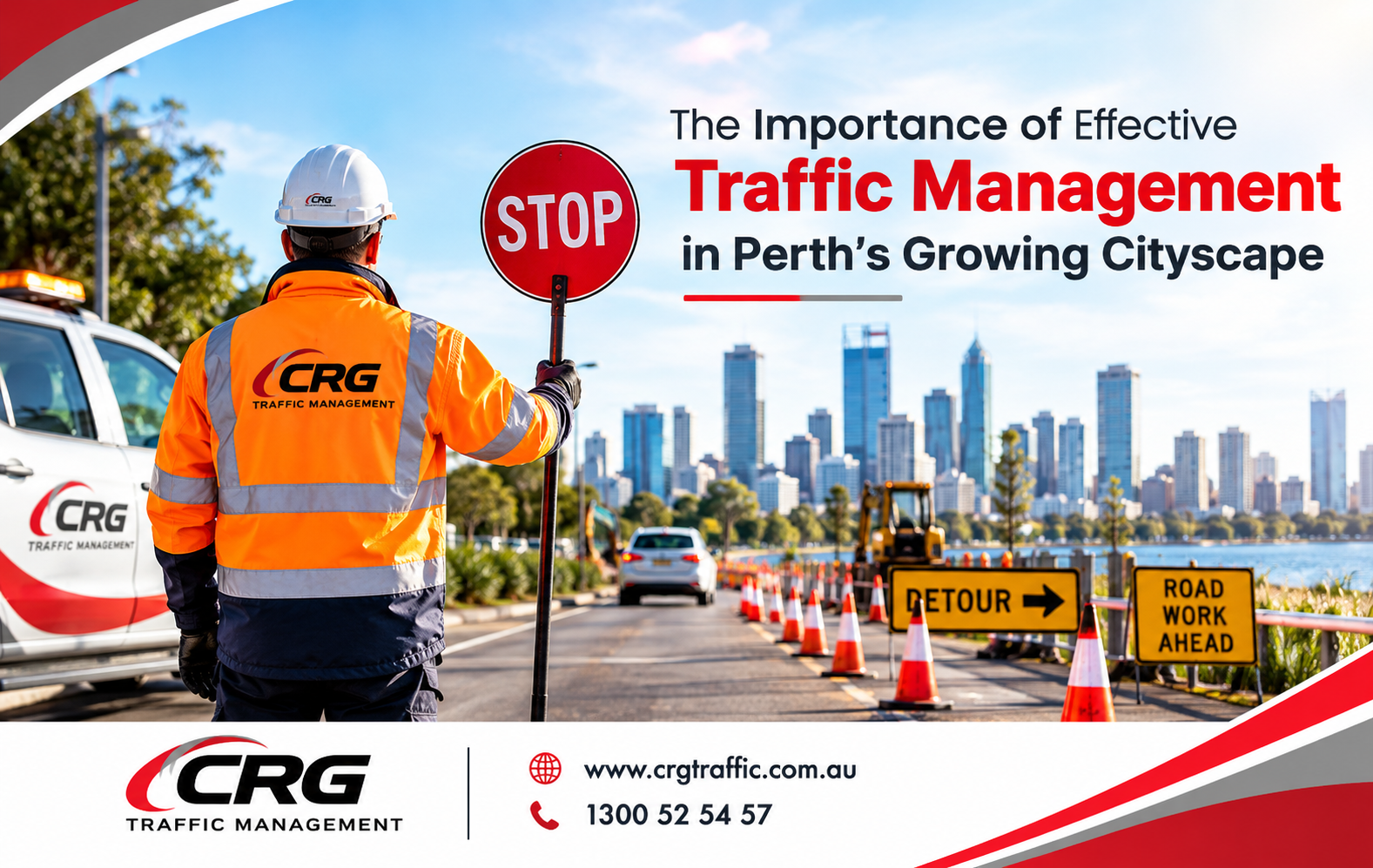
Improving Safety Around Roadworks and Construction Sites
Safety should always be a priority when work takes place near moving traffic. Construction workers often operate close to vehicles, machinery, and pedestrians, making proper traffic control essential.
A suitable traffic management arrangement may include temporary signs, cones, barriers, traffic controllers, and clearly marked work zones. These measures help separate work areas from moving traffic and guide drivers through changing road conditions.
Traffic controllers also help manage vehicle movements when lanes are restricted or access needs to be adjusted. Their presence can be particularly important at busy intersections, road closures, and construction entrances.
By assessing potential hazards before work begins, project teams can put appropriate controls in place and reduce the likelihood of avoidable incidents.
Reducing Congestion and Travel Delays
Traffic congestion affects more than just travel time. It can delay deliveries, disrupt business operations, and create frustration for commuters and nearby residents.
Although some delays are unavoidable during major roadworks, effective planning can help reduce their impact. This may involve scheduling activities during suitable periods, identifying alternative routes, coordinating lane closures, and providing advance notice of changes.
For projects on busy roads, careful coordination between contractors and traffic management teams can help maintain vehicle movement while essential work is completed.
The aim is not simply to move traffic past a worksite. It is to create a practical arrangement that considers road safety, project requirements, and the needs of the surrounding community.
The Role of a Traffic Management Plan
A traffic management plan provides a clear framework for managing road users around a worksite or event. It identifies potential risks and outlines the measures required to maintain safe and organised traffic movements.
Depending on the project, a plan may cover:
Traffic routes and temporary lane arrangements.
Pedestrian access and crossing points.
Temporary signage, barriers, and traffic control equipment.
Access for emergency vehicles and nearby properties.
Traffic controller positions and responsibilities.
Potential hazards and procedures for changing conditions.
A suitable plan should reflect the location, type of work, traffic volume, and surrounding environment. Requirements can vary depending on the project and the relevant road authority, so planning should account for applicable standards, approvals, and site-specific conditions.
Regular reviews are also important. If traffic conditions change or work progresses into a new stage, the arrangements may need to be updated.
Supporting Pedestrians and Local Communities
Drivers are not the only people affected by roadworks. Pedestrians, cyclists, residents, customers, and people with mobility requirements may also need to travel through or around the affected area.
Providing a safe and accessible route is essential, particularly near shopping areas, schools, public transport stops, and busy footpaths. Where a footpath must close, a clearly marked alternative should be provided where required and practicable.
Good communication can also help reduce confusion. Advance notices, visible signage, and clear directions allow people to understand changes before they reach the worksite.
Considering the needs of the local community from the planning stage helps projects operate more smoothly and reduces unnecessary inconvenience.
Traffic Management for Events and Special Projects
Perth hosts a wide range of sporting events, festivals, community gatherings, and public celebrations. These activities can attract large crowds and create temporary changes to normal traffic patterns.
Event traffic management helps coordinate vehicle access, pedestrian movements, parking arrangements, road closures, and drop-off areas. Planning must consider expected attendance, surrounding roads, emergency access, and the movement of nearby residents and businesses.
Construction lifts, equipment deliveries, utility works, and short-term lane closures can also require careful coordination. Even when a project lasts only a few hours, an appropriate traffic control arrangement can help protect workers and other road users.
Choosing the Right Traffic Management Partner
Working with an experienced traffic management provider can help businesses and contractors prepare for the practical challenges of their projects.
A suitable provider should understand site conditions, identify potential hazards, prepare appropriate plans, and coordinate the people and equipment needed for implementation. Communication between the provider, contractors, and relevant authorities is also important for keeping work organised.
CRG Traffic Management supports projects across Perth and regional Western Australia with traffic management planning and implementation for roadworks, construction activities, and special events.
The team focuses on developing practical arrangements that prioritise safety while considering traffic flow, pedestrian access, and the needs of surrounding communities.
Before selecting a provider, project managers should consider the scope of services offered, relevant qualifications, experience, and the ability to meet the specific requirements of their site.
Preparing Perth for Continued Growth
As Perth develops, effective traffic management will remain an important part of building and maintaining roads, improving infrastructure, and delivering public projects.
Good planning helps protect workers and road users, manage congestion, and reduce disruption to local communities. It also gives contractors a clearer process for coordinating work safely and efficiently.
Whether the project involves a busy road, a construction site, or a public event, traffic arrangements should be considered early rather than treated as an afterthought.
CRG Traffic Management works with project teams to develop practical traffic management solutions suited to their site requirements. With careful planning, clear communication, and appropriate on-site control, Perth can continue to grow while keeping its roads safer and more accessible for everyone.