

The Importance of Traffic Management Plans for Construction Sites in Perth
Perth has boomed in recent years alot. From the major infrastructure upgrades to the Metronet corridors to the higher-rise residential developments that are reshaping the inner suburbs, construction activity in the city and across it has reached a fevered pace. While this growth has shown a signal of economic vitality, it has also brought various challenges, such as congested roads, frustration in commuters, dangerous work zones, and the constant risk of accidents involving workers, pedestrians, and passing vehicles.
To work on all this might look simple, but it's pretty critical. To overcome these challenges, we must have a thorough and accurate Traffic Management Plan (TMP). More than just a box-ticking exercise, a well-made TMP is far more than a plan; it is a smooth workflow conducting mechanism that bypasses the tensions and worries of a mismanaged or unplanned construction project. So, whether you are a contractor, project manager, or a developer operating in Perth city, understanding the Traffic Management Plan is not an option but a compulsory task for you.
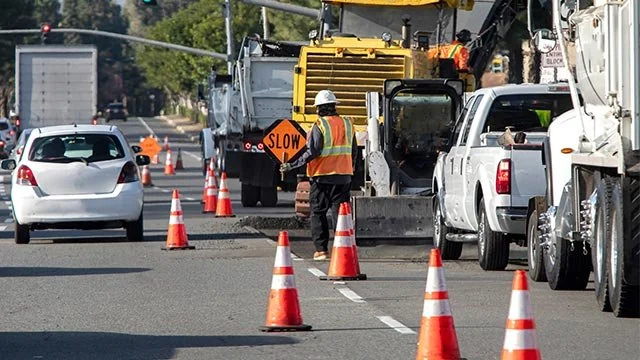
What is A Traffic Management Plan?
A Traffic Management plan, in simpler terms, is a formal document that consists of all the essential details of how pedestrian and vehicle movement should be controlled across the construction work zones. It gives details regarding strategies, signage, personnel, and procedures that will be used further to maintain a safe and efficient traffic flow for both the public and workers on the site.
More formally, it is a kind of answer to the question, “How Will Everyone Around the Construction site remain safe & Secure while the Construction Work is In Progress?”
Key Components of A TMP
An effective TMP is comprehensive. Its core components consist of:
1) Site Assessment
A complete evaluation of the current traffic conditions, volume, road width, and the proximity to schools, hospitals, or high pedestrian zones.
2) Traffic Control Measures
Identification of lane closures, reduced speed zones, and detour routes
3) Signage & Barricades
Placement of the warning signs, cones, barriers, and variable message boards in compliance with the Australian Standards.
4) Detour Planning
Alternative routes that are made for vehicles when the roads are blocked or congested
5) Risk Assessment
Identification of the potential risks and well-planned strategies to avoid or defeat them
6) Emergency Access Planning
Ensuring that the Ambulance, Fire Trucks, and the Police officials can access the work zone and the surrounding area at any given time.
Why Traffic Management Plans are Essential for Construction Sites?
Traffic Management Plans are very important for construction sites, and there are various reasons behind it. Let’s have a look at each and every reason carefully:
1) Ensuring Worker & Public Safety
One of the major reasons behind the TMP is to ensure the worker and public safety. If the workers themselves aren’t safe, no project can be done efficiently, and it's the responsibility of the company to look after them. Without a particular plan, the risk of accidents is always prevalent. Since the workers are operating along the moving vehicles, heavy machinery, and equipment, A TMP is a must.
They also reduce the risk by clearing conveying which vehicle can travel, how much heavy machinery can be used, and when it should be entered. Along with it, there’s also a check on the overall safety of the pedestrians and the workers.
Western Australia always records the largest number of road worker injuries every year, and so a thorough implementation of the Traffic Plan is one of the smart tools to avoid this happening.
2) Maintaining Smooth Traffic Flow
Let’s be honest, Nobody is interested in getting stuck in the traffic for hours just because of some poorly managed construction zones. Beyond the frustration and unnecessary congestion, there is a real economic loss that is created by delayed deliveries, increased fuel consumption, and lost productivity.
A well-made TMP focuses mainly on the issues that are created by strategically timing lane closures, coordinating deliveries during the peak hours, and providing clearly marked detour routes. The result is a smoother experience for the passers-by, reduced road rage incidents, and a construction project that doesn’t stop its neighbourhood from doing its routine work.
3) Legal & Regulatory Compliance in Perth
In WA, Traffic Management on the construction site is looked after by a clear framework of regulations. Contractors are expected to meet the requirements that are set by Main Roads, WA, relevant local councils, and the Code of Practice for Traffic Management at Work Sites. Failure to perform this necessary duty will further lead to penalties, stop orders, fines, and serious cases of personal liability for the site managers.
Any work that somehow impacts the public roads in Perth needs a proper and approved traffic management strategy before the work actually begins. It's a safeguard for the public as well as for the contractor. Any unapproved or poorly executed TMP will expose the businesses to legal liability, and there is no project budget that will fund it.
4) Improving Construction Efficiency
This is something most project managers are surprised to hear, but yes! Good traffic management not just looks after the safety and well-being of people but also helps in speeding up the construction work. When a delivery truck is aware of where it has to go and how it should be accessed, there will be less time wasted. When the machinery movements are pre-planned, workflows become more predictable. But when the traffic controllers communicate easily with the site crews, disruptions are minimised or almost ended.
A TMP is important as it functions like an operational playbook for everything that is happening at the boundary between your site and the public road network.
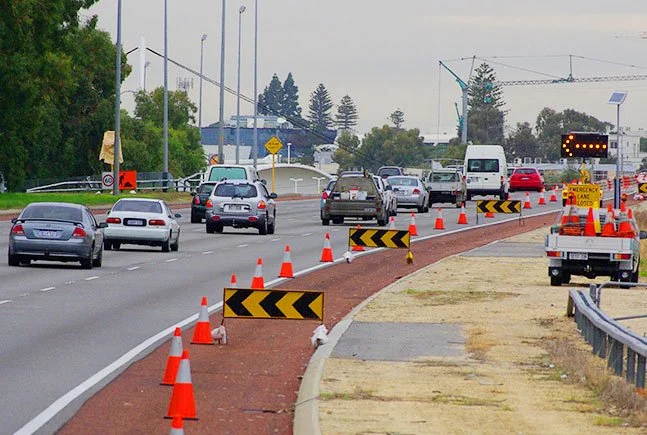
Common Risks of Poor Traffic Management on a Construction Site
Poor traffic management can not just create chaos on the road but also cause major accidents. Some of the most common risks of poor traffic management on the site are:
1) Increased Accident Risks
Without a proper TMP, the work zone automatically becomes unpredictable. Drivers face unexpected issues without any prior warning. They are also exposed to live traffic without any proper buffer. What is the result then? A huge risk of collisions, near misses, and serious injuries.
2) Traffic Congestion & Public Complaints
It is quickly noticed by the local residents when their streets become car parking lots. Public complaints can cause council intervention, media attention, and reputational damage that outlasts the project itself.
3) Project Delays & Financial Losses
Traffic incidents lead to stoppages. These stoppages further cause delays, and the delays are a direct reason for losing money. A single accident can lead to days of investigations on the site, leading to a delay in the project.
4) Damage to the Company’s Reputation
In the competitive construction market of Perth, reputation is everything. A company that has a history of creating chaos or causing disruptions won’t be considered by any client. Therefore, it’s important to look after the TMP not just for the well-being of people involved, but for the company’s reputation as well.
The Future of Traffic Management in Perth Company
The industry is growing rapidly. Smart traffic control services now use real-time sensors and data to adjust signal timing and lane configuration around the work zones. Digital variable messages give a sign of update, showing the reflection of changing conditions. Drone-based site monitoring is the initial step that gives a view of large-scale traffic management operations from high above.
As Perth continues to grow, and infrastructure investment is increasing, the focus towards the safety and sustainability in Traffic Management will only increase. Contractors who have invested their time in forward-thinking, technology-supported traffic management solutions will be better positioned to win the contracts tomorrow.
Conclusion
A Traffic Management Plan is not a formality; it is a fundamental component of responsible, professional construction practice in Perth. It protects workers from harm, keeps the public safe, ensures legal compliance with Main Roads WA and local council requirements, and keeps your project on schedule and on budget.
The risks of operating without one, or with a poorly designed one, are simply too great. From accidents and legal penalties to reputational damage and project delays, the consequences of inadequate traffic management can be severe and long-lasting.
Investing in professional traffic management services from an experienced, accredited provider is one of the smartest decisions any Perth construction business can make. It's not just about following the rules. It's about demonstrating that your company takes safety seriously, and that's a reputation worth building.
Frequently Asked Questions
1) What is included in a traffic management plan?
A TMP includes a site assessment, traffic control measures, signage and barricade layouts, detour planning, risk assessments, and emergency vehicle access provisions. It is tailored to the specific conditions of each work zone.
2) Are traffic management plans mandatory for construction sites in Perth?
Yes. Any construction work that impacts public roads in Western Australia requires an approved traffic management strategy. This is governed by Main Roads WA and relevant local council regulations.
3) Who approves traffic management plans in Western Australia?
Approval is typically required from Main Roads WA and/or the relevant local council, depending on the road classification and nature of the work. Professional traffic management companies can assist with the submission and approval process.
4) How do traffic management plans improve safety?
By clearly defining vehicle and pedestrian movement, positioning qualified traffic controllers, establishing appropriate signage and barriers, and planning for emergencies, TMPs dramatically reduce the likelihood of accidents and injuries in and around work zones.
5) Can small construction projects also require traffic management plans?
Yes. Even relatively minor works, such as footpath repairs or utility connections, that impact traffic or pedestrian flow on public roads may require a TMP. It's always best to consult with a professional or the relevant authority to confirm requirements before work begins.