

Roadside utility works are essential to maintaining and improving infrastructure across Western Australia. Activities such as water pipeline repairs, electrical upgrades, telecommunications installations and drainage maintenance often take place close to public roads. While these projects are necessary, they can create challenges for motorists, pedestrians, workers and nearby businesses.
Managing traffic around these work areas requires proper preparation, suitable traffic control measures and clear communication. Without an organised approach, even a small roadside project can cause congestion, confusion and unnecessary safety risks.
For contractors and project managers, understanding how to manage traffic during utility works can help keep projects organised while reducing disruption to the surrounding community.
Why Do Roadside Utility Works Need Traffic Management?
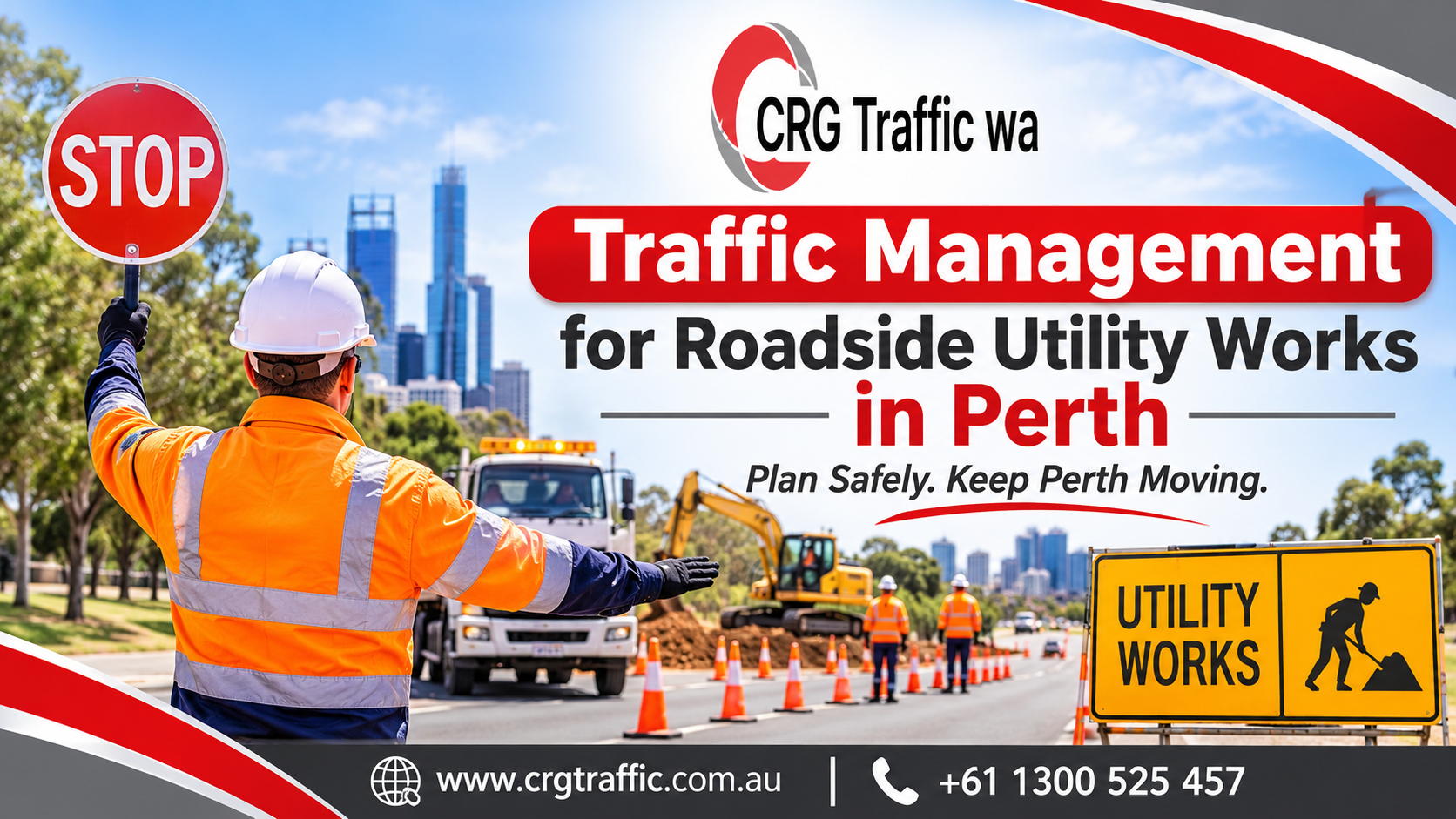
Utility maintenance and installation work frequently involves excavation, heavy equipment, service vehicles and workers operating near moving traffic. These activities can reduce available road space and change the normal movement of vehicles.
For example, repairing an underground water pipe may require part of a traffic lane to be closed. Installing telecommunications infrastructure along a footpath may require pedestrians to use an alternative accessible route.
These changes need to be managed carefully to prevent conflicts between road users and construction activities.
Effective traffic management helps establish clear movement arrangements, identify potential hazards and provide road users with enough information to navigate the work area safely.
Common Traffic Challenges During Utility Projects
Every roadside project has different conditions. However, several challenges frequently affect traffic arrangements during utility work.
Temporary Lane Closures
Utility repairs sometimes require workers and machinery to occupy part of the roadway. This can reduce available lane space and affect traffic movement, particularly during busy periods.
Suitable traffic arrangements may include temporary signage, lane restrictions, traffic controllers and alternative vehicle movements, depending on the site conditions and applicable requirements.
Pedestrian Access Restrictions
Footpaths may need to be temporarily closed during excavation or equipment installation. Pedestrians should be provided with a safe, clearly identified alternative route.
Extra consideration may be necessary for people with mobility requirements, parents with prams and pedestrians with limited visibility.
Heavy Equipment Movement
Excavators, service trucks and other machinery may need to enter or leave the worksite throughout the day. These movements can create additional risks when vehicles share space with public traffic.
Planning vehicle entry and exit points can help reduce conflicts and improve worksite organisation.
Traffic Congestion Near Work Zones
Roadside utility projects can affect traffic flow, especially on busy urban roads and near intersections. Poorly planned lane closures or unclear signage may create unexpected delays.
Understanding traffic volumes and choosing suitable work arrangements can help reduce unnecessary disruption.
How Can Contractors Improve Traffic Safety During Utility Works?
Good traffic management starts before workers and equipment arrive at the site. Contractors should consider the surrounding road environment, the nature of the work and the people who may be affected.
Assess the Worksite Before Starting
A site assessment helps identify potential hazards and understand how the proposed work will affect surrounding traffic.
Important considerations include road width, speed limits, traffic volumes, nearby intersections, pedestrian access and the location of underground services.
The assessment should also consider nearby driveways, public transport stops and access requirements for emergency vehicles.
Prepare a Suitable Traffic Management Plan
A site-specific Traffic Management Plan helps explain how traffic and pedestrian movements will be managed during the project.
Depending on the work, the plan may address temporary lane closures, traffic control devices, pedestrian diversions, speed management and access arrangements.
The plan should reflect actual site conditions and applicable Main Roads WA and road authority requirements.
Where approval or authorisation is required, contractors should arrange the appropriate review before implementing the proposed traffic arrangements.
Use Appropriate Traffic Control Equipment
Traffic control equipment helps communicate changes to road users and establish boundaries around construction activities.
Depending on the project, equipment may include:
Temporary roadwork signs.
Traffic cones and barriers.
Portable traffic signals where appropriate.
Pedestrian diversion signage.
Temporary speed restriction signs.
Warning devices and other approved traffic control equipment.
Equipment should be suitable for the location and installed according to the applicable traffic management requirements.
Maintain Clear Communication
Communication is an important part of managing roadside projects. Workers, supervisors, traffic controllers and contractors should understand their responsibilities and know how traffic arrangements will operate.
Road users should also receive clear information about temporary changes, particularly where lane closures or pedestrian diversions may affect their usual routes.
Why Is Traffic Management Planning Important for Perth Projects?
Perth has a combination of busy urban roads, suburban streets, industrial areas and regional transport routes. Utility works can take place in any of these environments, and each location presents different traffic challenges.
A telecommunications installation on a quiet suburban street may require different arrangements from water infrastructure repairs near a busy intersection.
Project managers should consider when the work will take place, how much road space is needed and whether nearby businesses or residents will experience access changes.
Planning these details early can help contractors coordinate their activities more effectively.
It is also important to review traffic arrangements when worksite conditions change. Unexpected excavation requirements, additional machinery or changes in project duration may require adjustments to the original arrangements.
How CRG Traffic Management Can Support Roadside Projects
CRG Traffic Management is a Perth-based provider offering traffic management planning and implementation services across Western Australia.
The company focuses on safety, practical traffic arrangements and reducing unnecessary disruption during work activities.
For contractors undertaking roadside utility work, discussing traffic management requirements with an experienced provider can help identify the planning and traffic control support needed for the project.
Services may involve site assessments, traffic management planning, traffic control arrangements and support for construction activities.
Each project should be assessed individually to determine the appropriate traffic management measures and any relevant approval requirements.
Make Traffic Safety Part of Every Utility Project
Roadside utility works are essential for maintaining the infrastructure that communities rely on. However, keeping these projects safe requires more than completing the repair or installation itself.
Contractors need to consider how their activities affect motorists, pedestrians, workers and nearby businesses. Suitable planning, clear signage, organised vehicle movements and regular site checks all contribute to safer working conditions.
If you are planning utility maintenance, electrical upgrades, telecommunications installations or other roadside construction activities in Perth, CRG Traffic Management can be contacted to discuss your traffic management requirements.
A well-organised worksite helps protect people, maintain access and keep essential infrastructure projects moving.