

Construction projects do not always follow a standard working day. Road upgrades, infrastructure developments, utility work and major construction activities can continue through the evening, overnight and early morning. During these periods, traffic conditions change, work areas move and different access requirements can arise. This is why 24/7 traffic management in Perth is an important consideration for projects that operate across multiple shifts or need traffic arrangements outside normal business hours.
But does every project need traffic control around the clock? Not necessarily. The right approach depends on the type of work, its location, the surrounding road network and the level of traffic activity. Understanding these requirements early can help project managers organise safer and more practical working conditions.
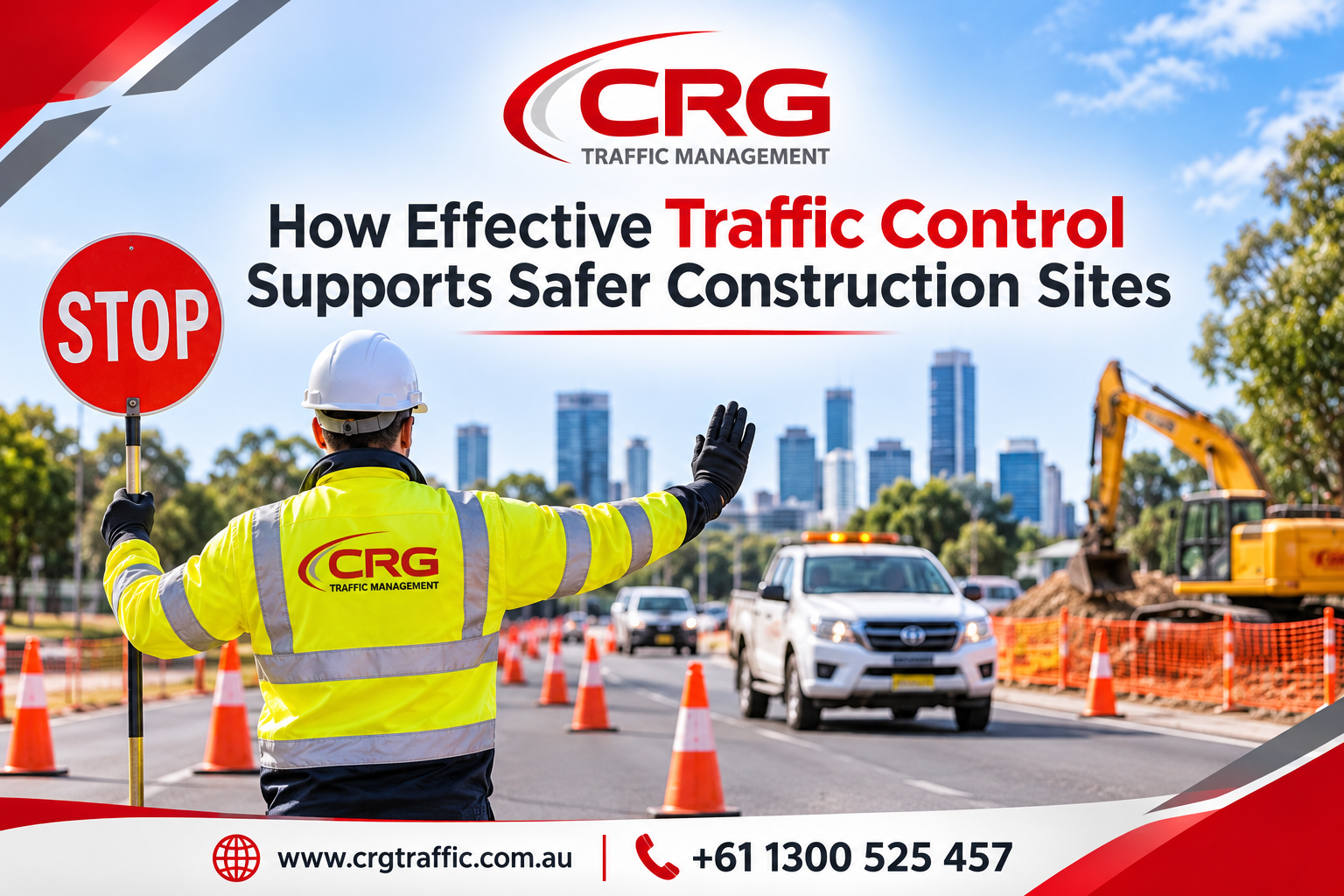
Why Do Long-Duration Projects Need Ongoing Traffic Management?
A construction project may continue for several weeks or months, but its traffic arrangements should not remain unchanged throughout that period.
During the early stages, workers may need space for excavation equipment and material deliveries. Later, the project might involve road resurfacing, installation work or changes to site access. Each stage can affect how vehicles and pedestrians move around the work area.
Without regular checks, signs, barriers and access arrangements may no longer match the actual site conditions.
Ongoing traffic management helps project teams consider these changes and make suitable adjustments when required. It also helps keep drivers informed about temporary road conditions and provides clearer directions around active work zones.
When Is 24/7 Traffic Management Required?
Not every construction project needs continuous traffic control. Some jobs only require traffic management during specific working hours, while others may need support across several shifts.
Here are some situations where extended or round-the-clock traffic management may be worth considering.
Major Road and Infrastructure Projects
Large infrastructure projects can involve several work areas, changing road layouts and heavy construction vehicle movements. Work may continue during the day and night to manage project schedules or reduce disruption during busy traffic periods.
These projects need traffic arrangements that reflect the activities taking place at each stage.
Overnight Roadworks
Road maintenance and repair work may take place at night when traffic volumes are lower. However, reduced traffic does not mean reduced safety requirements.
Road signs, cones, barriers and temporary traffic arrangements need to remain visible and understandable after dark. Workers must also be able to move around the worksite without creating unnecessary risks for passing motorists.
Utility and Emergency Works
Water, electricity and telecommunications repairs may require work near public roads. Some activities need to begin quickly because of unexpected damage or service interruptions.
Depending on the location and work involved, suitable traffic arrangements may be needed to manage road access, protect workers and help emergency vehicles reach the area.
Projects With Multiple Work Shifts
Some construction sites operate through morning, afternoon and overnight shifts. When different teams use the same work area, traffic arrangements need to remain clear during handovers.
Changes to equipment locations, delivery schedules or access points should be communicated so that the next shift understands the current site setup.
How Should Traffic Management Change Between Day and Night?
One of the biggest challenges of extended construction work is that road conditions are not the same throughout the day.
During daylight hours, drivers may have better visibility, but traffic volumes can be higher. School traffic, public transport, commercial deliveries and commuter movements may all affect the work area.
At night, there may be fewer vehicles, but visibility becomes a more important concern. Poor lighting, glare from vehicle headlights and reduced awareness of temporary road changes can make work zones harder to navigate.
A suitable traffic management approach should consider:
Clear and visible temporary road signs.
Appropriate lighting for the work area.
Safe pedestrian routes around construction activities.
Suitable vehicle entry and exit arrangements.
Clear communication between incoming and outgoing crews.
Regular checks of barriers, cones and traffic control equipment.
The aim is to make the work area understandable for everyone, regardless of when construction takes place.
What Happens When Construction Conditions Change?
Imagine a road upgrade project that begins with one lane closure. A few weeks later, the construction team moved to another section of the road. The original site entrance is no longer suitable, delivery vehicles need a different route and pedestrian access must be adjusted.
If the traffic arrangements are not reviewed, drivers may follow outdated directions and workers may face unnecessary access problems.
This is why traffic management should be treated as an ongoing part of project coordination rather than a one-time setup.
Site inspections, communication between project teams and reviews of changing work activities can help identify when traffic arrangements need attention.
In Western Australia, traffic management for roadworks must also take account of the applicable Main Roads WA requirements and relevant traffic management guidance.
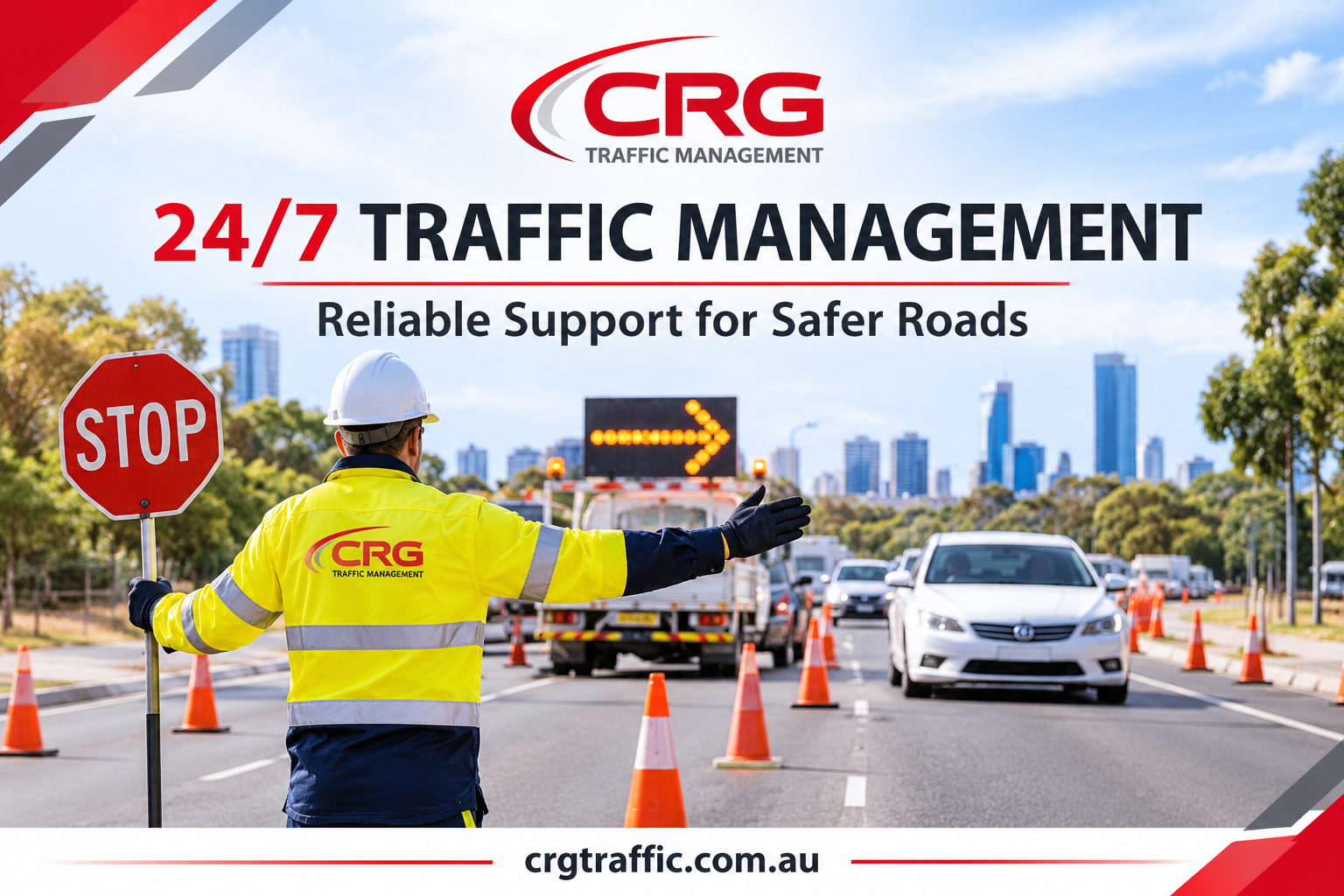
What Should You Check Before Choosing a Traffic Management Provider?
Finding the right provider is an important step when planning a project that may operate beyond standard working hours.
Before making a decision, consider these questions:
Does the provider understand your project?
A residential road repair, major infrastructure upgrade and utility installation all have different traffic requirements. Discuss the work location, project duration and expected activities.
Can they assist with traffic management planning?
Ask how the provider approaches site assessments, traffic management plans and changing worksite conditions.
How will night work be managed?
Discuss signage visibility, lighting, worker access and arrangements for pedestrians and vehicles during overnight activities.
How are changes communicated?
For projects with multiple shifts, it is important to understand how updates to access points, work areas and traffic arrangements will be shared.
Can the proposed arrangements meet project requirements?
Confirm the required services, personnel, equipment and approvals before work begins. Requirements can vary depending on the road, project and relevant authority.
How CRG Traffic Management Supports Projects Across Western Australia
CRG Traffic Management provides traffic management services across Perth and regional Western Australia. The company works with clients on traffic management planning and practical traffic control arrangements for different types of projects.
Whether you are organising construction work, road maintenance or activities that affect public traffic, proper planning can make a difference to how the worksite operates.
Every project has its own requirements. The location, work schedule, traffic conditions and surrounding pedestrian activity all need to be considered before deciding what level of traffic management support is appropriate.
If your project involves extended working hours or changing traffic conditions, discuss the requirements with CRG Traffic Management before work starts.
Explore CRG Traffic Management services to learn more about the company's traffic management support.
Frequently Asked Questions
Does every construction project need 24/7 traffic management?
No. The required arrangements depend on the working hours, site location, traffic conditions and project risks. Some projects need continuous support, while others only require traffic management during specific activities.
Is traffic management necessary for overnight roadworks?
Yes, appropriate traffic management arrangements are important for overnight roadworks. Visibility, temporary signage, worker safety and road-user access should all be considered.
Can traffic management arrangements change during a project?
Yes. Traffic arrangements may need to be reviewed when work areas, road layouts, access points or construction activities change.
How early should I organise traffic management for a project?
It is best to consider traffic management during the planning stage. Early discussions can help identify site requirements, possible disruptions and the support needed before construction begins.
Plan Your Project With the Right Traffic Management Support
Long-duration construction projects need more than a traffic setup that works on the first day. They need arrangements that can respond to changing work areas, different shifts and the needs of road users.
By considering traffic management early, reviewing site conditions and maintaining clear communication, project teams can make better decisions throughout the construction process.
For projects in Perth and across Western Australia, CRG Traffic Management can help you discuss suitable traffic management arrangements for your worksite.