

Imagine you had spent months working hard, planning for something special, and just because of a few silly mistakes, you completely spoiled it. How would you feel? Something similar happens when you aren’t careful about the consequences that can occur because of your carelessness. Similarly, when you don’t choose the right traffic management company for your event, it turns into a nightmare for you.
Crowded streets! Frustrated attendees! People are unable to find parking spaces, and alot more chaos. What was supposed to be an event in Perth becomes a complete disaster from the very next moment, and the entire blame falls on the organiser.
The uncomfortable truth? Most of the event traffic failures aren’t because of bad luck; they are due to avoidable mistakes that could have been worked on before the event started. To understand the common mistakes that can actually run your special event, read this detailed blog and find answers to all your questions.
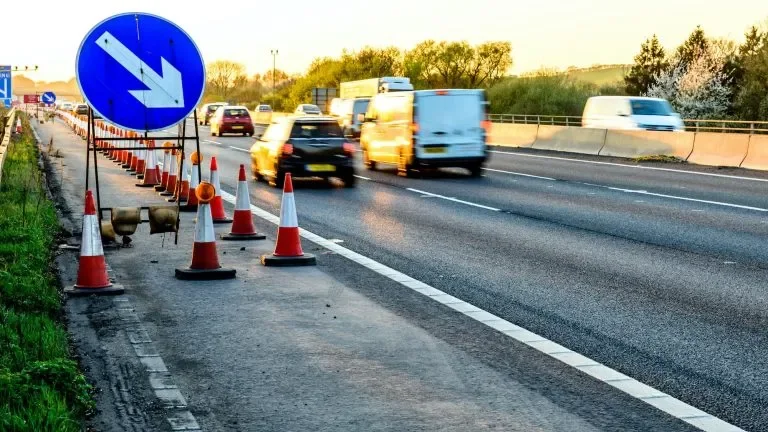
Mistake #1: Leaving Traffic Planning to the Last Minute
If traffic management is just an afterthought on your list, then you’re already lagging behind the times. One of the most damaging mistakes that any event organiser in Perth can make is to consider last-minute traffic planning. This isn’t something you can manage at the last minute; it is something you should start working on weeks, even months, before your event.
A Professional Traffic Management Plan (TMP) requires time to develop properly. It needs to account for the event location, expect the overall crowd volume, the surrounding road network, proximity to public transport, parking availability, and the local council requirements. Submitting a TMP to Main Roads WA or the relevant local authority also involves approval lead times that can’t be rushed.
How to Avoid It?
Engage a traffic management company as early as possible in your event planning process, ideally at the same time when your venue is confirmed. Early engagement will allow time for a proper site assessment, council liaison, TMP development, and equipment booking, all without any kind of stress of a ticking clock.
Mistake #2: Underestimating Crowds' Numbers (and Their Vehicles)
There’s a kind of temptation to base traffic planning on your realistic attendance estimate rather than your maximum capacity. It's an easy mistake; who wants to over-budget your scenario that might not happen? But when your event attracts more people than expected, the underprepared traffic infrastructure buckles up faster.
Even smaller miscalculations can actually have worse effects. If your parking areas fill up and you haven’t designated overflow options, cars spill onto surrounding streets. Without the traffic controllers in place to manage that overflow, you get dangerous congestion that delays arrivals, blocks exist, and creates real safety hazards.
How to Avoid It?
Always plan for your maximum capacity, not your expected number. Work with your traffic management team to model the vehicle arrival and departure rates across the event duration. Factor in public transport access, rideshare drop-off zones, and pedestrian flow, and not just the private vehicles. A well-designed TMP accounts for peak traffic periods before, during, and after the event.
Mistake #3: Failing to Coordinate with Local Authorities
Some of the event organisers assume that as long as their event is on a private property, whatever happens on the surrounding roads is someone else’s responsibility. This kind of misunderstanding can lead to serious compliance issues, and in the worst-case scenario, events can be shut down entirely.
In Perth, events that generate a significant traffic impact on public roads typically require approvals from Main Roads WA and the relevant local government. Without this, your traffic controllers may not have the legal authority to direct traffic on public roads, leaving you exposed to liability and potential fines.
How to Avoid It?
Work with a traffic management company that completely understands the WA regulatory landscape and has existing relationships with the local councils and Main Roads WA. They will manage the approval process on your behalf, ensuring that your TMP is compliant, submitted on time, and properly endorsed before your event goes ahead.
Mistake #4: No Planning for Emergency Vehicle Access
This is the kind of mistake that can turn any inconvenience into a tragedy. When the emergency vehicles, such as ambulances, fire extinguishers, and police,e cannot navigate through your event site due to blocked roads, parked cars, or absent traffic controllers, the consequences can be really severe. This happens more often than people could ever think.
A medical incident at a large outdoor event, combined with the gridlocked access routes, can be the difference between a quick response and a delayed one. Emergency services require clear, designated corridors with access that are actively managed throughout the events.
How to Avoid It?
Your traffic management plan must include a clearly defined emergency access route that is kept completely clear at all times. Traffic control personnel should be briefed on the emergency protocols and positioned to facilitate rapid access when required. This isn’t just the best practice; in many cases, this is the condition of your event permit.
Mistake #5: Relying on Volunteers or Untrained Staff for Traffic Control
Even though it's a pretty affordable option to hire untrained staff for the management of traffic, it's not only risky but can also cost you legal penalties. When things go wrong, it is much harder than it looks. Untrained personnel lack the knowledge to manage complex traffic flows, respond to incidents, or apply safe work procedures. They’re also not legally authorised to direct the traffic on the busy public roads. If any accident occurs while an untrained person is directing vehicles, even on a private road, the implications for your organisation can be pretty serious and severe.
How to Avoid It?
Always make sure to hire certified and experienced personnel for your event. In WA, traffic controllers working on or near public roads must hold a valid Traffic Controller Card issued in accordance with the relevant training standards. A reputable Traffic Management Company will provide a fully trained and qualified staff, appropriate signage, and the right equipment for your event’s specific needs.
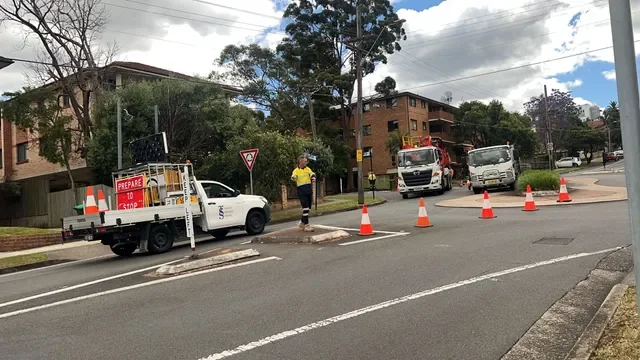
Conclusion: Great Things Start with Great Traffic Planning
Traffic management might not be the glamorous side of event planning, but it's also very critical. Get it right, and your attendees will arrive smoothly, enjoy the event, and leave without any complaints. Get it wrong once, and a single congested car park or blocked access road can overshadow almost every effort you have put in.
The five mistakes mentioned above are common, but they can easily be prevented. With early planning, accurate crowd modelling, proper authority coordination, emergency access provisions, and certified traffic control personnel on the ground, your Perth event can run as smoothly on the outside as it runs inside.
At CRG Traffic Management, we specialise in event traffic management across Perth and Western Australia. From intimate community gatherings to large-scale festivals, our certified team handles each and every element of your traffic plan, so you can easily focus on your event and attendees entirely.
Get in touch with our team today to discuss your upcoming event and find out how we can help you with your project.